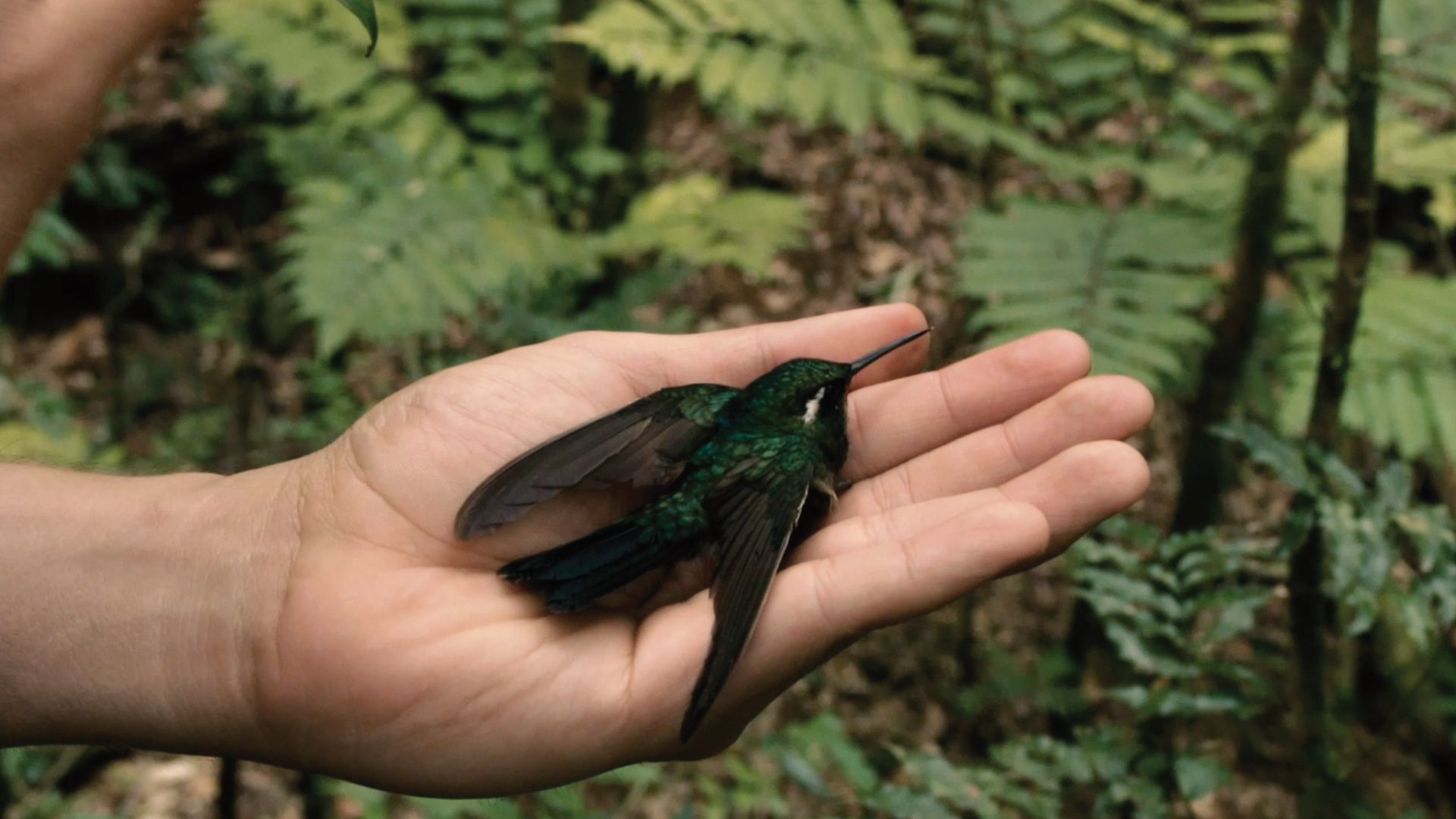
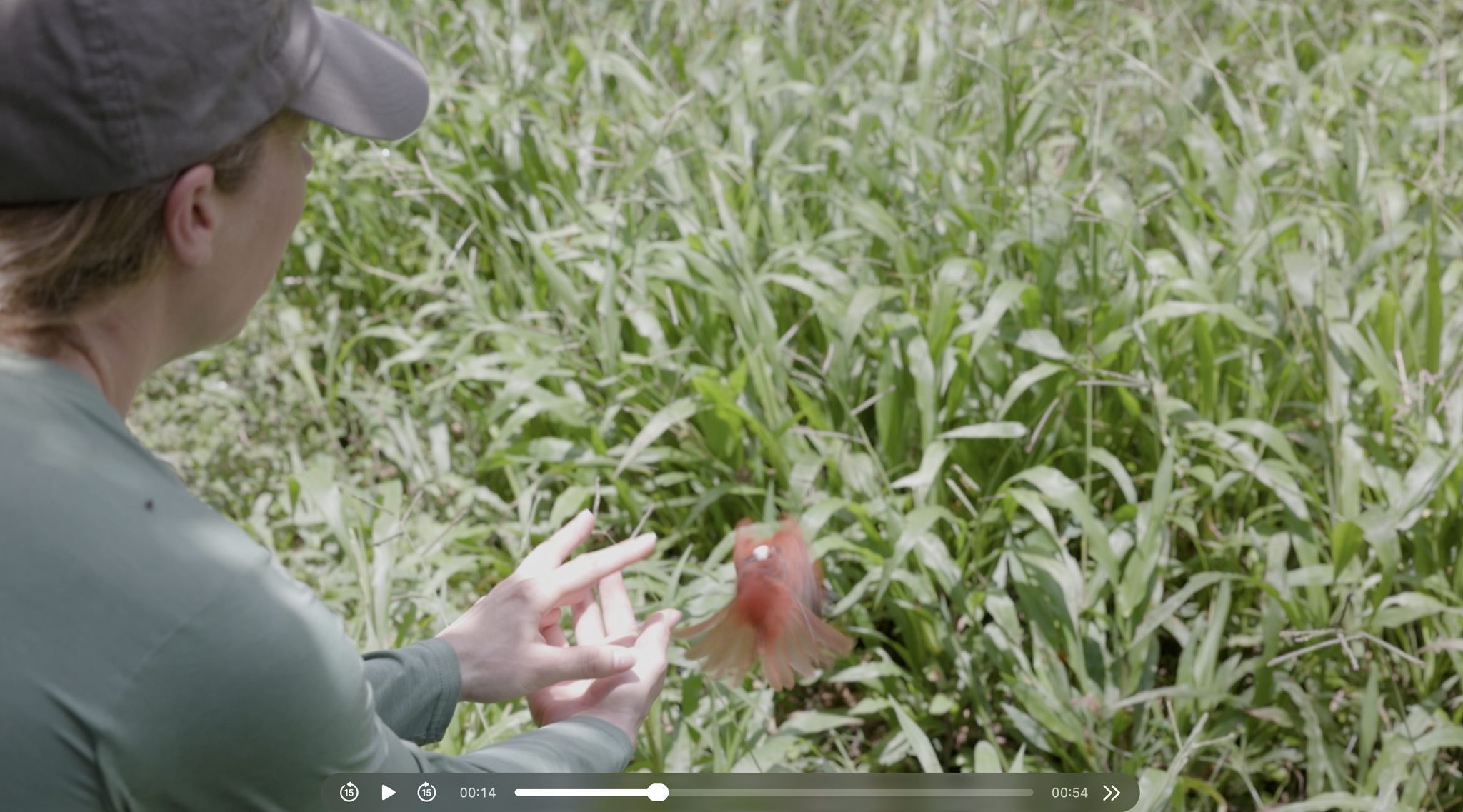
Hand holding a hummingbird in the tropical forest

Human Connection
and Resilience

In times of uncertainty, resilience is often hidden in isolation, and manifests through the strength of our connections. Behind every project are researchers and communities adapting to the unpredictable, rebuilding after setbacks, and persisting through changing environments and conditions. This editorial presents an exclusive section of the Adrienne Arsht Community-Based Resilience Solutions Initiative. The content in this edition reflects on how resilience in science is sustained by individual determination, networks of trust, collaboration, and connection—reminding us that progress is deeply intertwined with how we care for and learn from one another.

Adrienne Arsht Community-Based Resilience Solutions Initiative
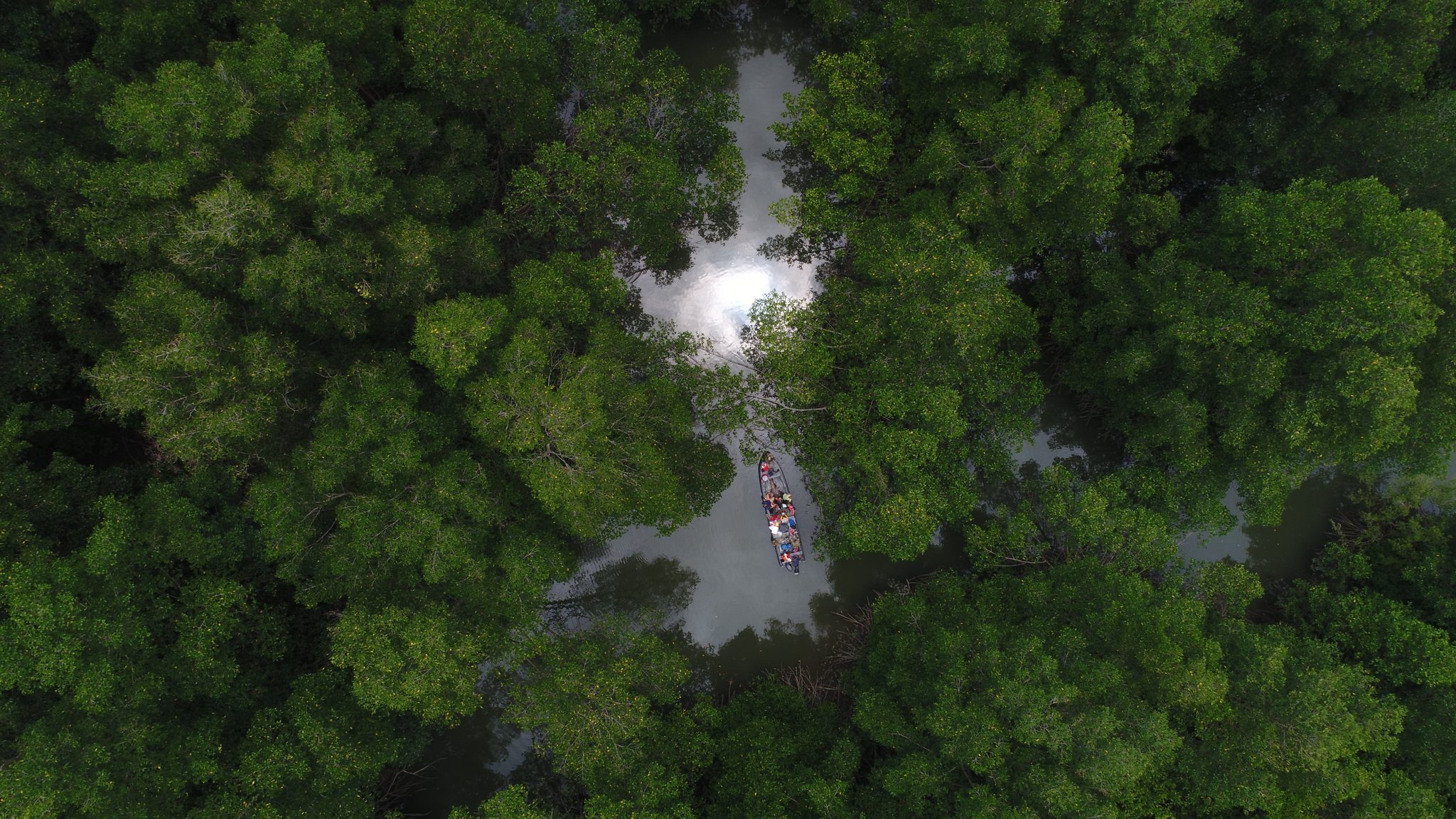
Aerial view of mangroves with a boat

FEATURED COLUMN

What is Resilience?

A Lifeline in an Unpredictable World

Photo: Milton García

In the face of environmental shifts, social challenges, and rapid technological change, resilience—the ability to bounce back from adverse circumstances—is our superpower.

Resilience allows us not only to survive but also to grow stronger, wiser, and more united through adversity. Whether we're talking about ecosystems, communities, or individuals, resilience is the golden thread that weaves together our capacity to adapt.

Ecological resilience is our planet's ability to recover from disaster. Forests that flourish after wildfires, coral reefs that regenerate after bleaching, and wetlands that absorb floodwaters are powerful reminders of nature's ability to heal. While unsustainable activities have strained many ecosystems, hope lies in our ability to restore them by paying attention to nature and learning from it.

Scientific researchers are leading the way, studying biodiversity and ecological dynamics to guide conservation efforts. Their work fuels global initiatives like the UN Decade on Ecosystem Restoration, helping us build a future where nature can thrive alongside humanity and to our mutual benefit.

Social resilience is equally vital. Communities that collaborate, share resources, and support one another are better prepared to face challenges—from natural disasters to economic shifts. Researchers can work alongside local communities, learn from them, and help strengthen the bonds that hold society together.

At the heart of resilience lies the human capacity to adapt and innovate—whether through individual strength, sustainable interactions with nature, technology, or ancestral wisdom. People around the world use creativity and perseverance to thrive in a changing world. Science and technology can help support these actions and build resilience by offering insights about the social and ecological drivers of change, the strategies used by people and nature to adapt to it, and the tools to apply these insights to emerging technologies and resilient solutions.

Creating a resilient world also means embracing diverse knowledge systems. Indigenous and local communities in places like Bocas del Toro, in western Panama, where I visited earlier in 2025, hold generations of wisdom about sustainable living in harmony with nature. Integrating these insights into scientific research enriches our understanding and opens the door for co-creating actionable solutions that honor traditional practices.

Ultimately, resilience is about more than bouncing back—it's about bouncing forward. It's the key to sustainable progress, development, and a thriving global community. As individuals, we can cultivate resilience through learning, connection, and compassion. As societies, we can embed it in our systems and institutions. And as a global community, we can champion resilience as the path to a brighter, more hopeful future.

From forests to coffee landscapes, coastlines to communities, the stories in this issue remind us that resilience is not just a response to adversity—it is a practice of connection, collaboration, and innovation.

Adrienne Arsht Community-Based Resilience Solutions Initiative
Video thumbnail: Adrienne Arsht resilience initiative

Building Resilience
in a Changing World

A Smithsonian-wide initiative connects science, culture, art and history, to understand how communities and biodiversity cope with and respond to the effects of global change.

What does it mean to be resilient in today's world? From rising sea levels to shifting weather patterns, communities and ecosystems worldwide encounter new challenges. Resilience—the ability to adapt, recover, and thrive in the face of change—isn't just a buzzword. It's a necessity.

At the Smithsonian, the Adrienne Arsht Community-Based Resilience Solutions Initiative is a program that brings together experts from different disciplines and communities to understand and strengthen resilience, especially in tropical regions where both biodiversity and vulnerability are high.

Launched in 2023 with a generous gift from philanthropist Adrienne Arsht, the Initiative is based at the Smithsonian Tropical Research Institute (STRI) in Panama—the only Smithsonian unit outside the U.S. and a global leader in tropical science. This location is no coincidence. Tropical regions hold the richest ecosystems on Earth and are home to communities that have long adapted to environmental shifts. They are also on the frontlines of today's most pressing challenges.

Ana Spalding, a marine policy expert and the Initiative's director, emphasizes that resilience is about understanding the forces that drive change and finding ways to respond that are rooted in both science and lived experience. "Resilience is understanding social and ecological drivers of change, the strategies to react, and how we adapt," she explains.

But resilience varies when viewed from different perspectives. For some, it's about protecting coastlines and fisheries and ensuring access to clean water. For others, it's about preserving cultural traditions. That's why the Initiative puts community voices and local knowledge at the center, recognizing that solutions must be as diverse as the people and places they serve.

"Our lived experiences and connections to our environment create a colorful, mosaic-like portrait of what it means to react, respond, and adapt to change," Spalding adds.

The Initiative also builds capacity, training the next generation of science leaders, forging partnerships across disciplines, and creating a global network of resilience champions. Successful and sustainable conservation can only happen with scientific empowerment and collaboration.

"Everyone wants to take action, but they don't necessarily have the evidence to support it," says STRI Director Joshua Tewksbury. That's where the Smithsonian's unique strengths come in—combining rigorous research with storytelling, education, and policy engagement to turn knowledge into action. By participating in global convenings and sharing scientific findings, the Initiative can support effective solutions to protect and manage natural resources and ecosystems for the benefit of everyone.

It is also part of a broader Smithsonian vision called Life on a Sustainable Planet, which focuses on how people and nature can adapt together. With support from Smithsonian units such as the National Museum of Natural History, the Office of Digital Transformation, and the Smithsonian Science Education Center, the Initiative has focused on four pillars, building resilience research, training the next generation of use-inspired science leaders, engaging the public, and delivering real-world solutions.

In a world that's constantly shifting, resilience isn't just a concept—it's a shared journey, and through it, the Smithsonian is helping chart a path forward, one rooted in collaboration, creativity, and hope.

Adrienne Arsht Community-Based Resilience Solutions Initiative
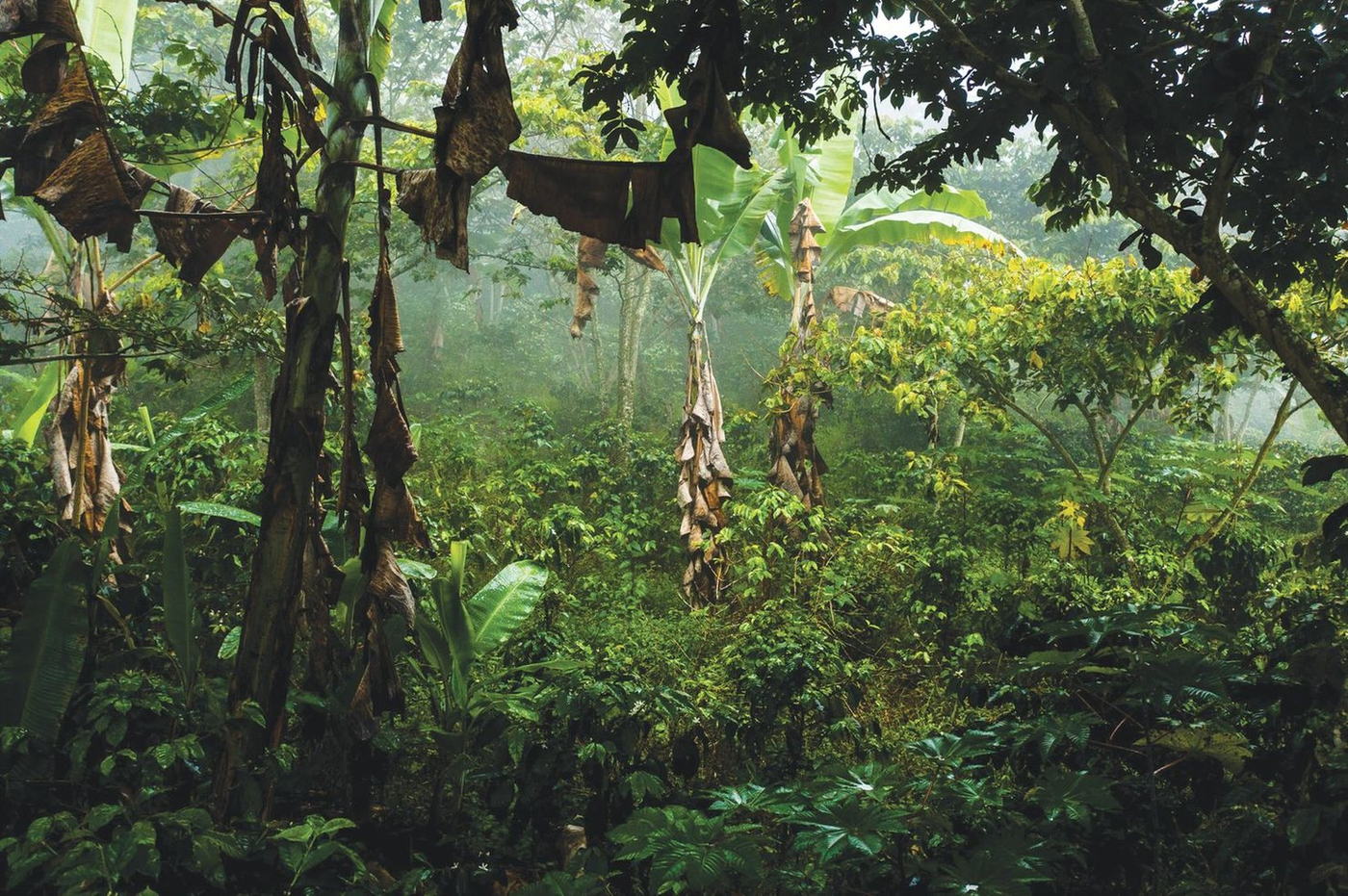
Shade-grown coffee plantation

Coffee, Cocoa and Conservation

In Latin America, Smithsonian's Bird Friendly® program connects with coffee and cocoa farmers, promoting sustainable, science-based agricultural practices that protect natural habitats for birds and other wildlife.

There's nothing like enjoying a good cup of coffee or a delicious chocolate. But where does that coffee or cocoa come from, and what does it take to produce it? The regions of the world where most coffee and cocoa are grown are home to tropical forests, where temperatures and humidity remain relatively stable. It is no coincidence that they are also the regions where we find the greatest diversity of plants, birds and other organisms.

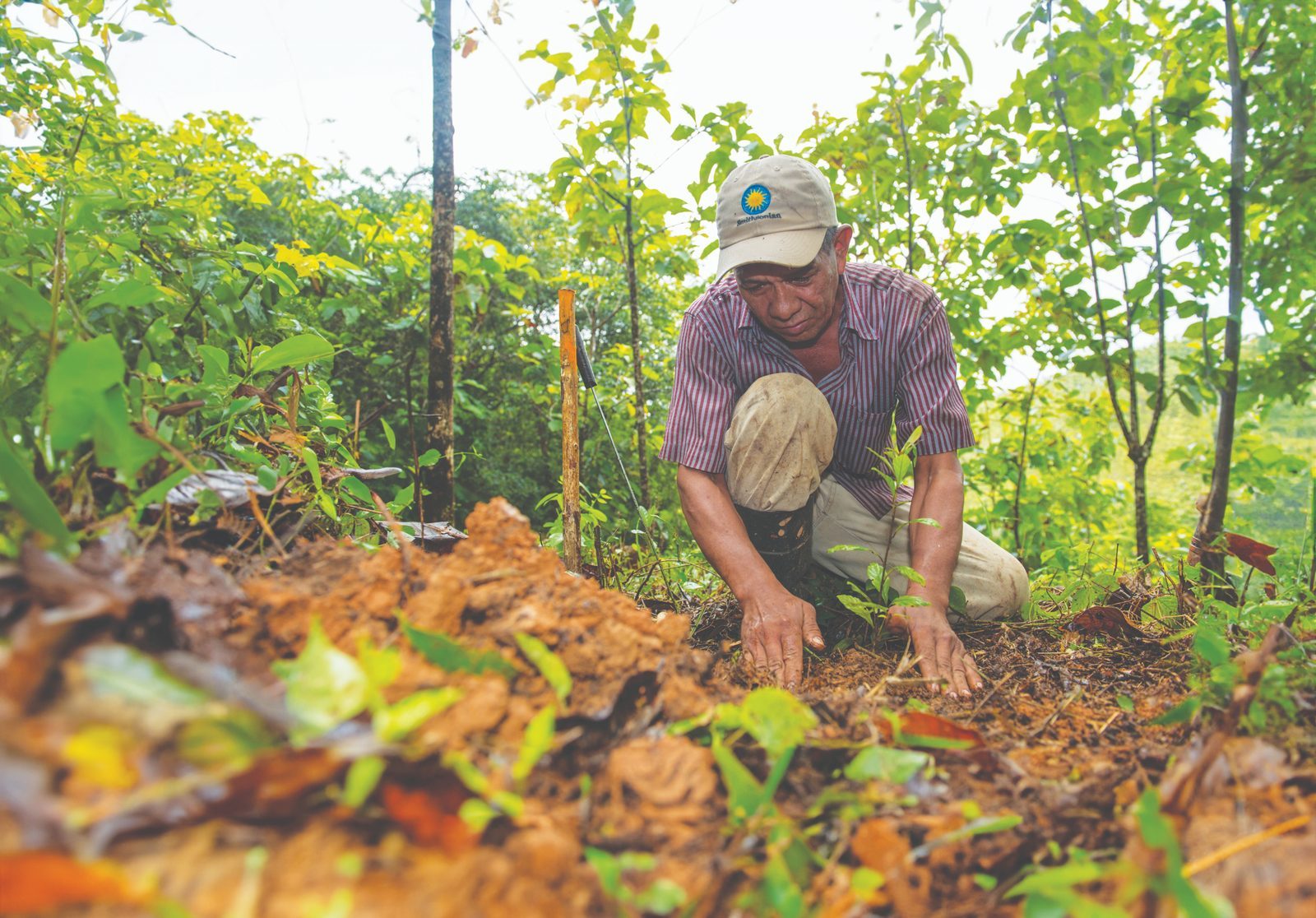
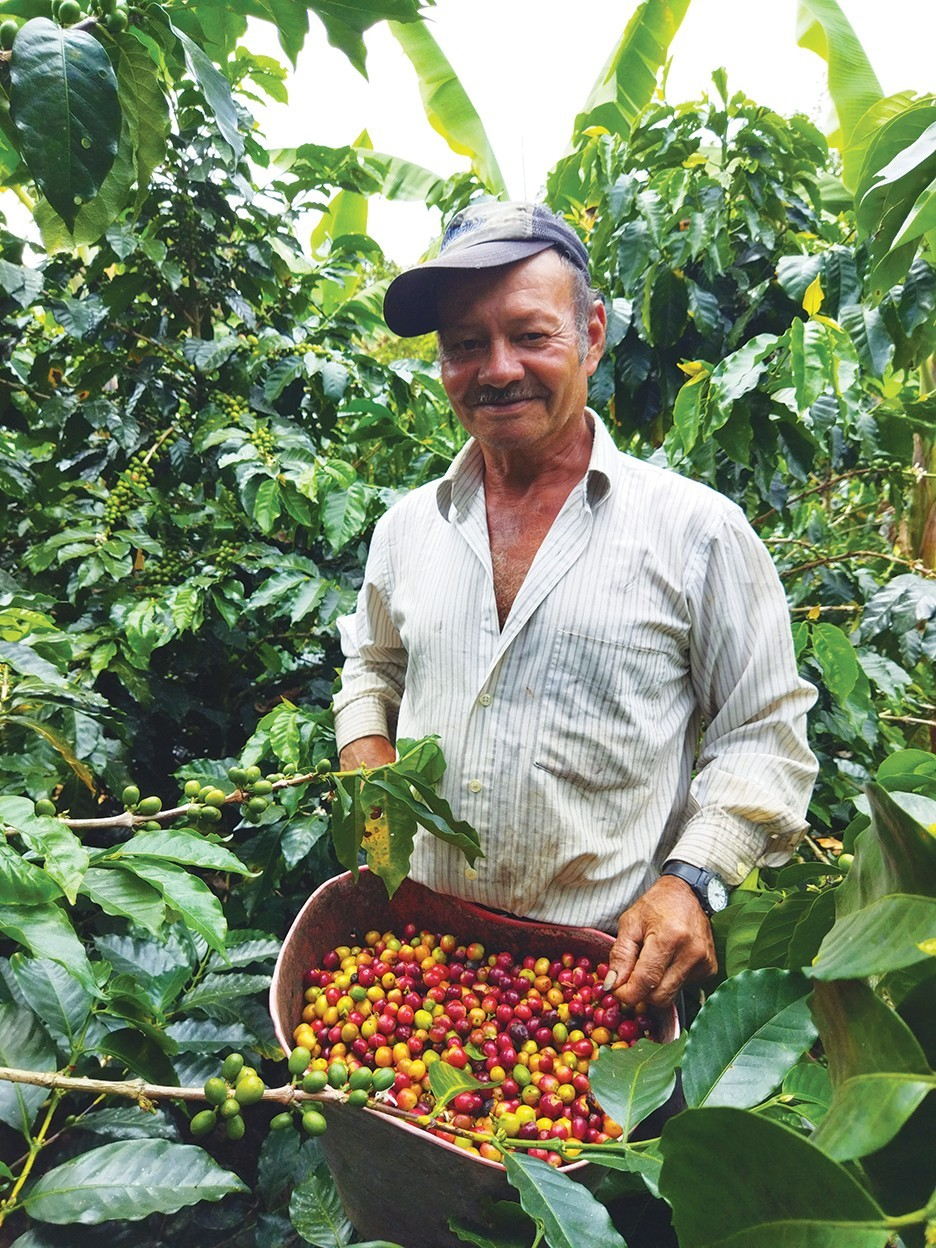
In the Sierra Nevada de Santa Marta in Colombia and Villa Rica in Peru, many members of Indigenous communities continue growing coffee and cocoa using traditional, environmentally friendly methods, such as planting both crops under the shade of native trees and farming organically.

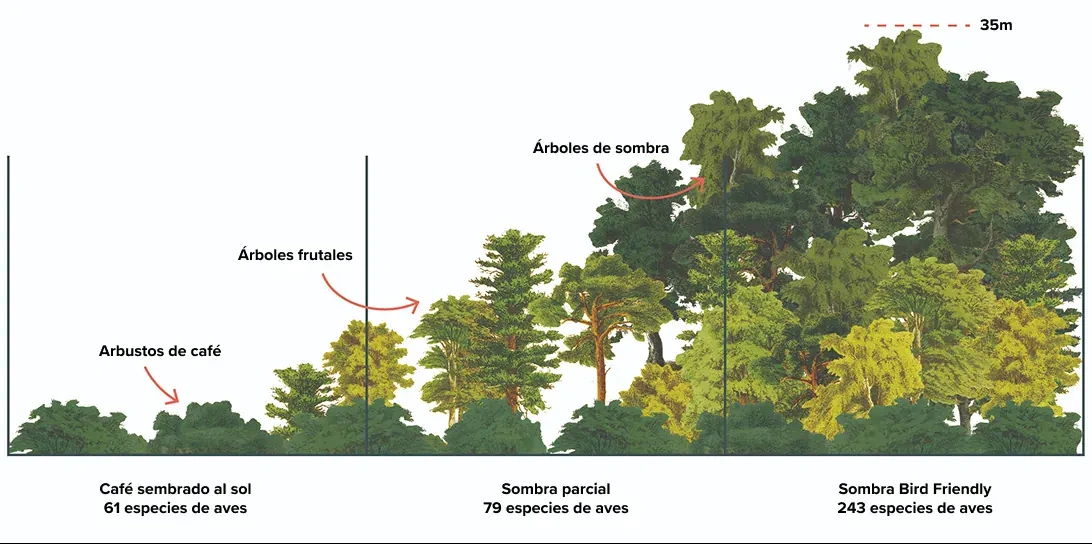
Chart comparing bird species on sun coffee, partial shade, and Bird Friendly shade plantations

Researchers from the Bird Friendly program have found that shade-grown coffee farms are visited by many more species of birds than those that grow coffee in the sun.

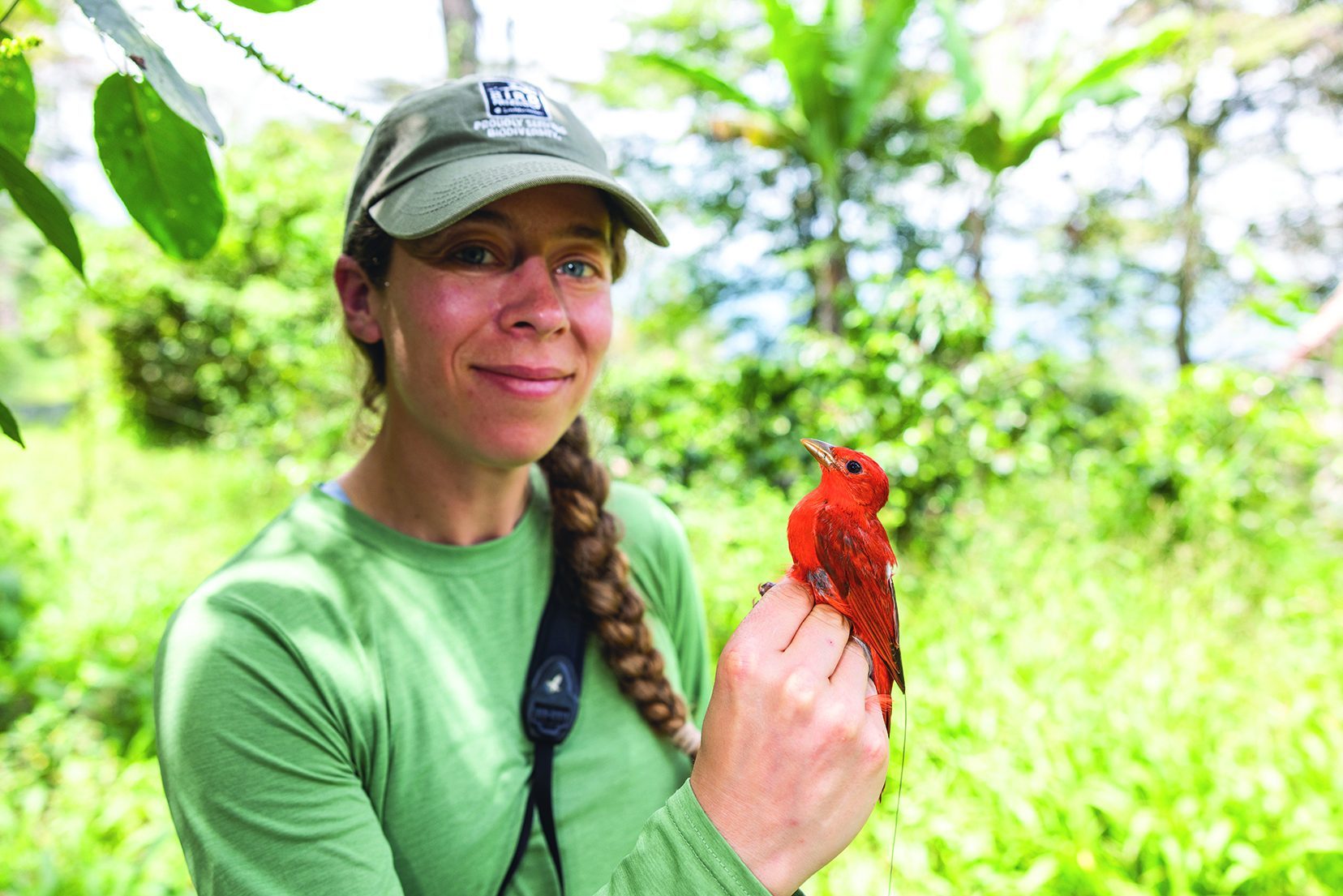
Hand holding a hummingbird in the tropical forest

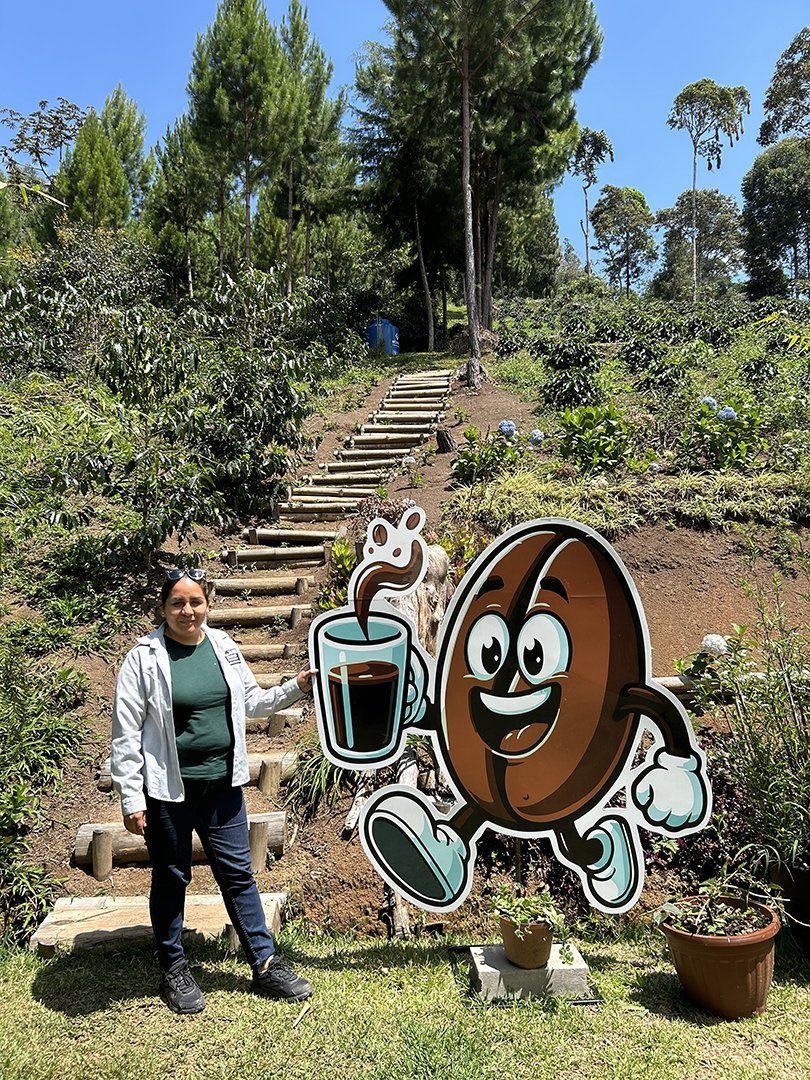
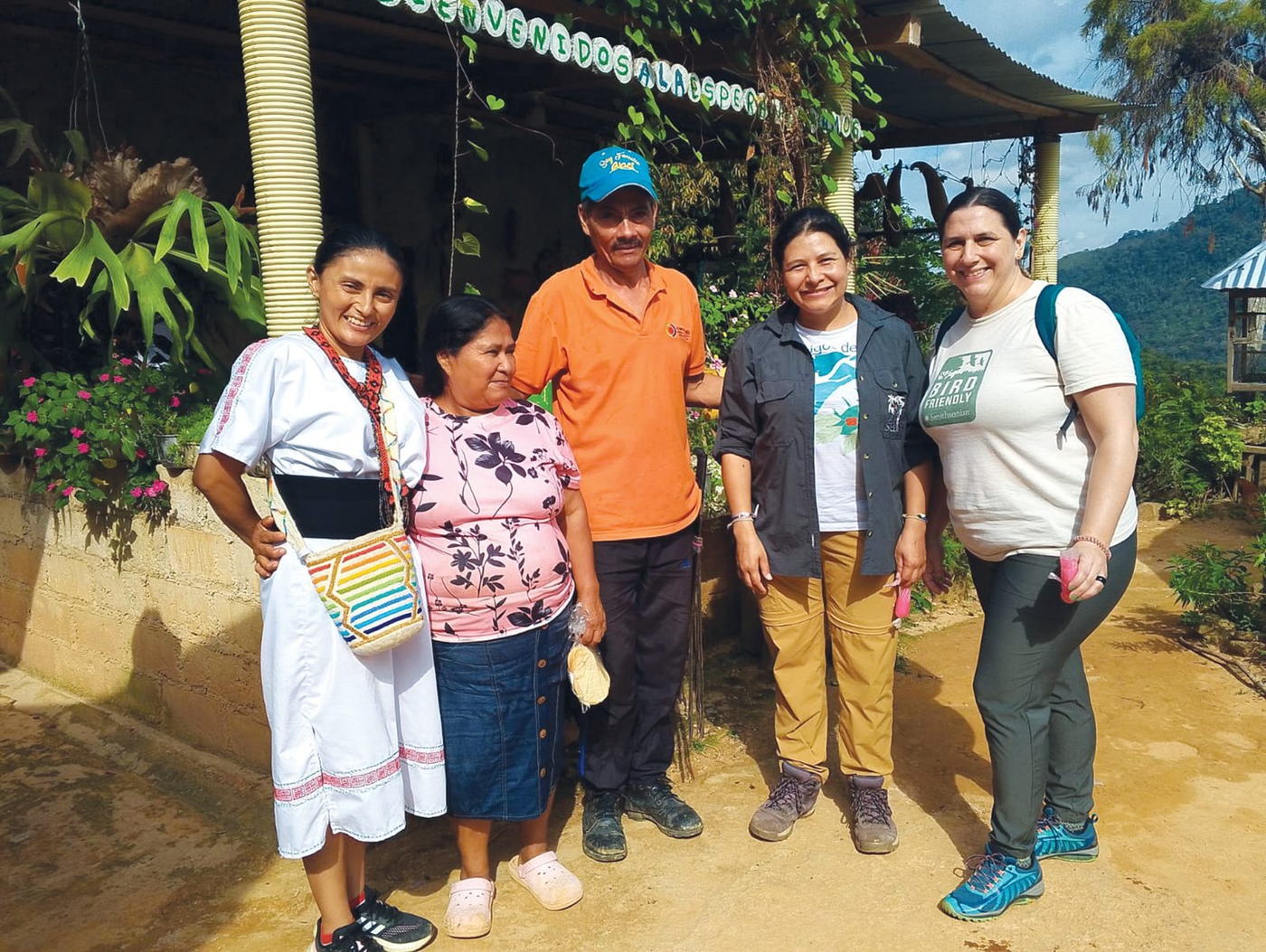
"When tourists who visit coffee-growing regions arrive in Villa Rica and see hills and hills of vegetation and trees, they always ask, where is the coffee? They don't realize that the coffee is planted under all those trees," explains Danitza Medina, who does scientific outreach and training with groups of coffee and cocoa producers, such as Cooperativa Ecológica de Mujeres Cafetaleras Villa Rica (CEMCAVIR) in Villa Rica, the town where she was born.

In recent years, these producers have reinforced their commitments to the environment through collaborations with research and conservation organizations, such as SELVA in Colombia and the Smithsonian Bird Friendly® program.

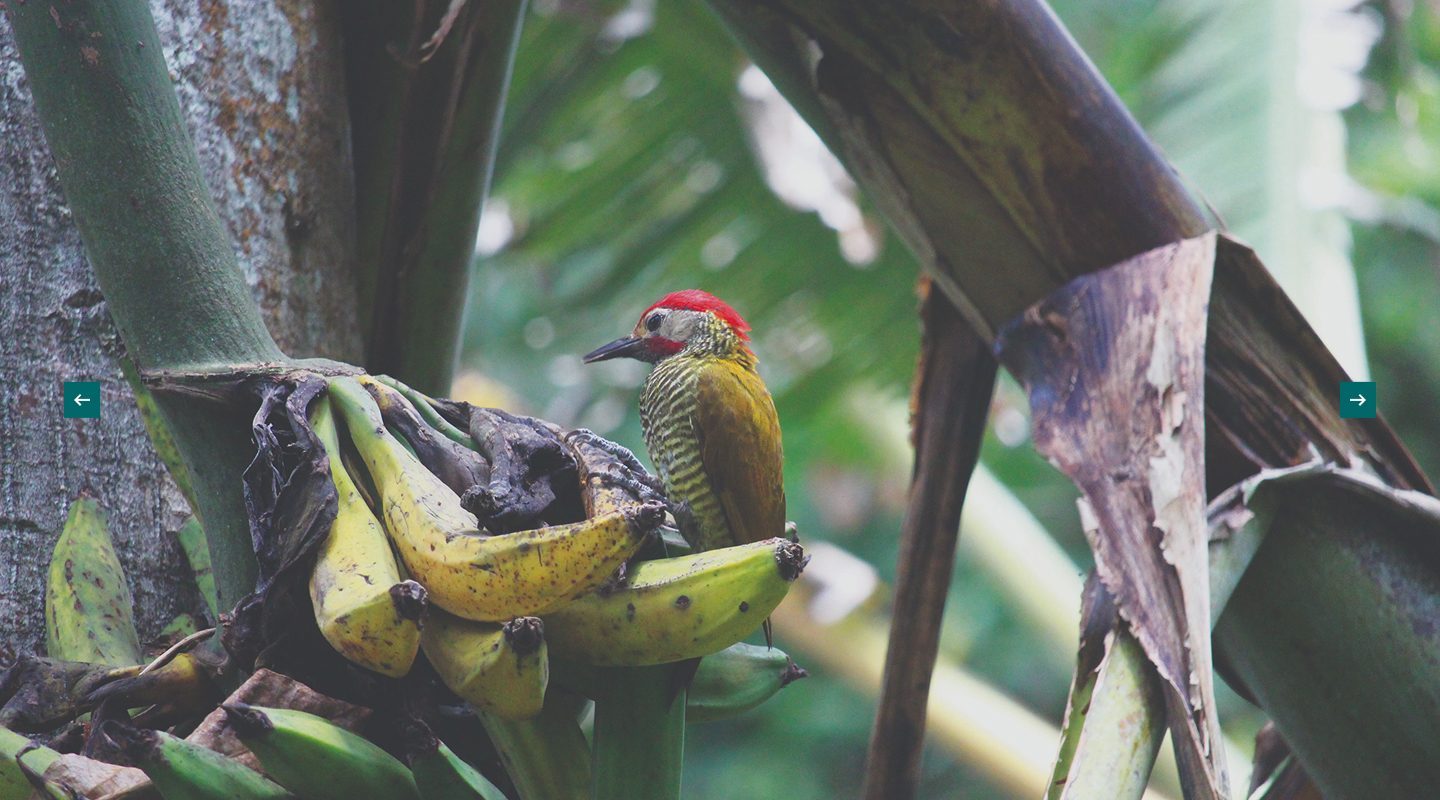
These practices bring several benefits to farms: trees protect the soil from erosion and attract birds, which in turn provide important ecosystem services, such as pollinating plants, dispersing seeds, and controlling insect populations.

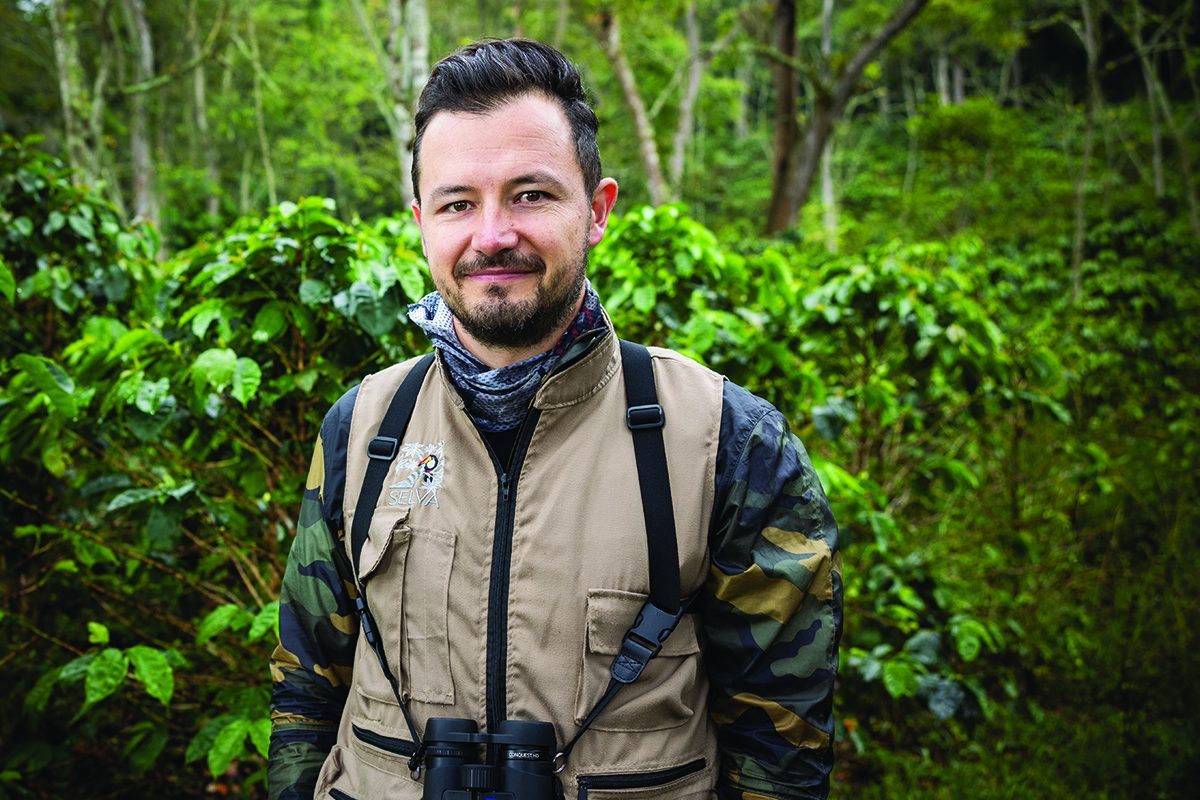
"The more diversity of trees a farm has, the more diversity of birds come to eat insects, including some crop pests such as the borer beetle," says Esteban Botero-Delgadillo, biologist and ecologist, and director of SELVA's conservation science program. "When farmers conserve native trees, they attract biodiversity that provides many economic benefits."

The Bird Friendly® seal especially appeals to importers and roasters in the specialty coffee sector who are looking to capture the audience of wildlife lovers and conscious consumers.

More than other certifications, Bird Friendly uses Smithsonian science to protect bird habitats. Research conducted by Smithsonian scientists and research associates guides conservation efforts in growing regions, in collaboration with coffee and cocoa farmers who want to prevent bird populations from further disappearing.

"Scientific research is at the heart of Bird Friendly® certification," says Ruth Bennett, a research ecologist at the Smithsonian and the director of the Bird Friendly program. "By studying how birds respond to different farming practices and landscapes configurations, we can ensure that the certification continuously evolves to benefit both producers and the ecosystems they steward."

Based on decades of research, the Smithsonian Migratory Bird Center (SMBC) launched the Bird Friendly® certification seal in the year 2000. The seal is now the recognized environmental gold standard for coffee and cocoa, and all farms use organic practices and conserve native shade trees or forests. The certified farms must protect wildlife habitat, either through an agroforestry pathway, where they keep 40% shade over coffee and 30% over cocoa, comprised of ten species of trees per hectare that must mostly be native; or by a forest conservation pathway, where they protect 40% of their land as sustainably managed forest.

In 2023, the Bird Friendly program opened an extension office at STRI in Panama, to connect more closely with producers in the region and guide them to obtain the Bird Friendly® certification, but mainly to motivate the use of good practices.

"Our extension program connects coffee and cocoa farmers to scientific research that can help them make choices that better protect birds and biodiversity on their land. At the same time, extension work allows us to receive feedback from producers to help guide new research," says Melissa Mazurkewicz, senior manager of the Latin American Bird Friendly program in Panama.

The Bird Friendly program, alongside collaborators such as SELVA, develop trainings and workshops aimed at producers and other members of coffee and cocoa cooperatives, and outreach and educational materials, such as guides to native tree species in each region, and the birds that visit them, to motivate the adoption of good practices and certification.

"Being based in Panama strategically positions us to travel easily in Latin America, strengthening our ability to support both producers and auditors," adds Melissa. "We also participate in coffee and cacao events that help us grow the Bird Friendly community."

Ancestral knowledge

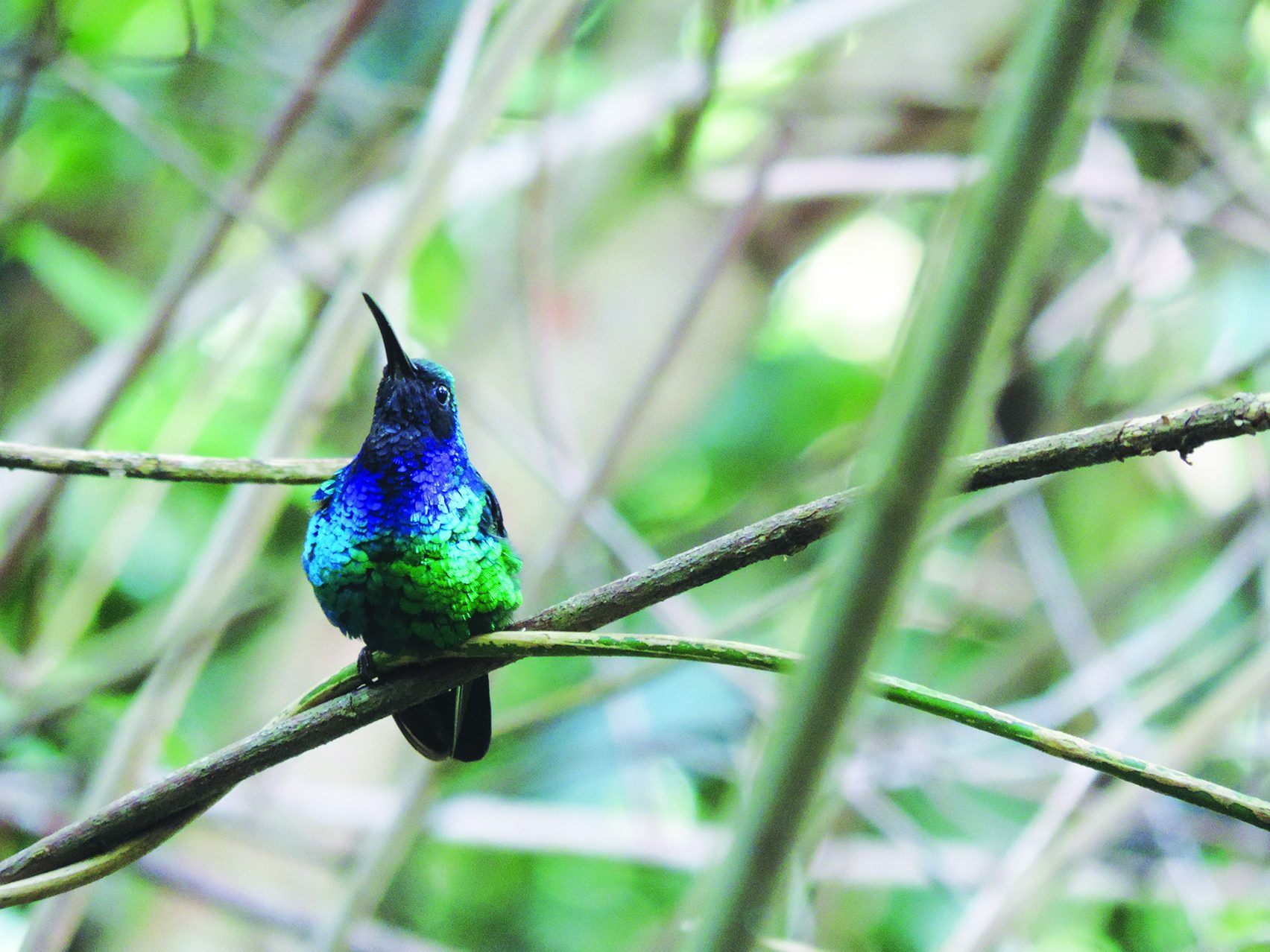
In the Sierra Nevada de Santa Marta and the Serrania del Perija in Colombia, the producer organization ANEI is made up of hundreds of Indigenous and rural families dedicated to the cultivation of coffee and cocoa in harmony with nature. They work with SELVA and Bird Friendly for the protection of birds, such as the Santa Marta sabrewing (Campylopterus phainopeplus), an endemic hummingbird species from the region that was thought to be extinct until it was rediscovered in 2022.

"The Sierra Nevada de Santa Marta is a unique and incredible place," says Zoraya Buitrago, a biologist and environmental educator who works with SELVA to develop educational projects and initiatives. "It is a mountain in northern Colombia that starts from the level of the Caribbean Sea and reaches the highest snow-capped peaks in the country."

The Sierra Nevada de Santa Marta is an isolated system of the Andes Mountains with extensive biodiversity and is home to four main groups of Indigenous communities— Arhuaco, Kogui, Wiwa, Kankuamo. According to the worldview of these communities, the Sierra Nevada is the "navel of the world", a sacred place where the world originated. "There are so many unique fauna and flora in the region that it is easy to make the link between that vision and its importance for biodiversity," Esteban says.

In Peru, the cradle of coffee is in the district of Villa Rica, part of the Oxapampa-Ashaninka-Yanesha Biosphere Reserve. Its inhabitants, the Yanesha Indigenous community, Austro-German settlers and settlers from other parts of Peru, are promoters of conservation.

Collaborators such as Zoraya in Colombia and Danitza in Peru are an essential connection between these producers and the researchers at Bird Friendly and SELVA. Their presence maintains trust and feedback with these communities and constantly reinforces conservation principles and practices.

"We seek to train people on the audits and certification evaluation," Zoraya explains. "We have meetings with the community, we talk about good practices, we do exercises to learn to identify birds, and more. We want it to be practical for them, and for them to understand our presence there." Obtaining and maintaining the Bird Friendly certification brings producers other ecological benefits, such as opportunities for developing ecotourism activities, breeding pollinators, and planting edible and medicinal plants.

Challenges and resilience

In addition to environmental changes that affect production, such as longer or shorter rainy seasons, the coffee and cocoa industries face other challenges, such as shortages of people for fieldwork. Many young people from producer families are migrating to the city in search of other job opportunities, leaving the family business without a generational replacement.

"We are the third or fourth generation of coffee producers. Since we were children we have seen our parents and grandparents make an effort in the field and we have been learning along the way, but not many of us have taken the initiative to inherit those lands," says Danitza, whose coffee-growing experience in Peru has helped her connect with producers and understand their needs.

Panama also produces world-renowned specialty coffee. Panamanian Geisha coffee has reached record prices in the market. Despite this, no coffee farm in Panama so far meets the organic management requirement of the Bird Friendly® certification. One reason is that there is still not much research or development of organic practices in the country, which makes it difficult to implement effective pest control of fungi and coffee borer beetles, another global challenge.

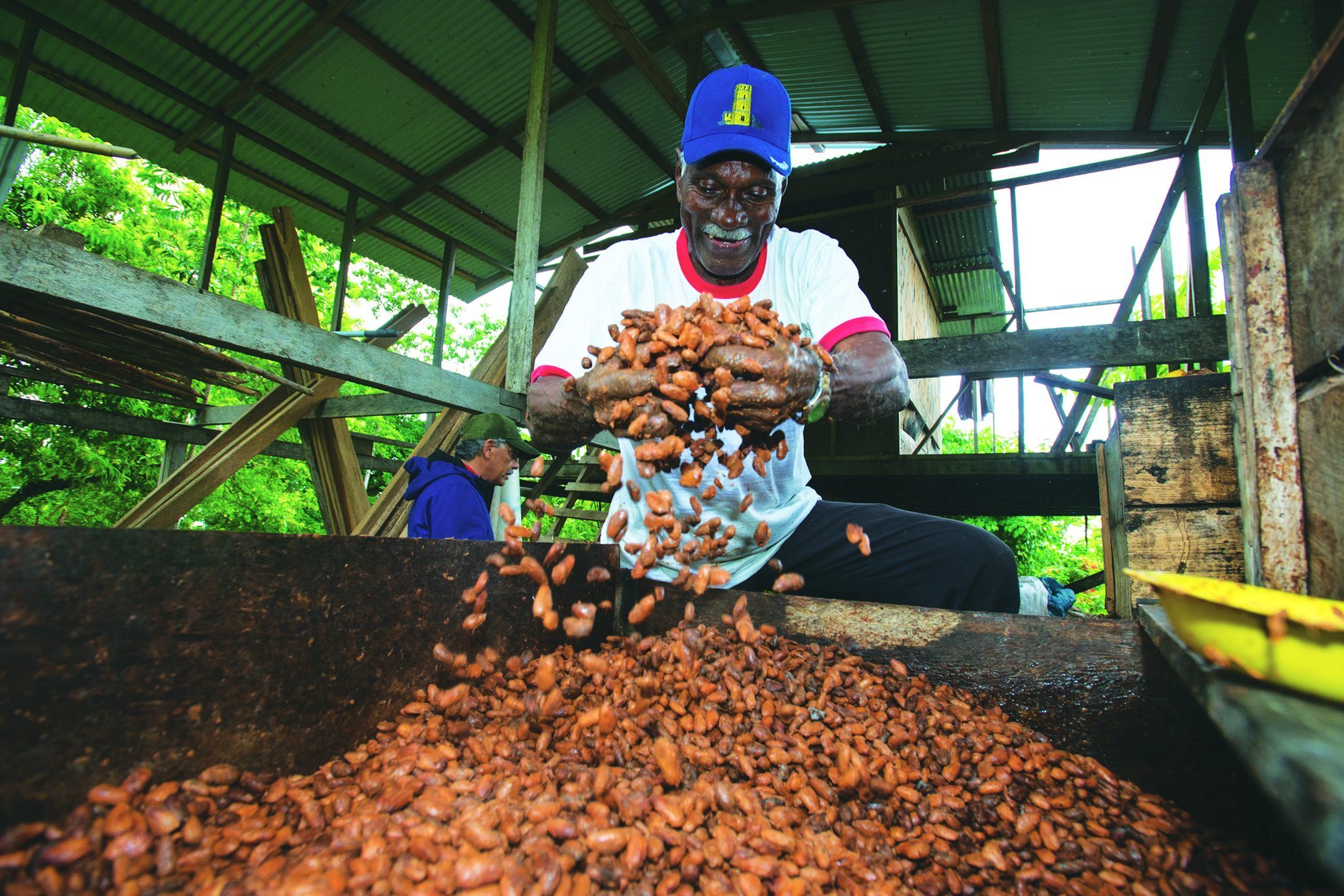
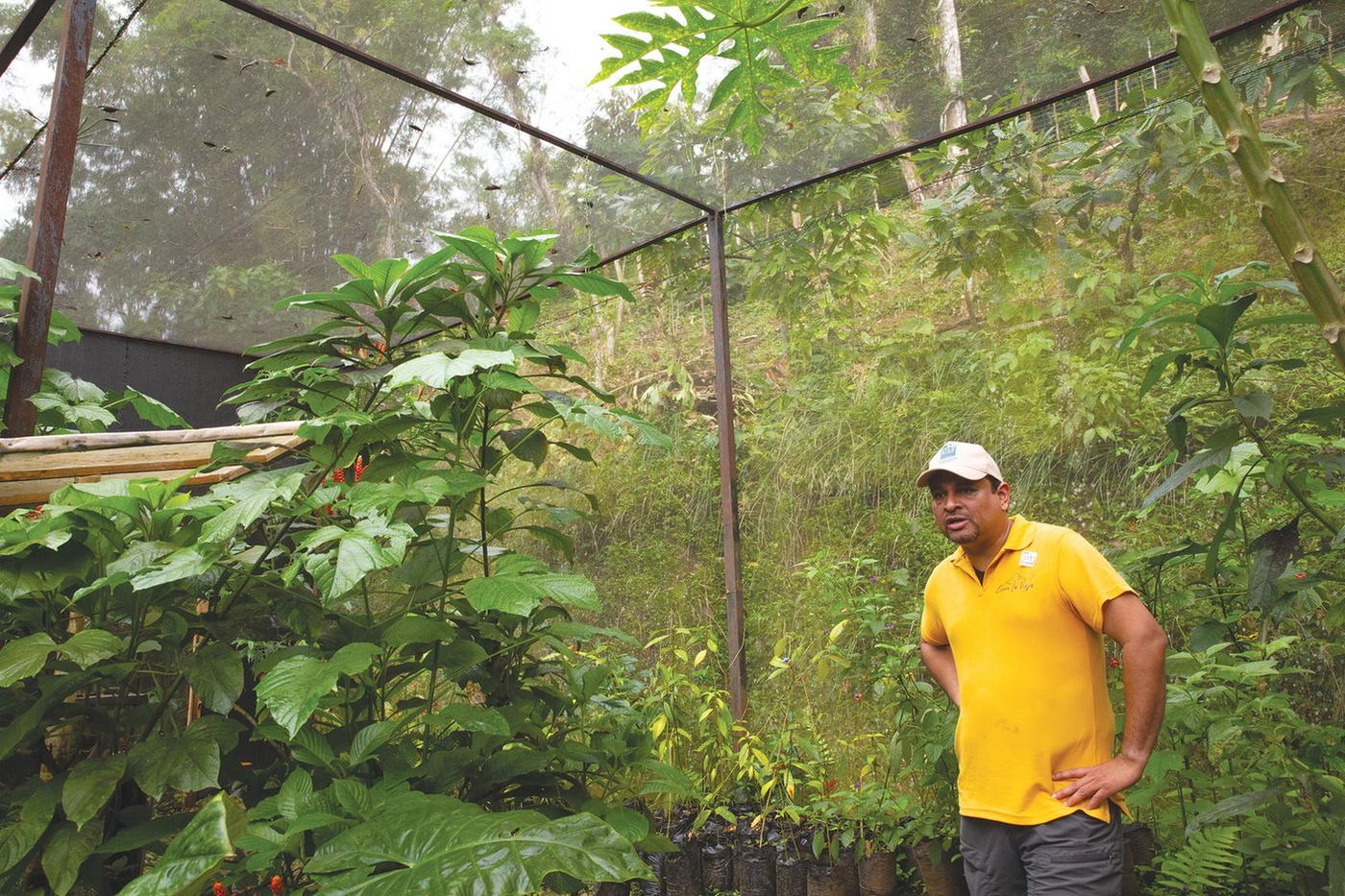
However, organic practices are more common on cacao plantations in Panama. The first Smithsonian Bird Friendly® certification was recently achieved in the country: Cacao Cerro La Vieja, organic cocoa produced in the province of Coclé, which obtained its certification through Bird Friendly's forest conservation pathway in 2025.

"For us it is essential to have the validation that the processes we are carrying out— management of organic plantation and forest conservation—are officially recognized and monitored. Especially if there is a market demanding sustainable products and a commitment to biodiversity," says Samuel Valdes, owner of Cacao Cerro La Vieja.

This first certification in Panama highlights the importance of expanding certification opportunities, to help producers position themselves in the market and find new opportunities and connections.

As more coffee and cocoa farms become certified, Bird Friendly extension continues to help producers achieve more sustainable and resilient farms that thrive in harmony with birds and biodiversity, protecting their ecosystems and the connectivity between forest remnants.

"Our research shows that Bird Friendly® coffee and cocoa farms are among the most resilient farming systems in the tropics," says Ruth. "Forest cover, native shade trees, and healthy soils not only conserve biodiversity, but also stabilize yields and strengthen the well-being of farming communities in a changing climate."

Adrienne Arsht Community-Based Resilience Solutions Initiative
Science and community scene in Panama

Science and Education
on Wheels

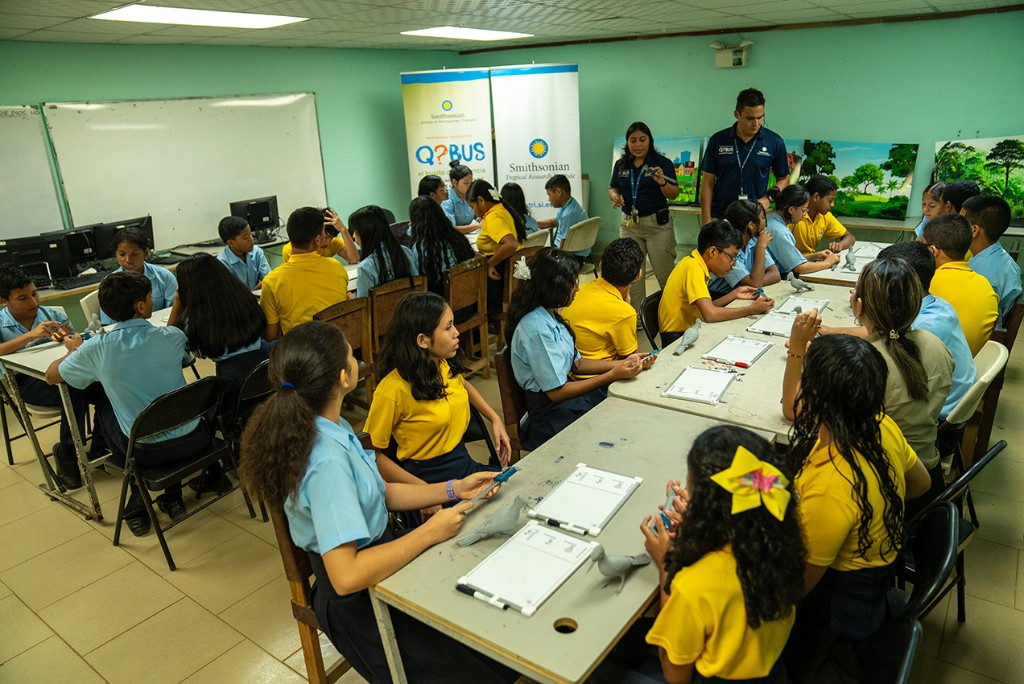
The Q?Bus is a colorful bus that brings Smithsonian science directly to schools and communities in Panama.

Packed with artifacts, curiosities, and interactive activities, this mobile laboratory sparks inquisitiveness and critical thinking in children, teachers, and young adults.

The audience's grade level or age range drives lesson design, which in turn determines the age-appropriate standards and skills to be integrated.

To bring the lessons to life, the Q?Bus team immerses itself in the latest research from the Smithsonian Tropical Research Institute (STRI) and partners with scientists who lead them.

The Q?Bus program helps students reinforce the learning they acquire in the classroom and put it into practice by experimenting with real-life applications of science in their community settings. They transform these discoveries into memorable learning experiences: from educational games to simulations that put students at the center of the action.

The Q?Bus, like many STRI educational programs, depends on internal and external grants from donors such as the Youth Access Grant, the Inter-American Development Bank (IDB), the Embassy of Canada, Fundación Causa Nuestra, and the Adrienne Arsht Initiative for Community-Based Resilience Solutions. The program is offered at no charge, removing logistical and economic barriers to make scientific knowledge accessible to more people, regardless of their location.

Looking ahead, Q?Bus is expected to further create meaningful educational experiences that foster students' curiosity and support educators' passion for teaching. The Q?Bus seeks to expand scientific knowledge by sharing it with communities where people can continue to connect their own experiences and the environment around them with science.

"This initiative not only democratizes knowledge, but also fosters scientific vocations by involving students in real-life experiences that strengthen their critical thinking and understanding of the scientific method."

Jimena Pitty

Public Programs Manager and Q?Bus Principal Investigator

Students and community participating in Q?Bus activities

When Science Takes Root

Conducting Human and Resilient Field Research

Conducting field science with communities isn't just about obtaining results. It's about seeking mutual understanding.

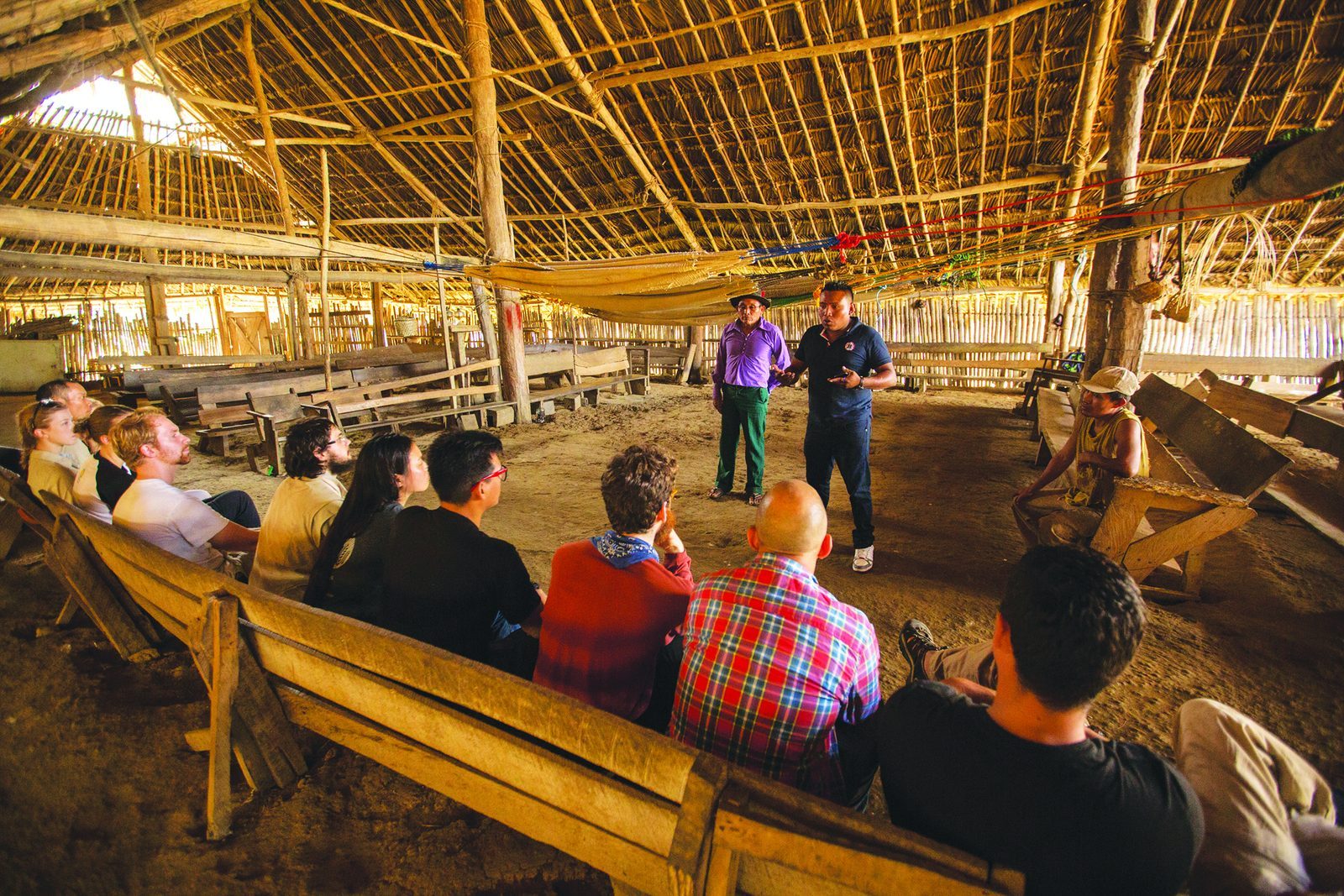
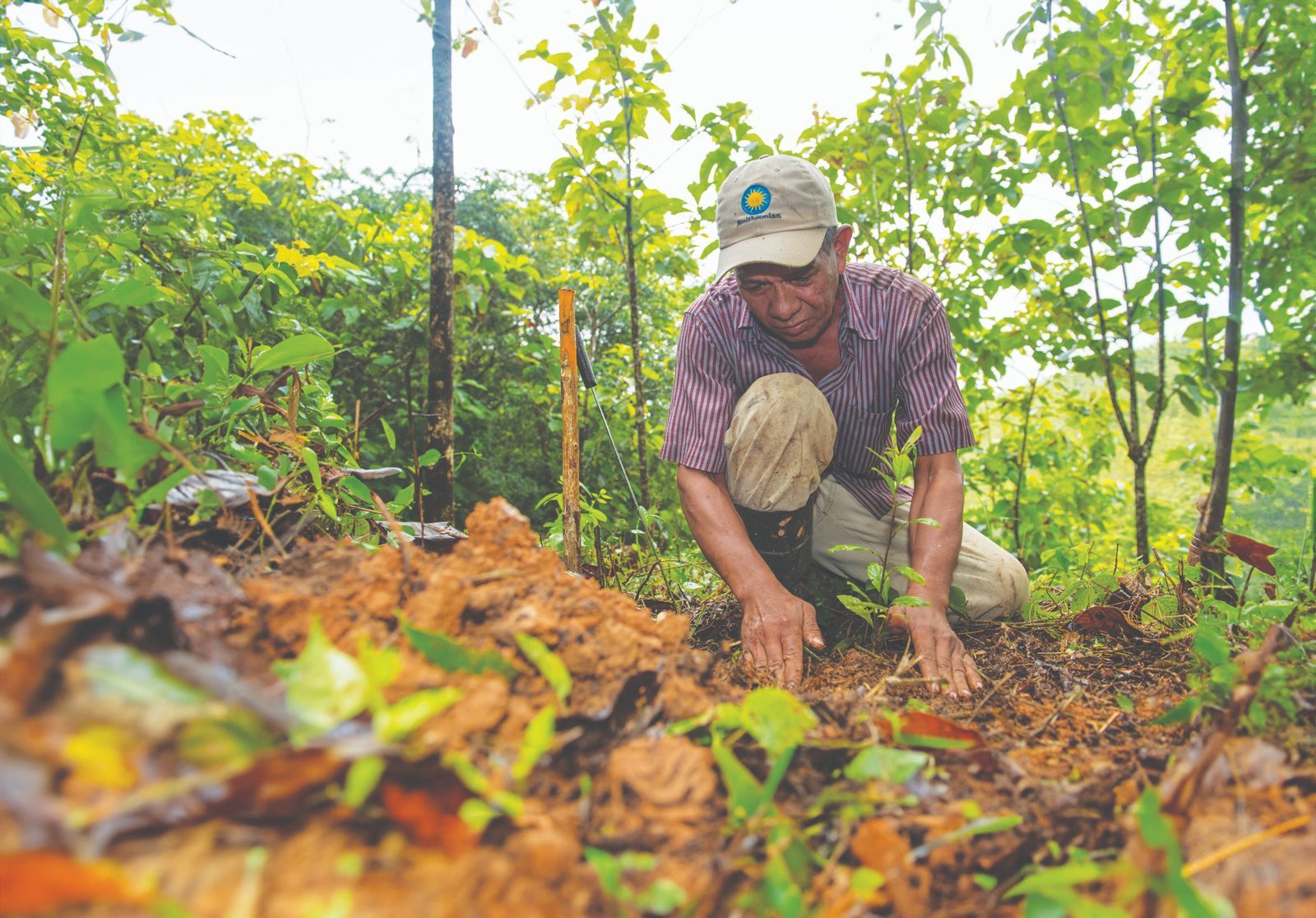
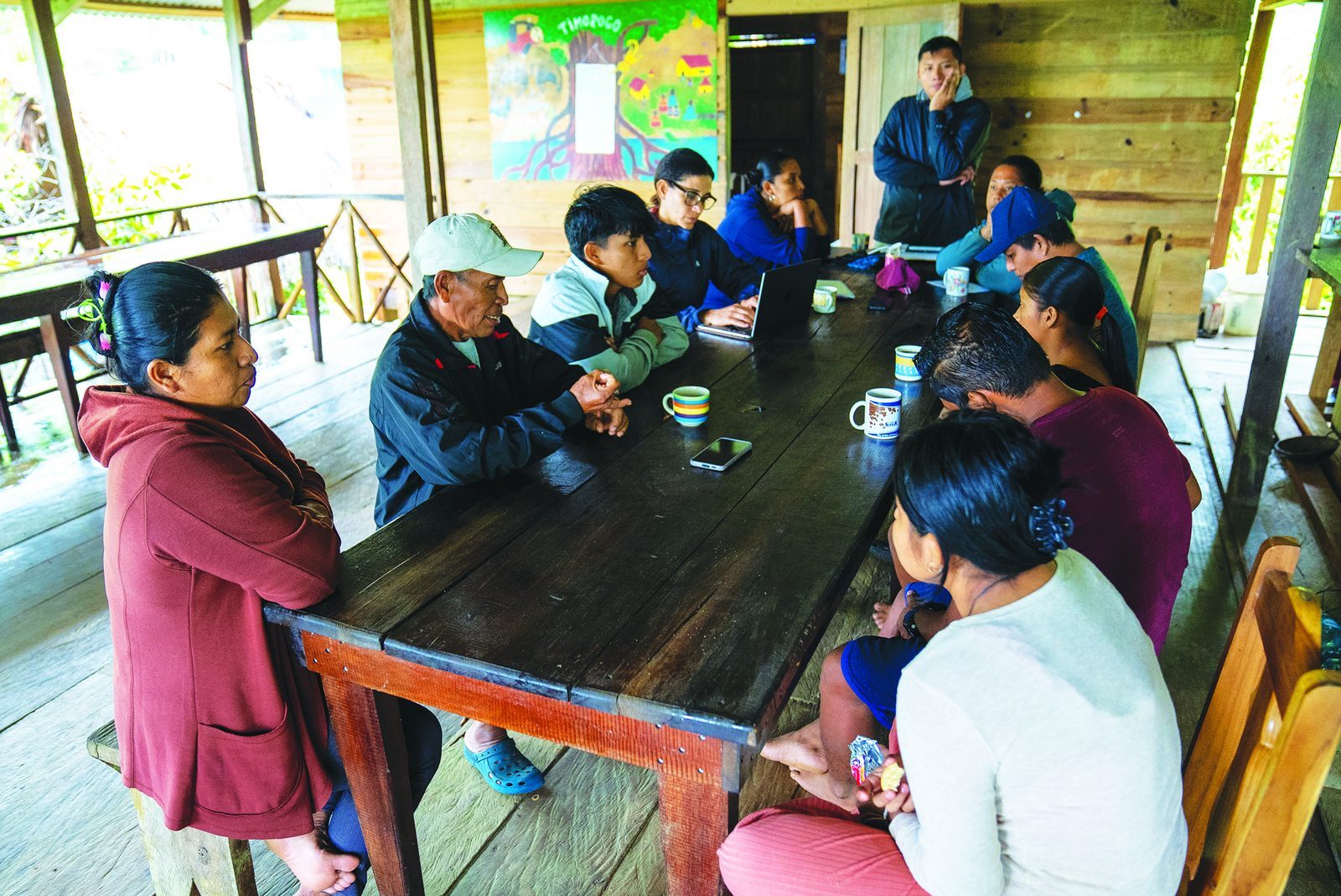
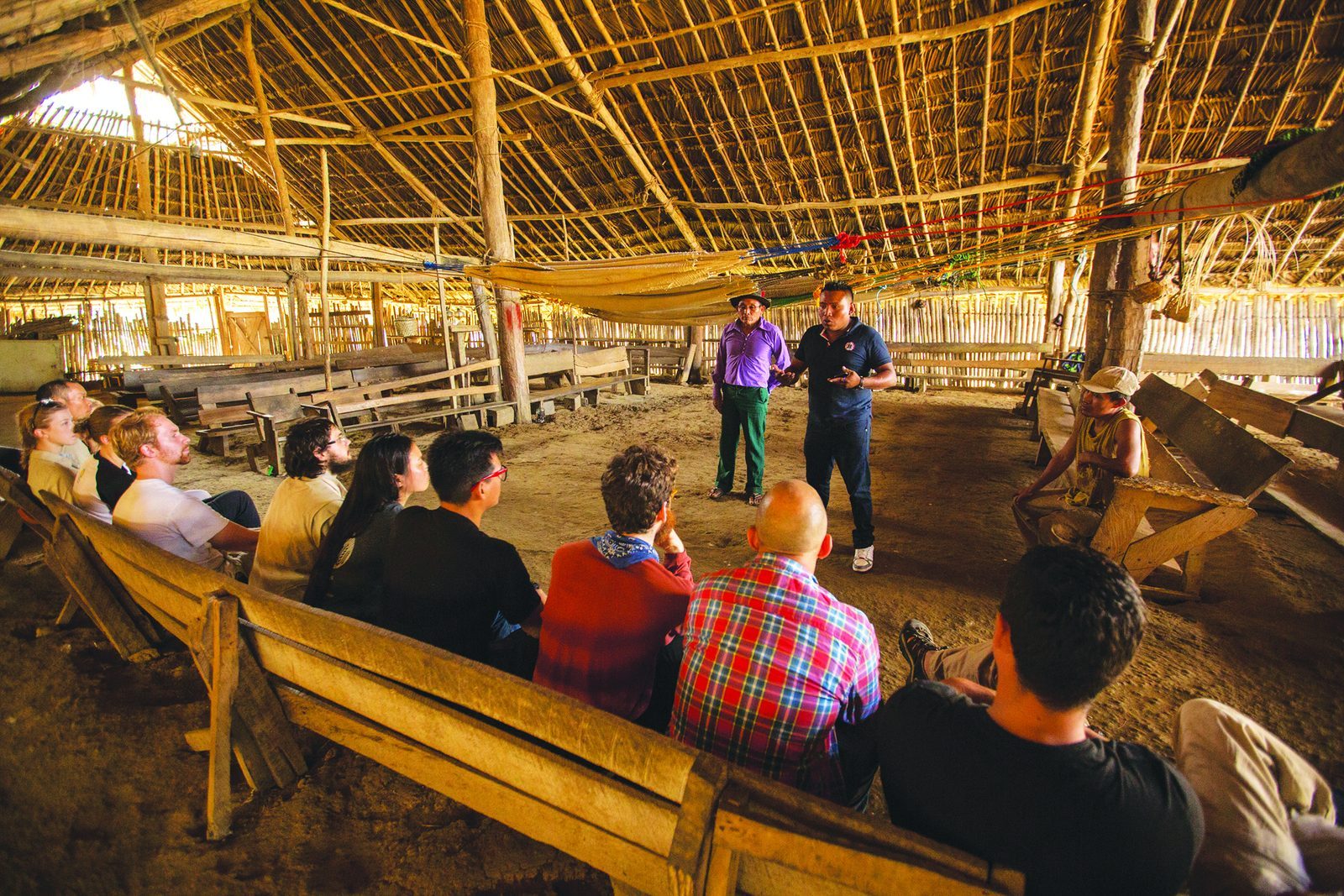
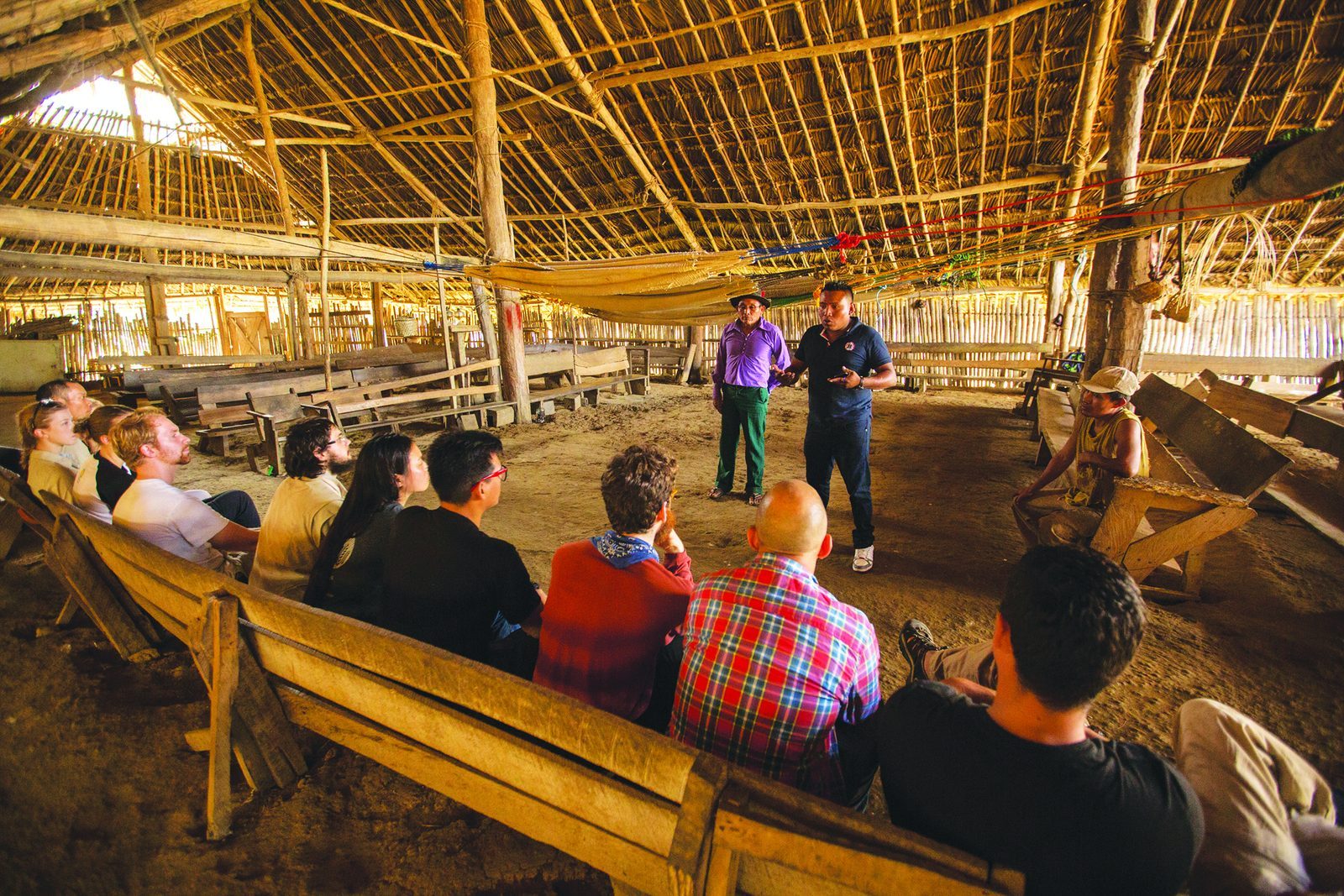
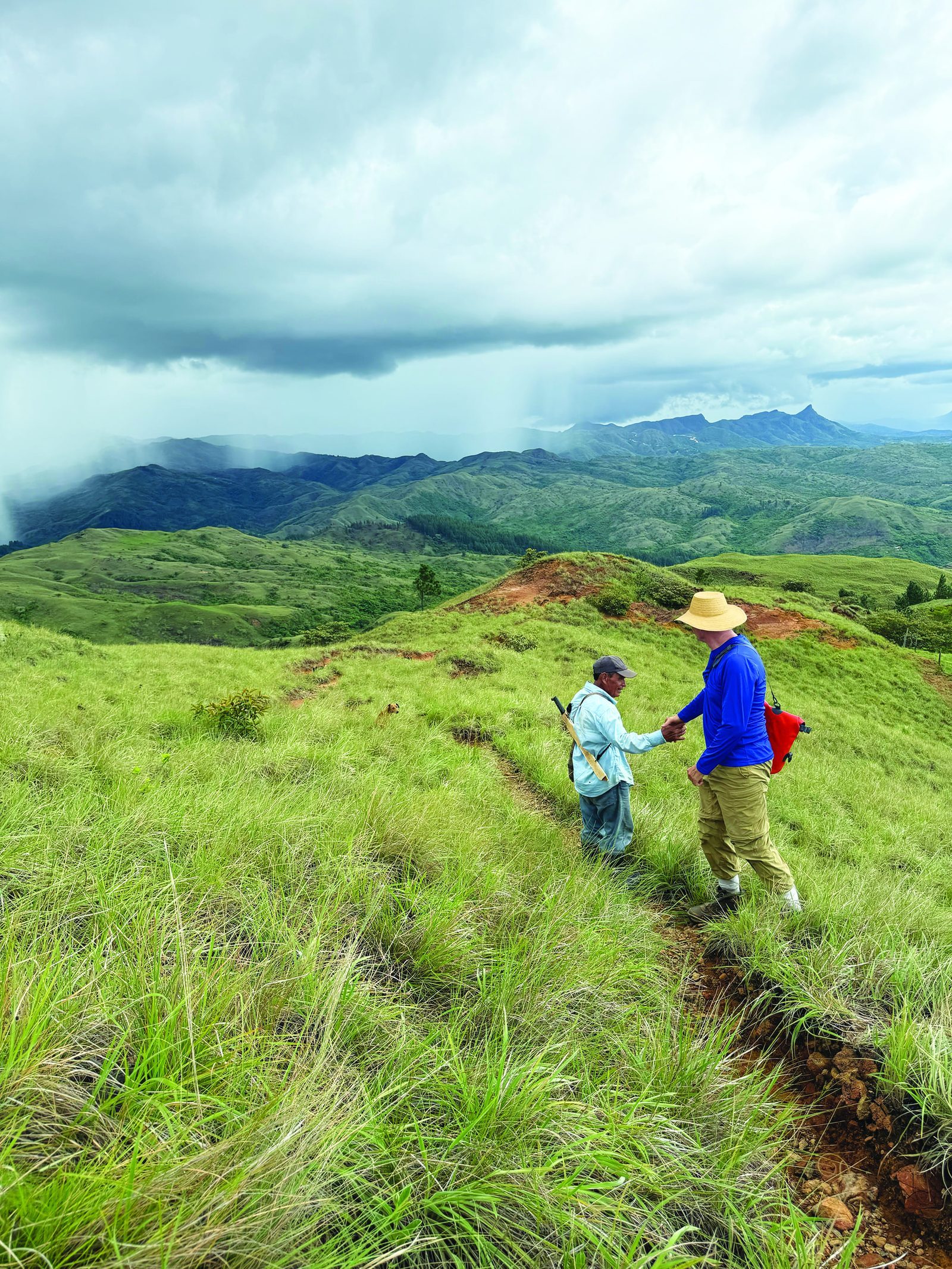
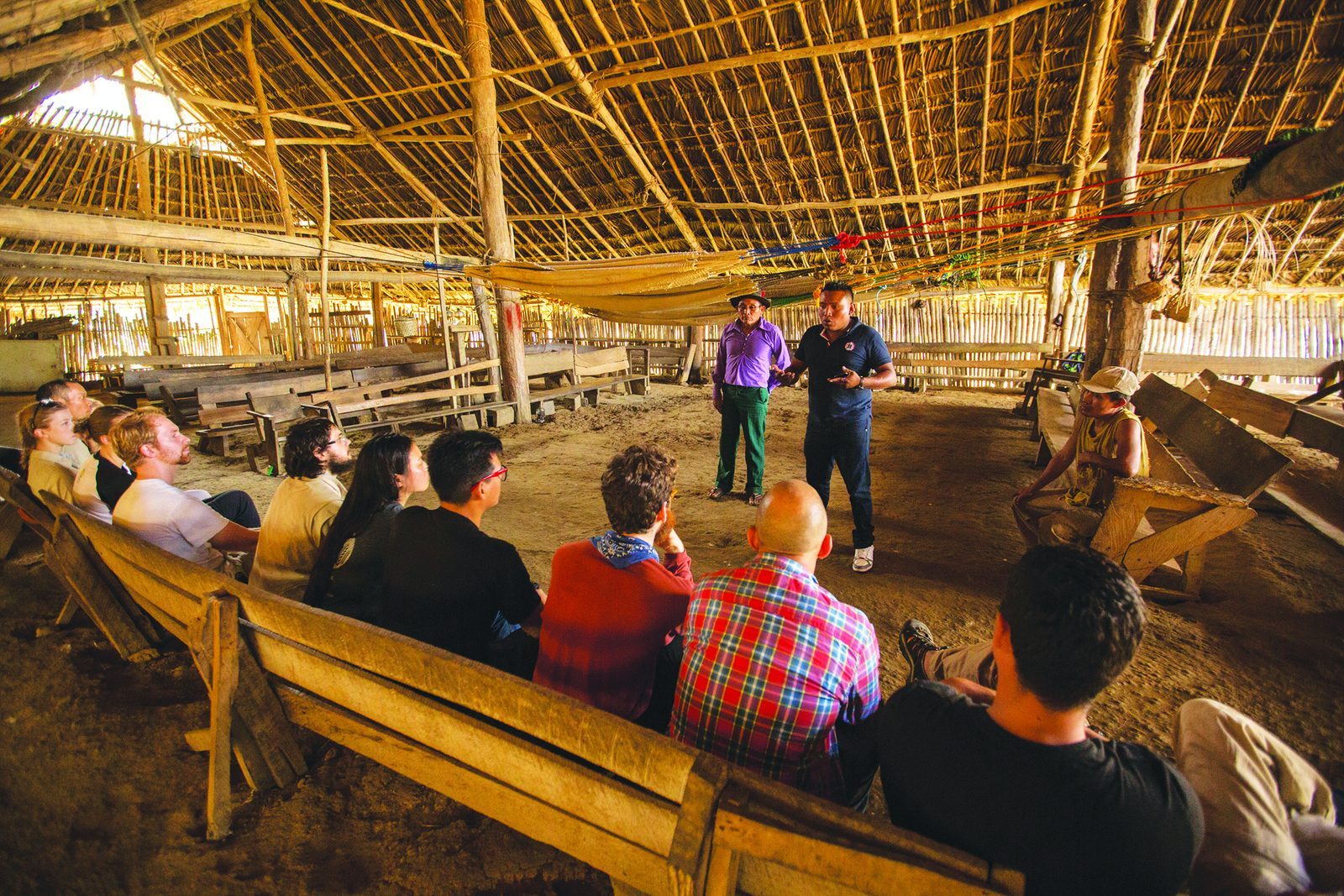
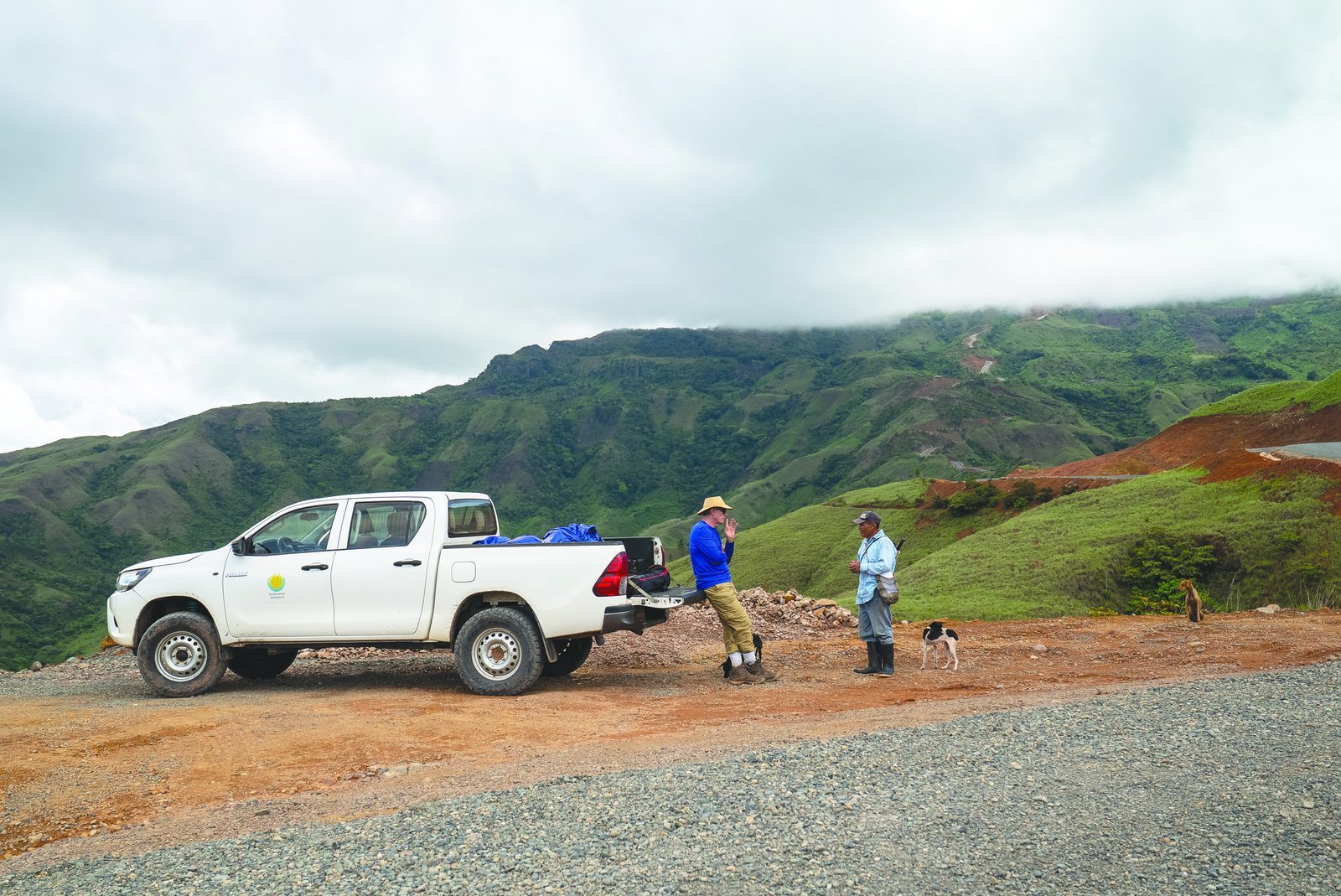
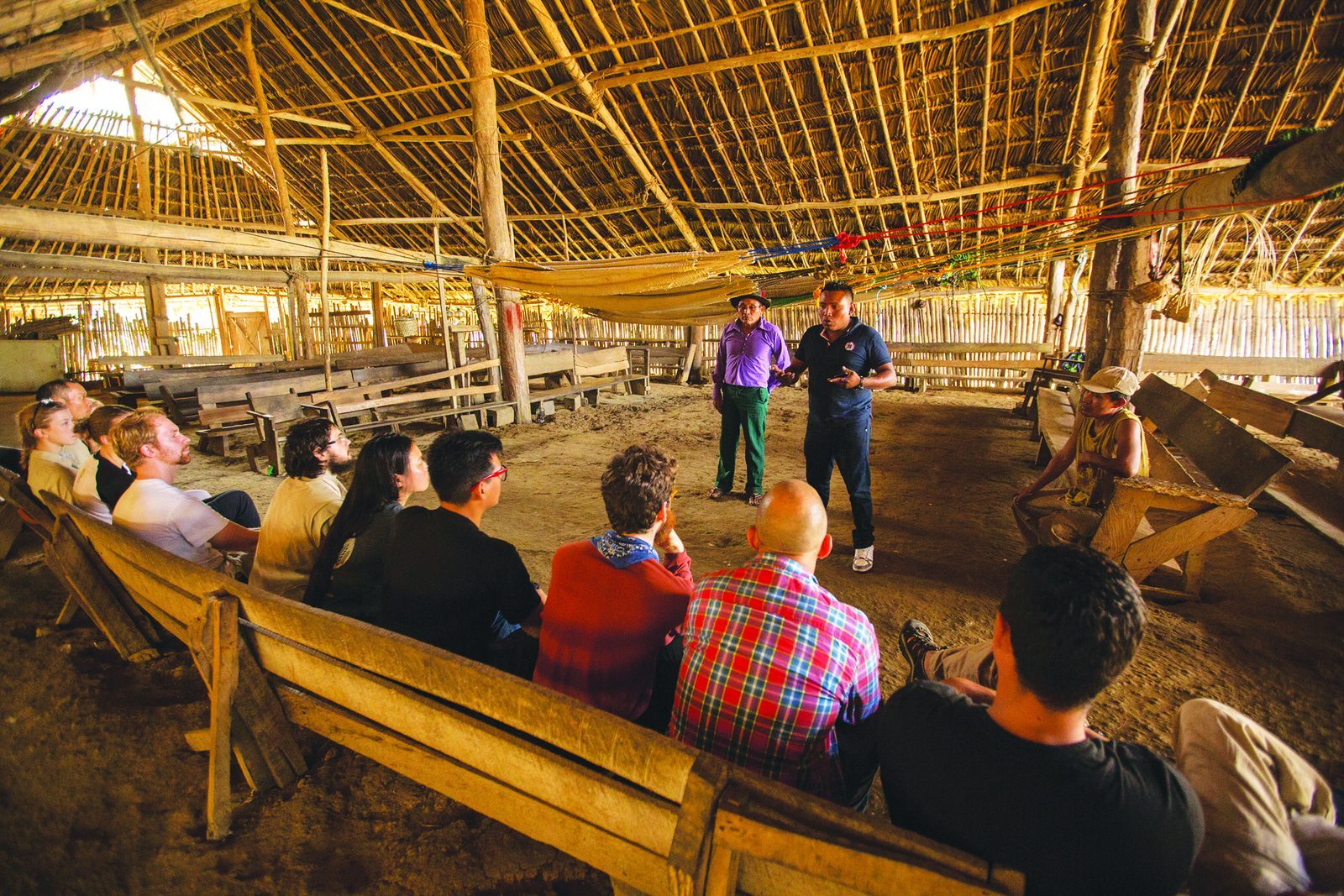
Research on social-ecological systems in the tropics requires communication, presence, trust, and dedication; it is woven from human connections. Communities may have deep knowledge of their territories and local biodiversity, and their histories and cultures may be closely intertwined with the natural environment. A welcoming greeting, a conversation around the campfire, and a shared walk are part of a warm, mutual exchange. Respect and acceptance of a community's cosmovision is fundamental and forms the basis of a human, collaborative, and resilient relationship.

When researchers build genuine relationships with communities, listen to local needs, and value traditional knowledge, they create an environment where knowledge flows in both directions. Here, three researchers from STRI who have formed connections with communities as part of their research, share their unique processes and perspectives on what it takes to conduct field science in different cultural contexts and how the connections they make endure over time and transcend scientific results.

Collaborative science

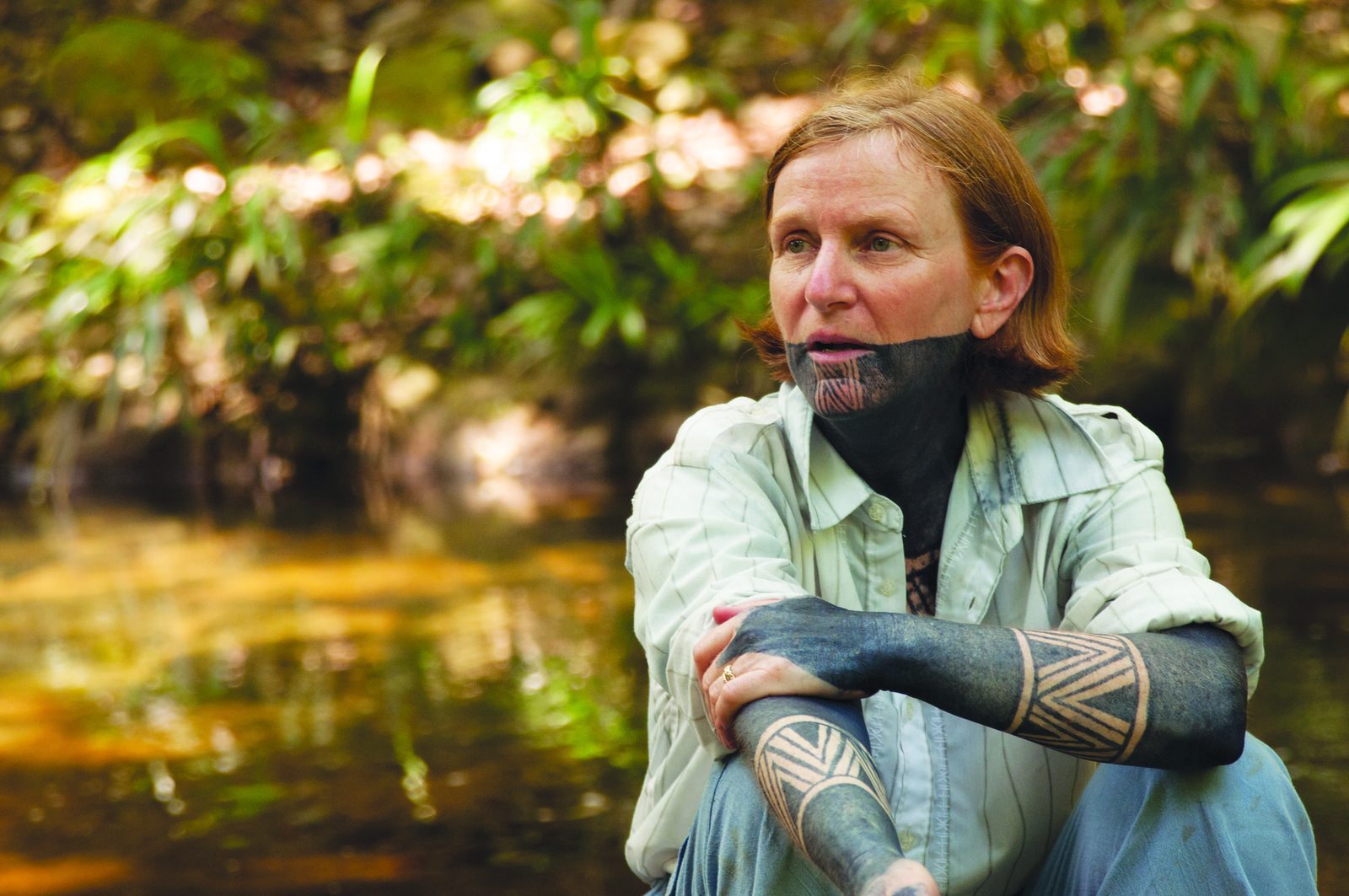
Doing science increasingly involves collaborative models in which scientists and communities share goals, responsibilities, and benefits. This is defined as participatory action research and consists of an exchange of knowledge between a community and researchers to generate tangible results. Both the researcher and the community establish their interests and objectives together. Such is the case in the Bacurú Drõa forest conservation project in the Balsa collective lands, in the Emberá-Wounaan Comarca, Darién, led by Catherine Potvin, STRI research associate and professor emeritus of biology at McGill University. In Emberá, bacurú means tree and drõa means old.

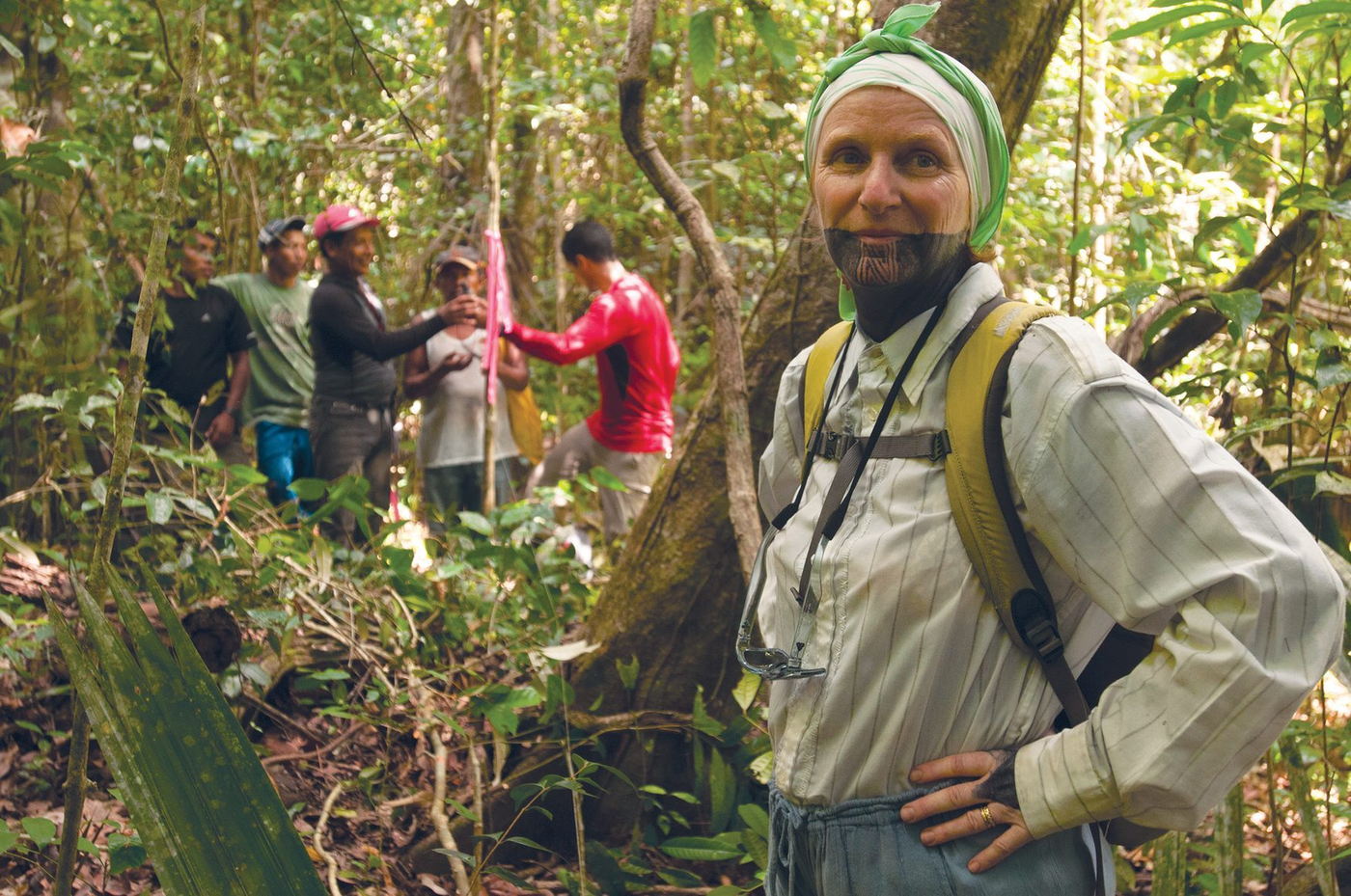
As part of the project, the Emberá Indigenous community asked scientists and authorities for support in their efforts to obtain legal status for the territory. This included creating a map with the Emberá names of rivers and important landmarks within their territory that emphasize their cultural and historical value. Thanks to the longstanding collaboration between the communities along the Balsas river and Potvin, the project's field technicians are Emberá and were trained by the ForestGEO long term forest monitoring team on Barro Colorado Island. The Bacurú Drõa technicians established a 15-hectare forest plot that surpasses all other plots in Panama in terms of its biological diversity. The trees on the map were identified by their Spanish, Latin, and Emberá names, which facilitated an intercultural education program with the territory's schools, where children are learning the names of trees in Spanish and Emberá. "One can walk the same path as allies, and that goes a long way because it has the strength of two very powerful knowledge bases," says Potvin, inspired by her surroundings.

Potvin's efforts have also resulted in the integration of 10 Emberá women as part of the project's technical team. These Emberá women study, are trained, and earn a salary, achieving gender equity in communities that usually operate closely according to traditions that have endured for decades.

"They are the co-authors of all this science we are producing," says Potvin.

Relational resilience

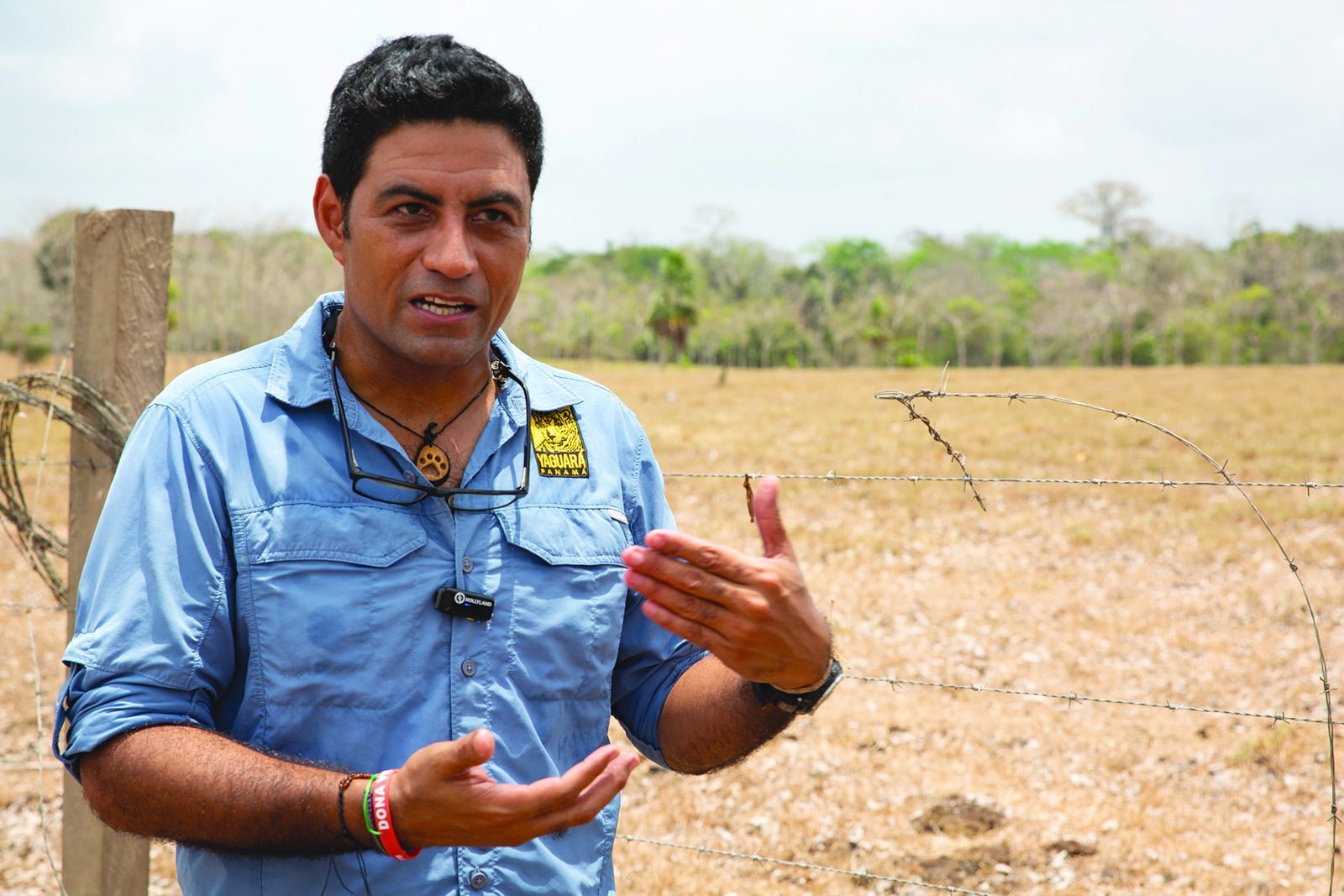
"You must be a person before being a scientist," says Ricardo Moreno, research associate at STRI and president of the Fundación Yaguará Panamá. With 27 years of experience working with ranching communities in Darién Province for the conservation of the currently endangered jaguars, he asserts that trust is the foundation of collaborative relationships with communities.

Spending time in Darién and speaking extensively with local people, he has learned to understand the economic losses posed by jaguar predation on livestock. Predation often leads farmers to retaliate by hunting jaguars.

Most farms border forests where jaguars roam are now cattle pastures. As a result, Yaguará Panamá works in collaboration with cattle owners to improve their livestock management plans and thereby prevent predation. This practice, in turn, facilitates the work of scientists who monitor jaguars.

After spending much effort and time with the community, Moreno feels like he is achieving his mission when people trust him enough to call him to report livestock predation as a potential monitoring site, rather than to call him after the jaguar has been killed in response. The trust that Moreno has established for Yaguará Panamá also facilitates communication between the community and the Panamanian government.

Precisely this close communication he has achieved with the community is raising awareness about the conservation of the jaguar and its habitat. "Let them know that we are allies," says Moreno, "We make them [the community] the most important actors in this."

Humans, after all

Catherine Potvin says there was a "before" and an "after" her first encounter with the Emberá community in Darién, so much so that it changed her perspective on doing science. "My focus was forest conservation, but after living with the Emberá for the first time, I realized that we can't preserve the forest, if we don't protect the people who live, depend on, and care for the forest," reflects Potvin, originally from Canada, about her first trip to Darién in 1993. Since then, she has built a bond with the Emberá that goes beyond data collection and reporting.

That first trip was thanks to Rogelio Cansari, then a young Emberá who helped Potvin coordinate the expedition, and who would later become her master's student at McGill University. Potvin traveled with her three children, ages eight, seven, and five at the time.

"No one perceived me as a scientist; the first encounter was truly from mother to mother. So, it was a soul-to-soul, human-to-human relationship. Science didn't get in the way, and this humanity is what I tried to maintain the entire time."

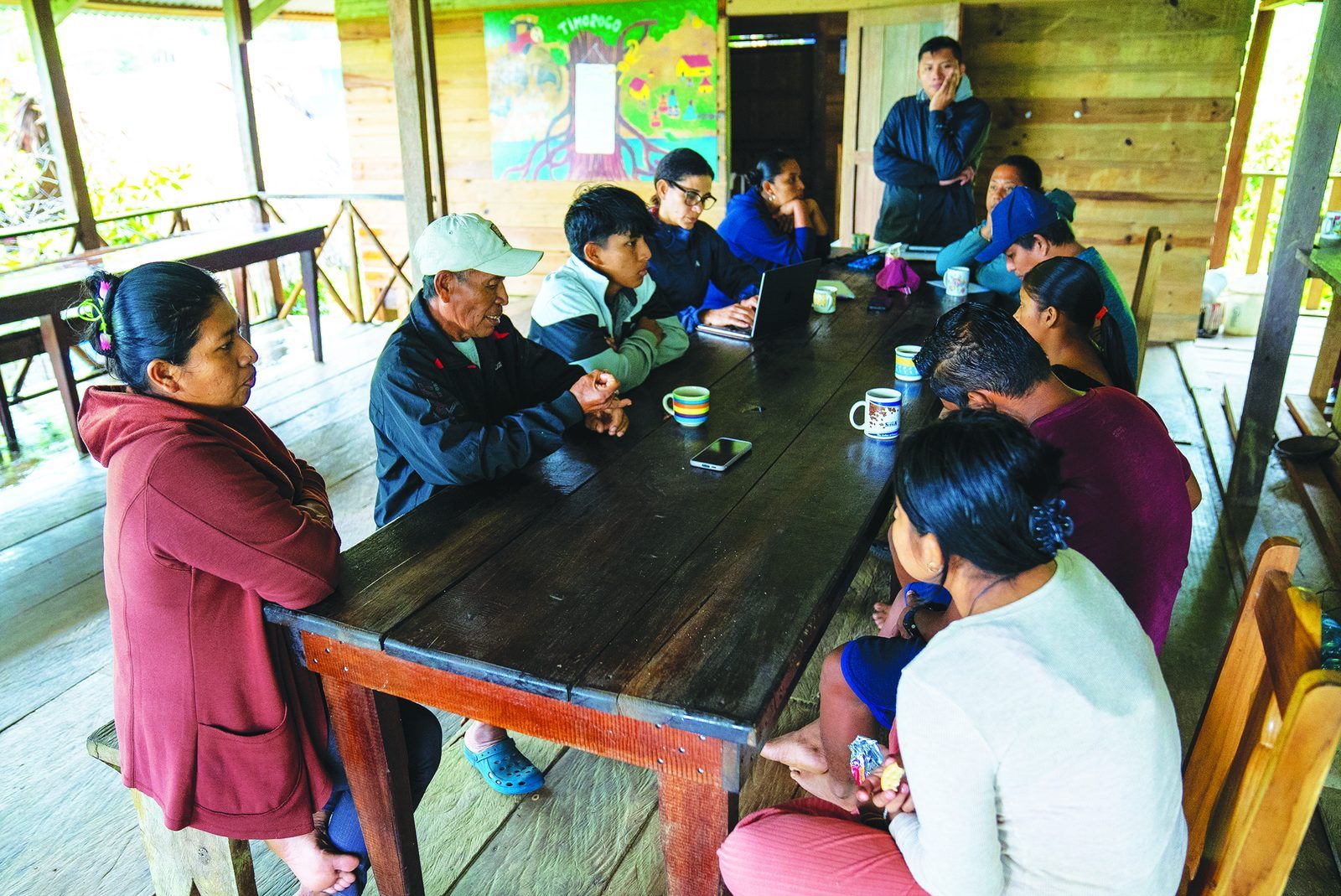
Ana Spalding, STRI scientist and director of the Adrienne Arsht Community-Based Resilience Solutions Initiative, had a similar experience when she was pregnant with her first daughter. Spalding travelled to Bocas del Toro Province to collect data for her doctoral dissertation on marine policy and sustainable development in the Archipelago. During her first year in the field, she established relationships and developed trust with some island communities. Being Panamanian but not Indigenous, Spalding directly connected with women from one of the island communities inhabited primarily by Indigenous Ngäbe Buglé, when she arrived visibly pregnant.

"I felt less like an outsider in their community. It was a super basic understanding: you are a woman, and you are a mother," Spalding says, affirming that with this openness, she gained a new perspective on the research process. She was able to delve deeper into the daily lives of women, who, due to gender or power dynamics, tend to be quieter. "If they were in the kitchen, I would go to the kitchen, and they would receive me in a totally different way."

For Indigenous women to participate, the data collection methodology must be strategically designed, as they are not typically interviewed individually. Interviews are conducted in community meetings where leaders, who are generally men, are the ones who respond. Although gender was not part of her research thesis, understanding women and the dynamics of the community helped her improve her methodology and understand the sociocultural context of the Archipelago.

"It is very important to know who you are when you enter a space, what you bring to the conversation, and how that influences information retrieval," Spalding comments. As director of the Arsht Resilience Initiative, the projects she focuses on consist on working with communities, understanding the different drivers of social, environmental, and political change, understanding what makes them resilient, and highlighting the power of the social sciences.

Towards a sustainable and resilient future

Thriving scientific fieldwork with communities is one in which relationships of trust between researchers and local communities are often the main characteristic. Even in the face of climate and social adversity, a bond of trust built on respect and reciprocity can strengthen the capacity for resilience and keep collaboration alive when other aspects fail.

Resilience, as the capacity for adaptation for both communities and ecosystems, and also for the researcher, is not only an ecological outcome, but a form of relationship and human engagement. "How can we be resilient in times of crisis?" reflects Spalding. "Things must change to be more inclusive and to be able to respond better to constant threats." Without resilient communities, projects lack sustainability, and without researchers capable of adapting and sustaining human connections, science struggles to take root in the land.

Being resilient involves cultivating the ability to listen, transform, and support one another in times of change. Being consistent with our actions and assuming responsibility strengthens our awareness of our interdependence with the environment; no one and nothing exists in isolation.

"We must understand the world as an interconnected social-ecological system," says Spalding. "By understanding this, the questions we ask and the research processes will be different, and the results will be more inclusive of both the human and environmental aspects." Science that cultivates strong relationships takes root and endures through time.

Landscape of the Ngäbe-Buglé Comarca with a researcher pointing to the valley

Why is Smart Reforestation®
now studying bees?

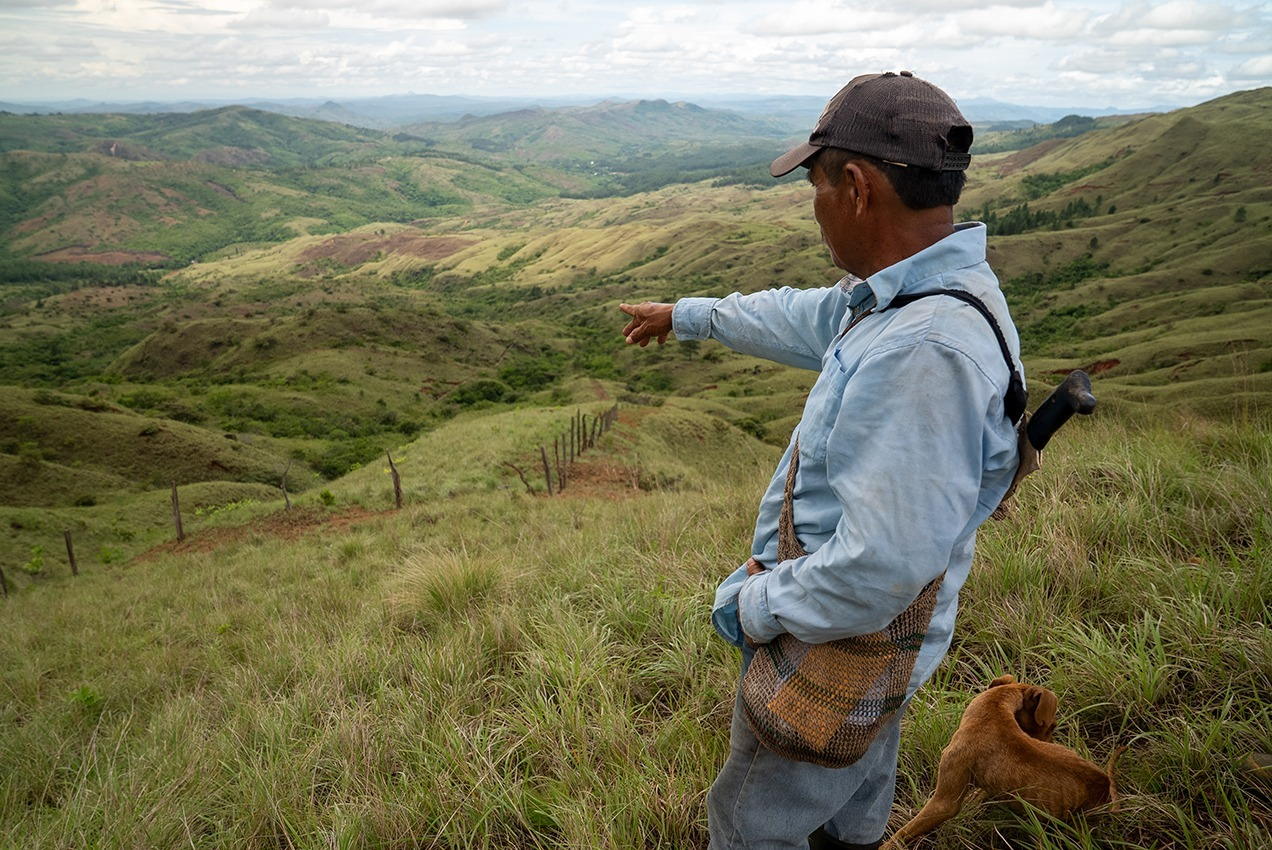
A reforestation project begins in the Ngäbe-Buglé Comarca in Panama — a challenging initiative in a land inhabited by Indigenous people deeply connected to their land but also historically impacted by fire and cattle. At the same time, the project creates an opportunity to understand how the diversity of bees as pollinators changes as native forests are re-established. Embedded in principles of environmental and social justice, local community participation becomes essential for this project.

Beyond the Soil

People living in a city likely spend days, weeks, or even months without stepping on bare ground, and they rarely think about the health of the soil underfoot. The health of the soil that grows the food we eat every day, that sustains the animals we rely on, and that filters the water we drink, is often taken for granted. But people living in the countryside may have a deeper connection to the land, especially if they work in agriculture. Although city life may seem distant from rural life, we all depend on the land and the ecosystems it sustains.

"Assessing how different land uses affect ecosystem services is one of the main goals of the Agua Salud Smart Reforestation® project," explains Adriana Tapia, project manager of this initiative at STRI. "Ecosystem services are the direct and indirect benefits provided by ecosystems, such as increasing the soil's filtration capacity, improving the quality and quantity of water in streams, increasing biodiversity, and enhancing carbon capture," Tapia added.

Researchers working with the Agua Salud project, which began in the Panama Canal watershed in 2008, have planted more than 150,000 trees on plots with different land uses, including grasslands, pastures, traditional cattle pastures, silvopastoral farms, and forests. In addition, the project has collected data on tree growth, as well as hydrological and weather information.

Reforestation in the Ngäbe-Buglé Comarca

In 2022, after several community meetings with Indigenous leaders from the Ngäbe-Buglé Comarca, local families and scientists from STRI, an agreement was signed to celebrate the reforestation project, an initiative that aims to reforest 100 hectares in 20 years. Photo: Jorge Alemán

Science and Community

After 13 years of gathering the scientific knowledge behind Smart Reforestation® — that is, learning to plant the right species, in the right place, at the right time, and for the right reasons, in 2021 a donation from the Rohr Family Foundation provided the opportunity to create a series of restoration plots in the Ngäbe-Buglé Comarca, Panama's largest Indigenous territory, located about 300 kilometers from Panama City.

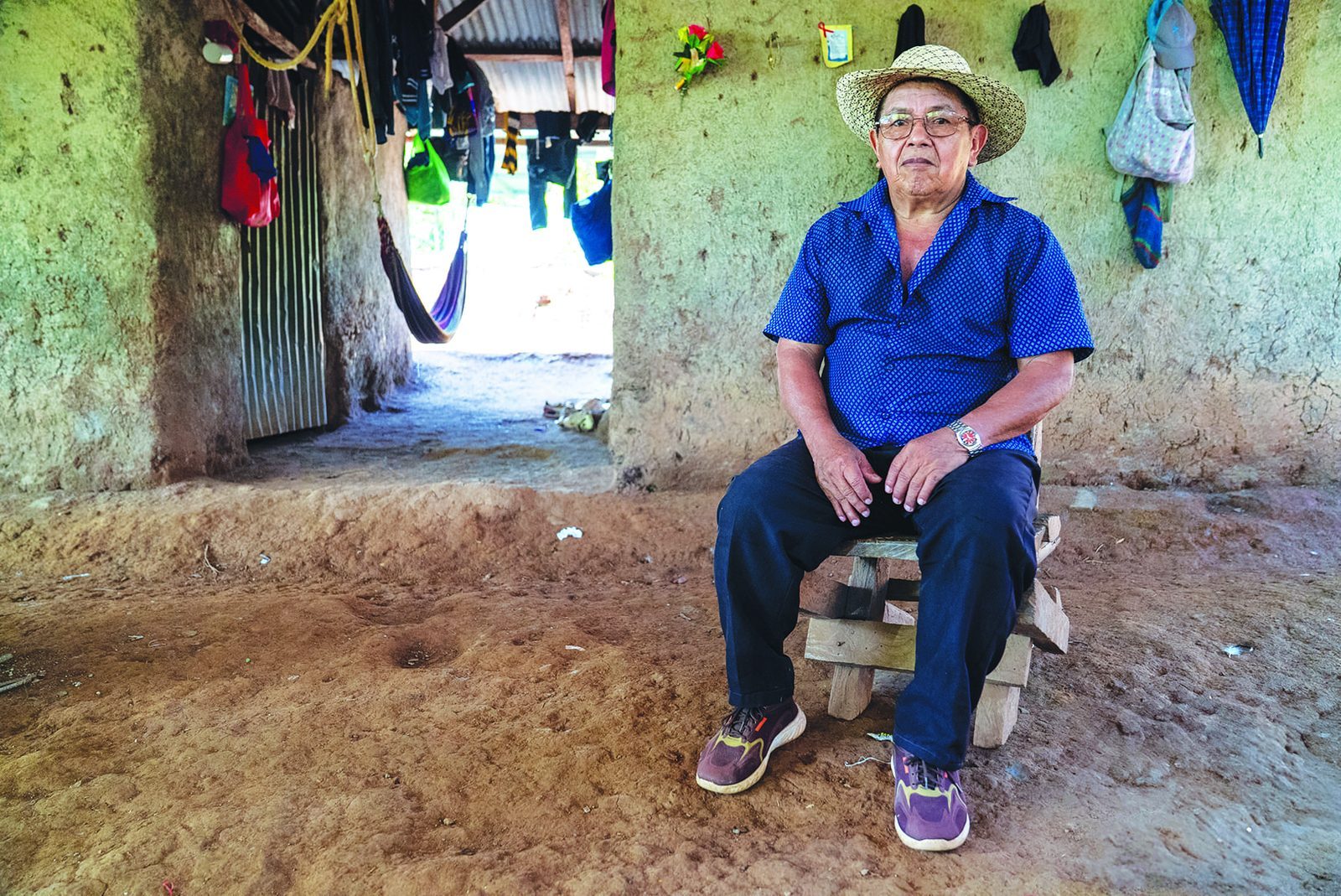
"The project came to our district because I was in contact with Professor Francisco Herrera, a retired history and anthropology teacher who works at CEASPA (Panamanian Center for Social Studies and Action Association), during a seminar I organized here," explains Pedro Nola, former president of the Ngäbe-Buglé General Congress. "I told him I thought a reforestation project would be good if the community accepted it. We would have to explain the goals and sign a written agreement. I said that because, in the case of the pine trees, there was never a signed document guaranteeing that the project would truly benefit the community in the future," Nola adds, referring to previous issues with pine trees planted for community use during the Torrijos Herrera and Noriega administrations.

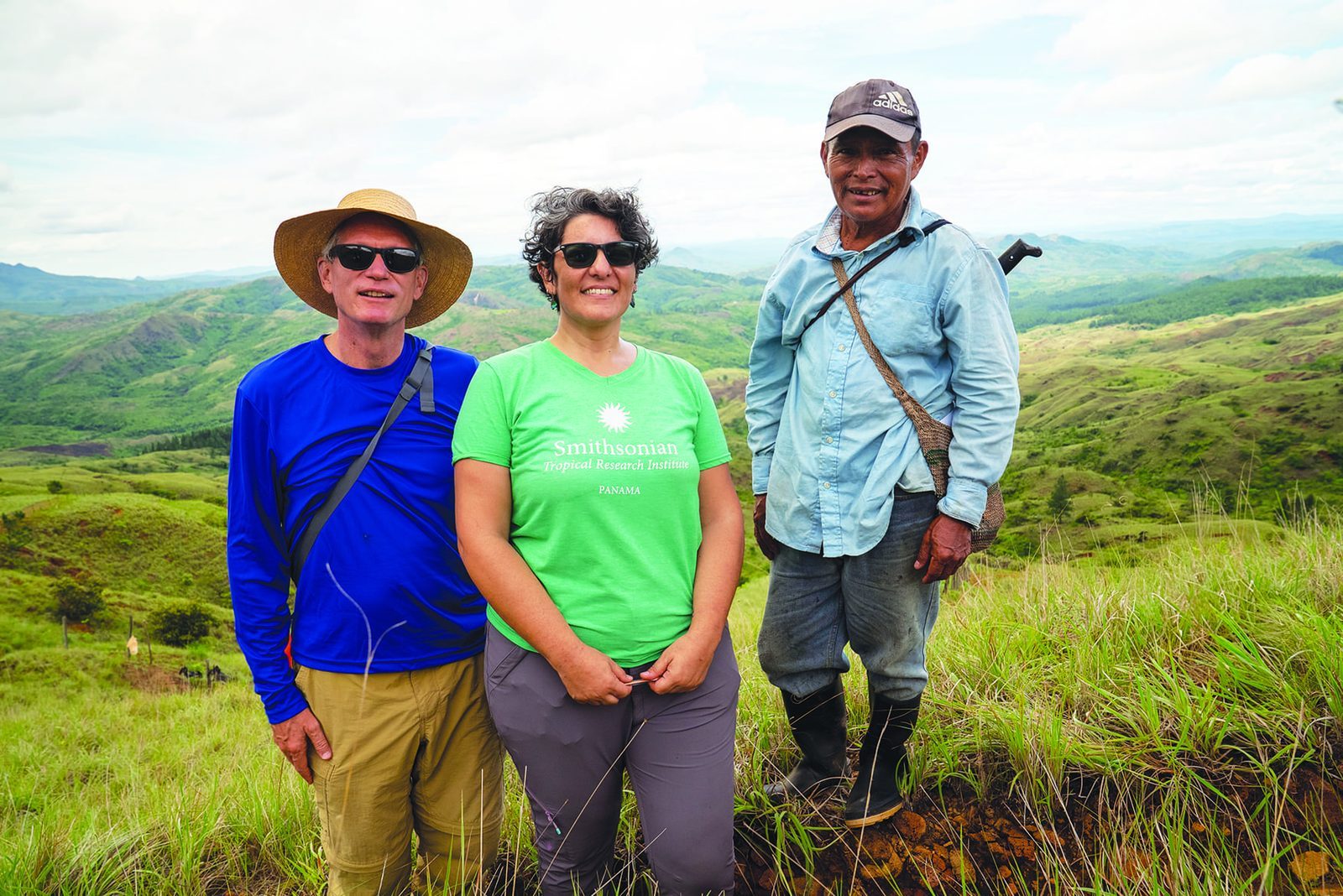
Bringing Smart Reforestation® to the comarca entailed several challenges distinct from those faced at the Agua Salud site in the Panama Canal watershed: the dry season is longer, the local tree diversity was unknown, and there were governance challenges, underscoring the need to work with the comarca leadership and to involve local communities. But Smithsonian staff scientist and Agua Salud project director Jefferson Hall saw not obstacles, but opportunities: "At Agua Salud, we had already learned a lot about the natural process of forest recovery in deforested areas, as well as how to intervene to accelerate recovery and which tree species can establish and grow in infertile and moisture-stressed soils."

The initiative in the comarca is a 20-year project with a clear goal: to reforest 100 hectares with plots containing a mix of about 30 native tree species. But the project also has added benefits. For the first four years, plot landholders commit to following maintenance and fertilization recommendations in exchange for payments for their labor in the plots, with all supplies and equipment provided. Because reforestation helps mitigate the effects of climate change while storing carbon, these financial aids are a kind of carbon payment. After the first four years, landholders will receive a payment of $130 per hectare per year until the project completes its 20-year term, as compensation for monitoring the plots and protecting them from fire, which seems to have been less common lately. At the end of 20 years, landholders will decide the future of the trees. Furthermore, they can leave the project at any time with no penalty.

"We were clear about our commitment to work together and respect the community's decisions. We overcame potential barriers through collaboration and by following through on our commitments."

Jefferson Hall

Agua Salud Project Director

"I work my land as a paid job, which doesn't happen much around here... it's a benefit because I'm working my plot, but I'm helping myself, my children, and my nephews who also work with me," says Isidro Hernández, who maintains one and a half hectares dedicated to the project. "There's also a water source on that plot, and I thought of reforesting it so it can stay alive," he adds.

"What I liked most about this project is that it's been done hand in hand with the landholders and families from the very beginning. We didn't take a single step without consulting them, and it's beautiful to see that, beyond caring for the trees, their children can now go to school because their parents are receiving an income," Adriana explains.

Working hand in hand with the local Indigenous leaders and residents while recording data on the growth of the planted trees opened a unique opportunity for this transdisciplinary project: to pair the ecological research with social science and environmental justice research. To collaborate in this endeavor and ensure equitable reforestation in the project, Cornell University researcher Reem Hajjar, together with CEASPA, led a participatory survey to understand how carbon payments are perceived in the community, including their effects on enhancing ecosystem services and local livelihoods. The baseline survey undertaken in 2025 will be repeated two years later to assess changes. The results will be crucial for the success of the overall reforestation project and for the implementation of new reforestation community-based proposals in the future.

Interactions and More Interactions

Understanding which tree species grow best to inform future reforestation initiatives is another important goal of the reforestation project in the comarca. But Smart Reforestation® doesn't just aim to increase plant cover — it also seeks to transform a plot into a self-sustainable forest, with long-lived trees that reproduce naturally without human intervention.

Bee on a flower in a reforestation plot

"Plants, in their tremendous diversity, depend on pollen transfer to reproduce and maintain genetic diversity — which is mostly done by pollinators such as bees; a highly diverse and specialized group," explains Global Centre on Biodiversity for Climate (GCBC) and STRI fellow Danny Hernández Cuadra.

Danny Hernández Cuadra

GCBC and STRI Fellow

Danny Hernández Cuadra and Gabriel Santo examining bees

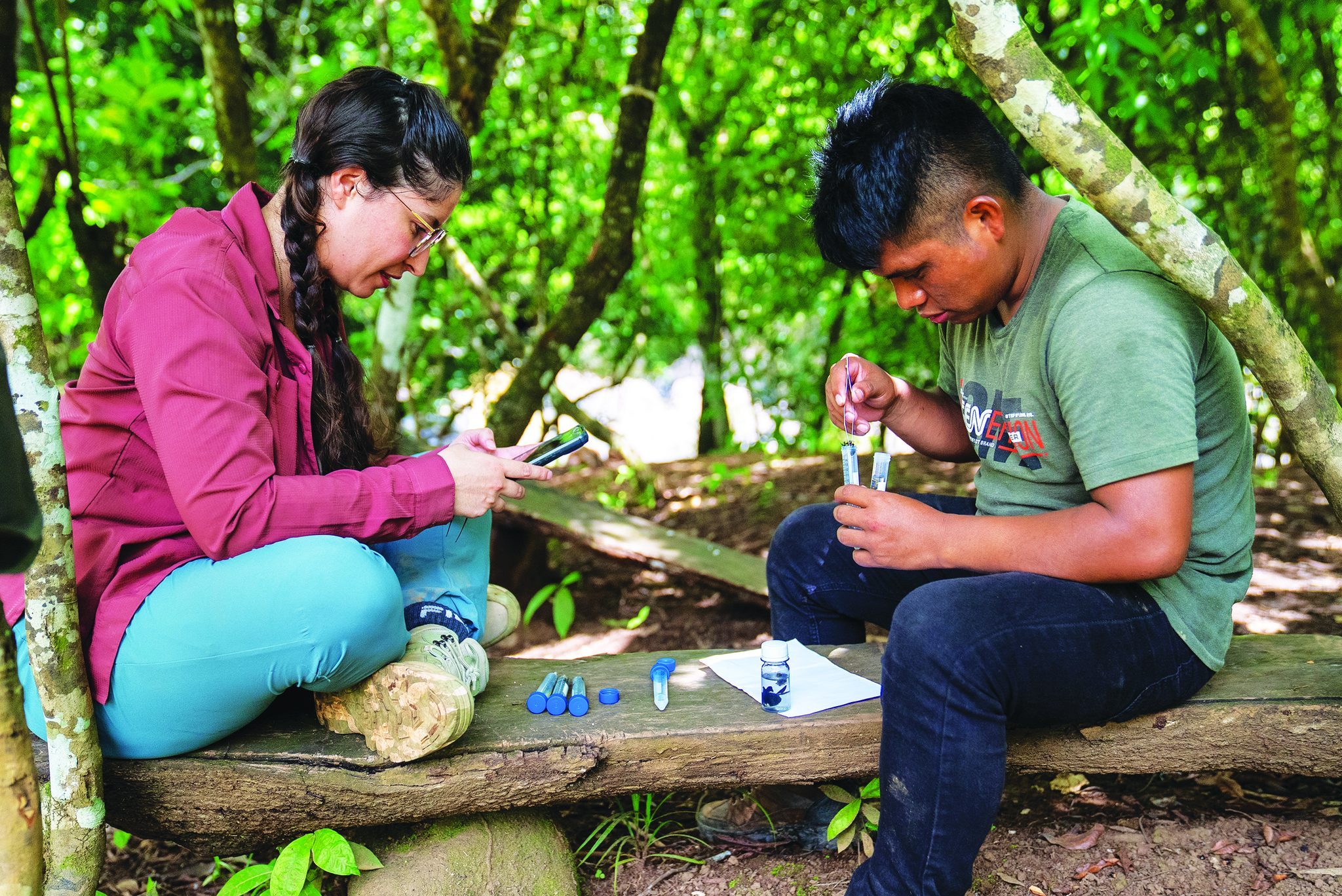
STRI fellow Danny Hernández Cuadra and STRI intern Gabriel Santo examine some recently collected bees from the reforestation plots in the Ngäbe-Buglé Comarca. "All terrestrial ecosystems have associated vegetation, and in many of them, bees play a key role as pollinators," explains Hernández.

Danny is part of a team of STRI researchers led by STRI staff scientist William Wcislo, who study bee diversity in some of the plots established in the comarca, leveraging the reforestation project.

The landholders and their family members also actively participate in this initiative, helping with bee censuses and informing scientists about the location of stingless bee nests, in exchange for payment for their local knowledge and work time. The goal is to use repeatable methods to establish a baseline of bee species' richness and abundance at select reforestation plots, long before any of the planted seedlings produce flowers. In the future, bee diversity could be reassessed using the same methods. Scientists will also begin documenting plant-bee interactions by analyzing pollen collected from bees in traps, to identify which plant species are visited by bees, whether those plants are inside the plots or nearby crops that local families rely on.
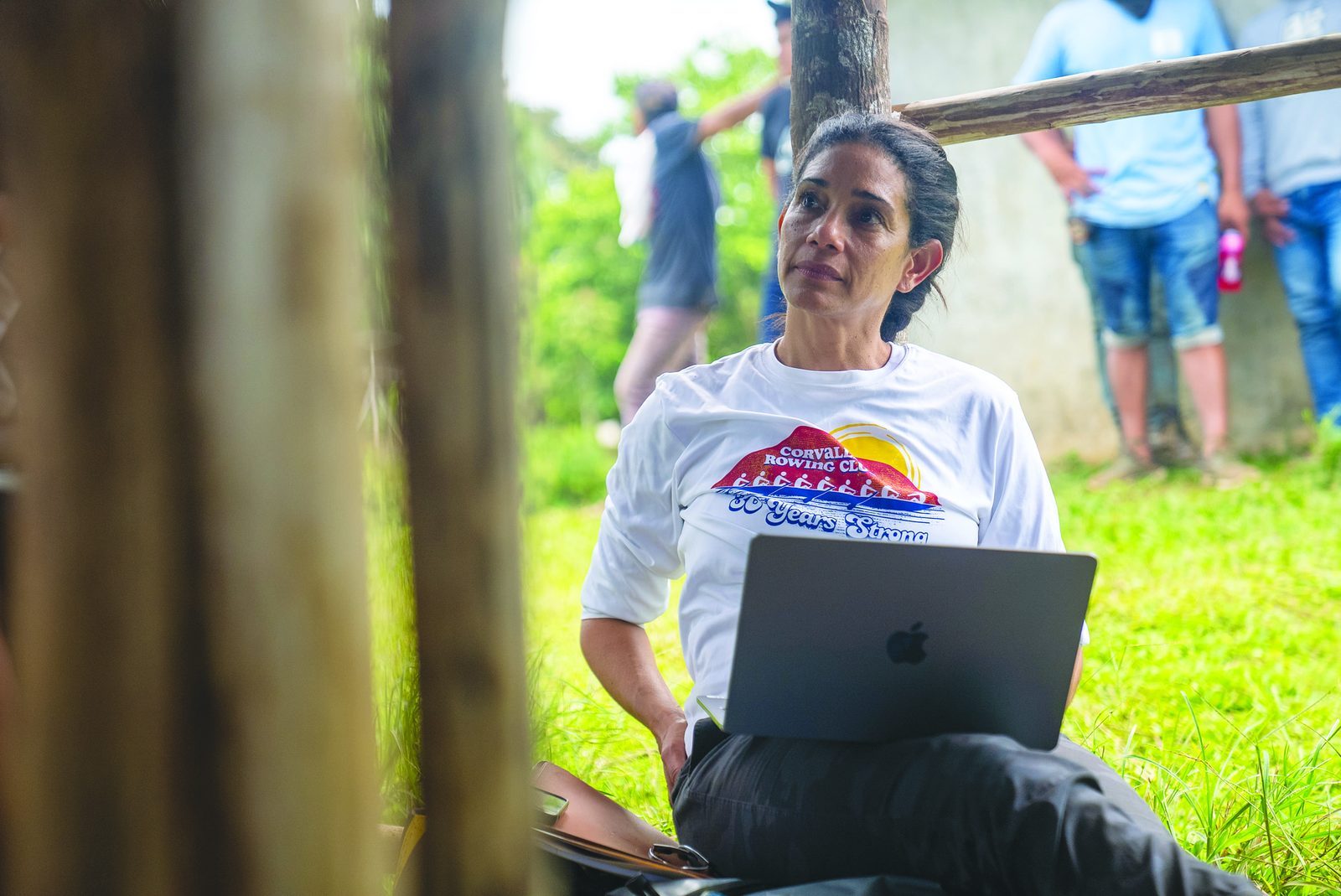
"This project is also conducting environmental education activities to teach schoolchildren about the diversity of bees in the comarca and their ecological importance," explains Gabriel Santo, a Ngäbe intern in this project. Gabriel also translated a children's coloring book about the importance of bees into Ngäbe, one of the local Indigenous languages spoken in the comarca. The trilingual book was written in Spanish by Danny Hernández Cuadra and William Wcislo and translated into Buglé, another local language, by a participant in the project, León Santos. Damond Kyllo designed and drew the coloring book and helped with writing and ideas. Some students in local schools in the Ñürüm district received a copy of the book and a box of colored pencils during educational outreach programs.

Thanks to the Ngäbe-Buglé community and their generosity in opening their lands and collaborating with Smithsonian researchers, science is taking root here — offering an opportunity to show how local and scientific knowledge can come together to transform the future of ecosystems and their surrounding communities. From studying native trees for over 100 years on Barro Colorado Island in the Panama Canal, to studying plots with different land uses in the Canal watershed near the city, and now beginning to understand the interactions among reforestation, bees and local communities, science bridges life in the countryside and life in the city.

Pollinator bees

A Community Forest

Where Nature and Culture Connect

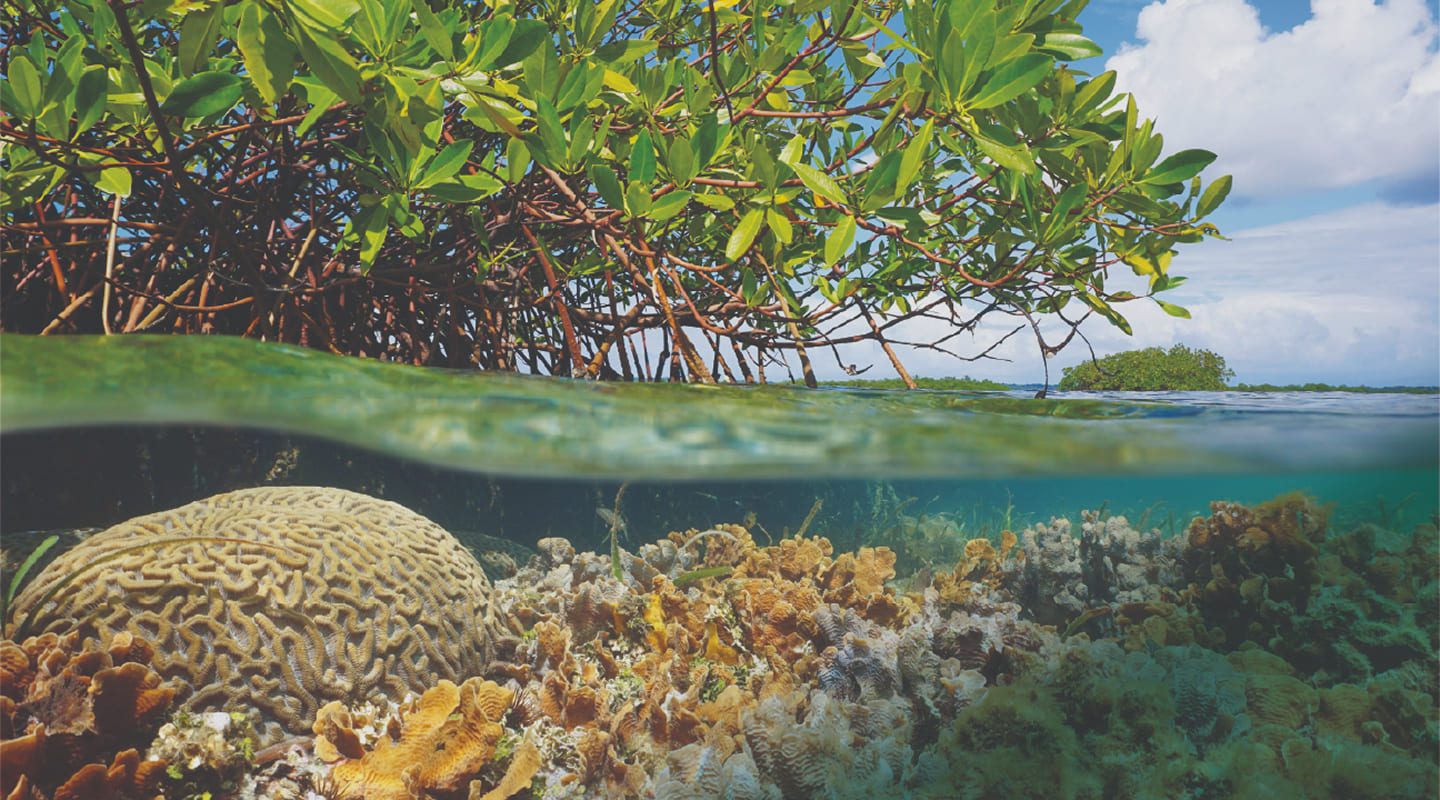
Thanks to the natural services they provide and the carbon they capture, mangroves are considered essential ecosystems. In Panama, they're also of invaluable cultural importance to the communities that interact with them.

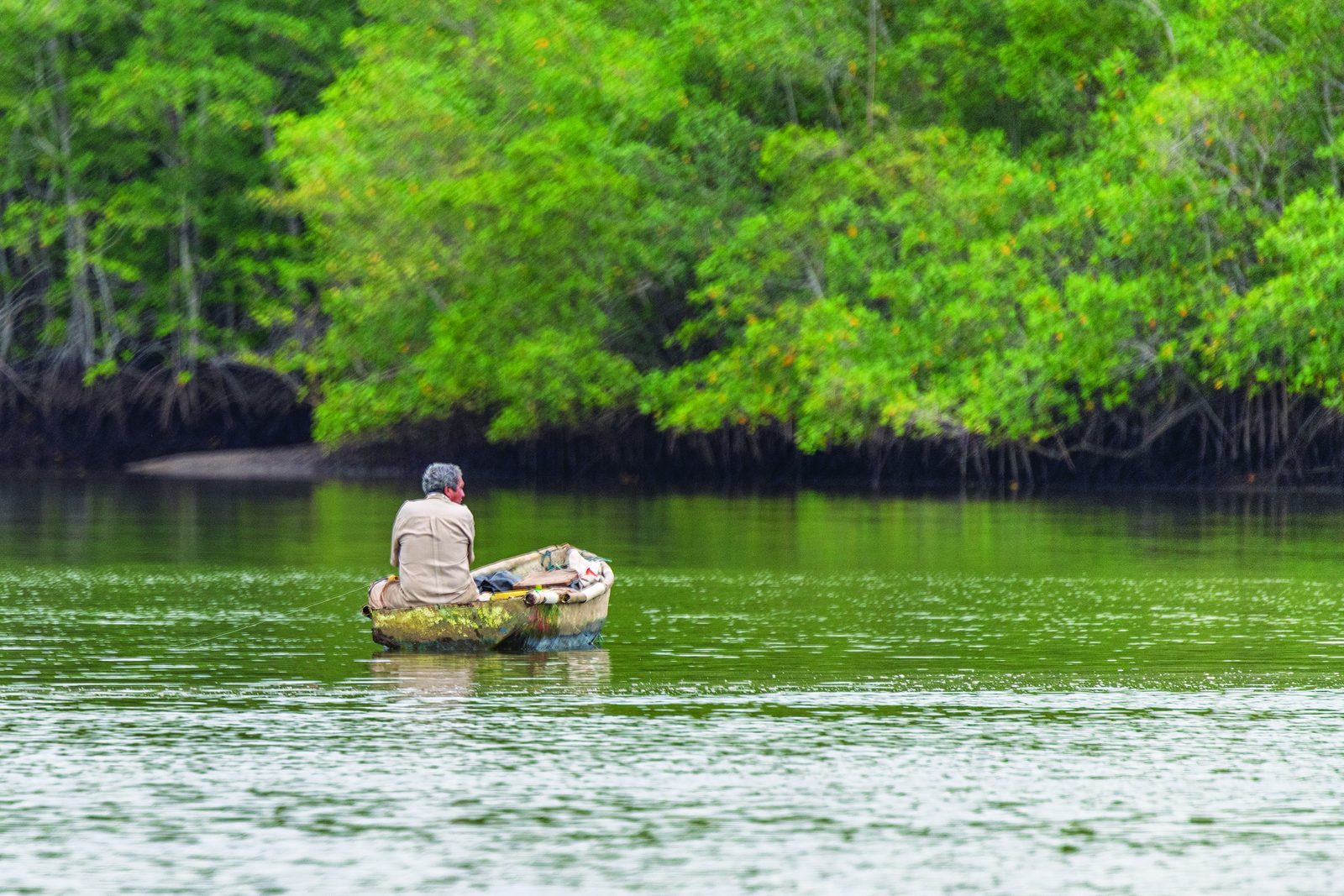
As a child watching traditional fishing of mangrove clams and crabs on the Pacific coast of Panama, Tania Romero never imagined she would one day be navigating those same swamps as a researcher, championing mangroves and their crucial role in the fight against global warming.

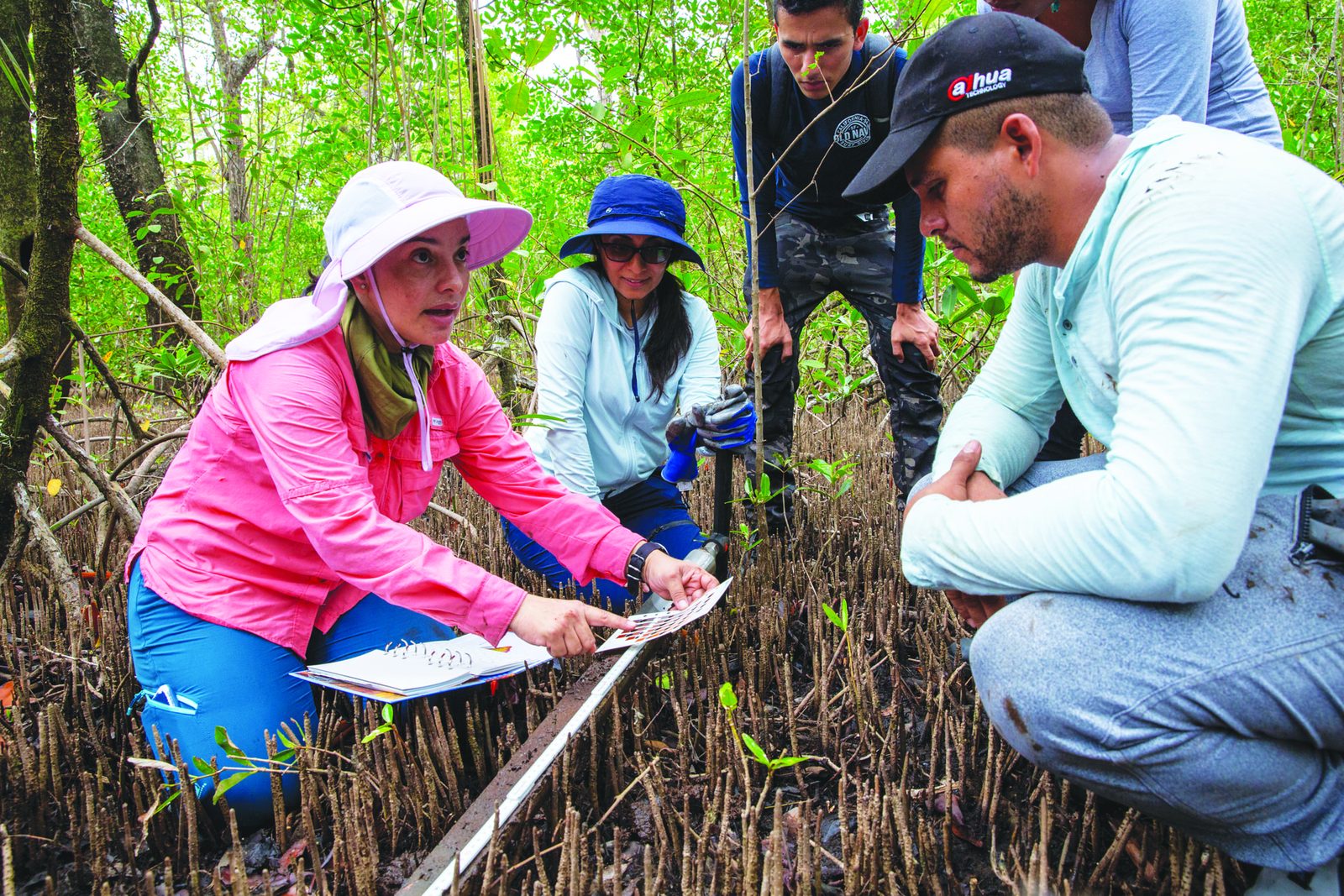
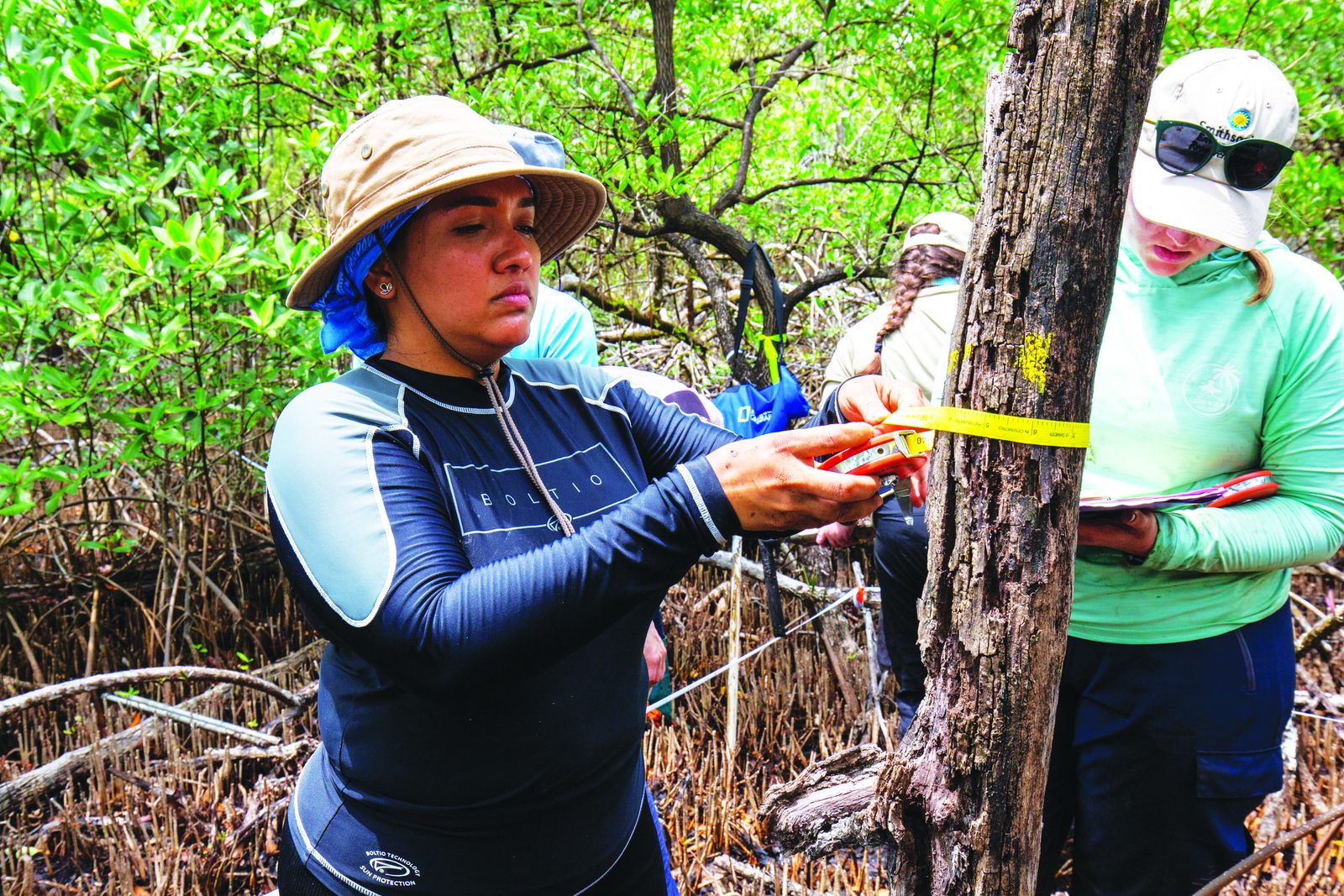
"The well-preserved forests of the Panamanian Pacific are like an enchanted forest. We can't help but feel like elves and faeries under their immensity, which is in stark contrast to the highly-impacted mangrove forests, where it's far from a fantasy story," says Romero, manager of the Collin Lab at STRI.

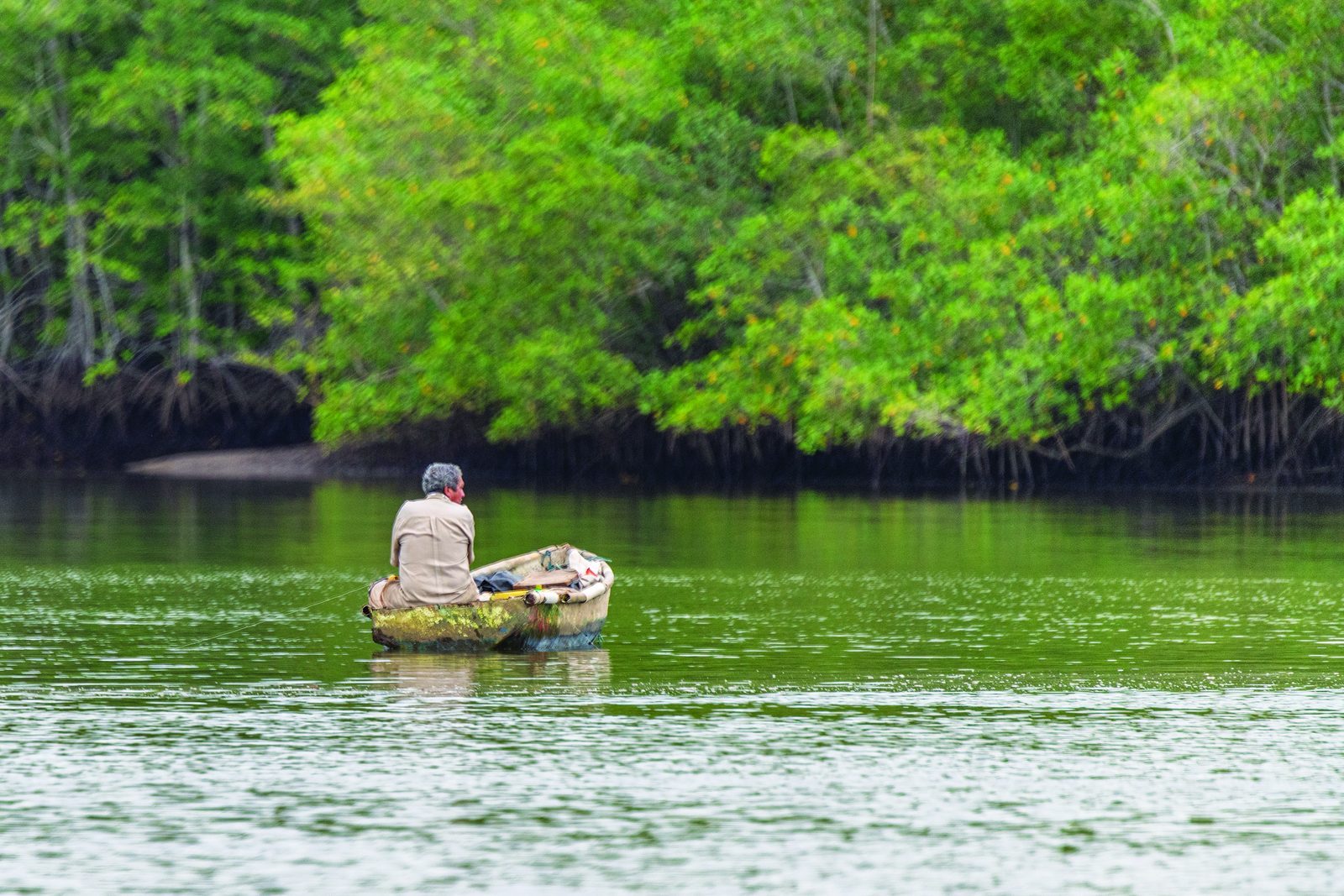
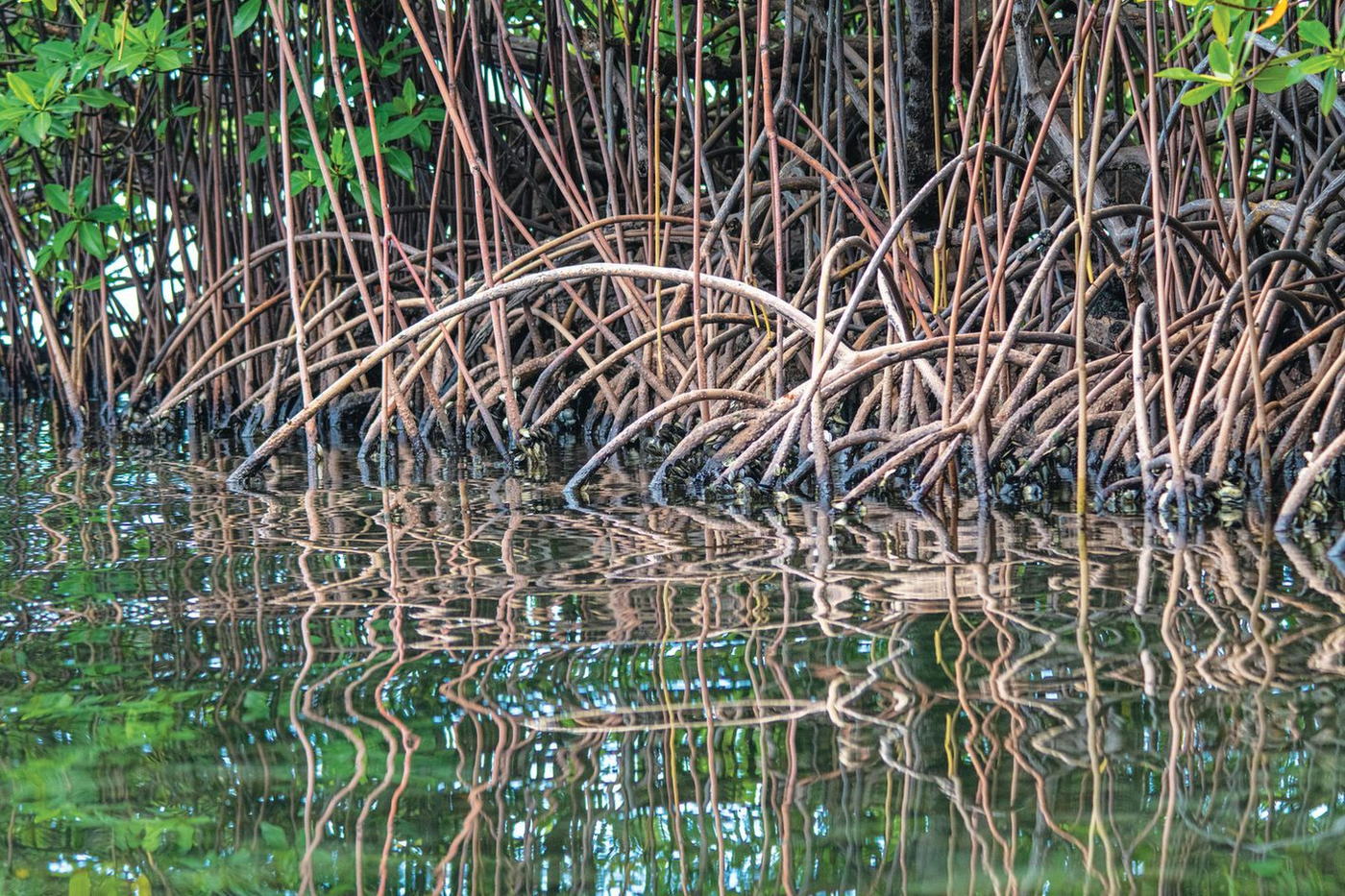
If resilience is the ability to adapt to adverse conditions, then mangroves are some of the most resilient trees in existence. Growing mainly along coastlines, withstanding harsh winds and waves, mangrove tree roots developed the ability to absorb extra oxygen and to filter salt from brackish water and seawater.
For millennia, mangroves have been crucial to human economic activities and wellbeing. They play an essential role in protecting the coasts from erosion, tidal waves, and weather events; they shelter land and coastal biodiversity; and they provide food and other goods to surrounding coastal communities, such as fisheries, wood for charcoal or for construction, and much more. "Mangroves act as a buffer zone, simultaneously performing functions for terrestrial and marine systems," says Romero.

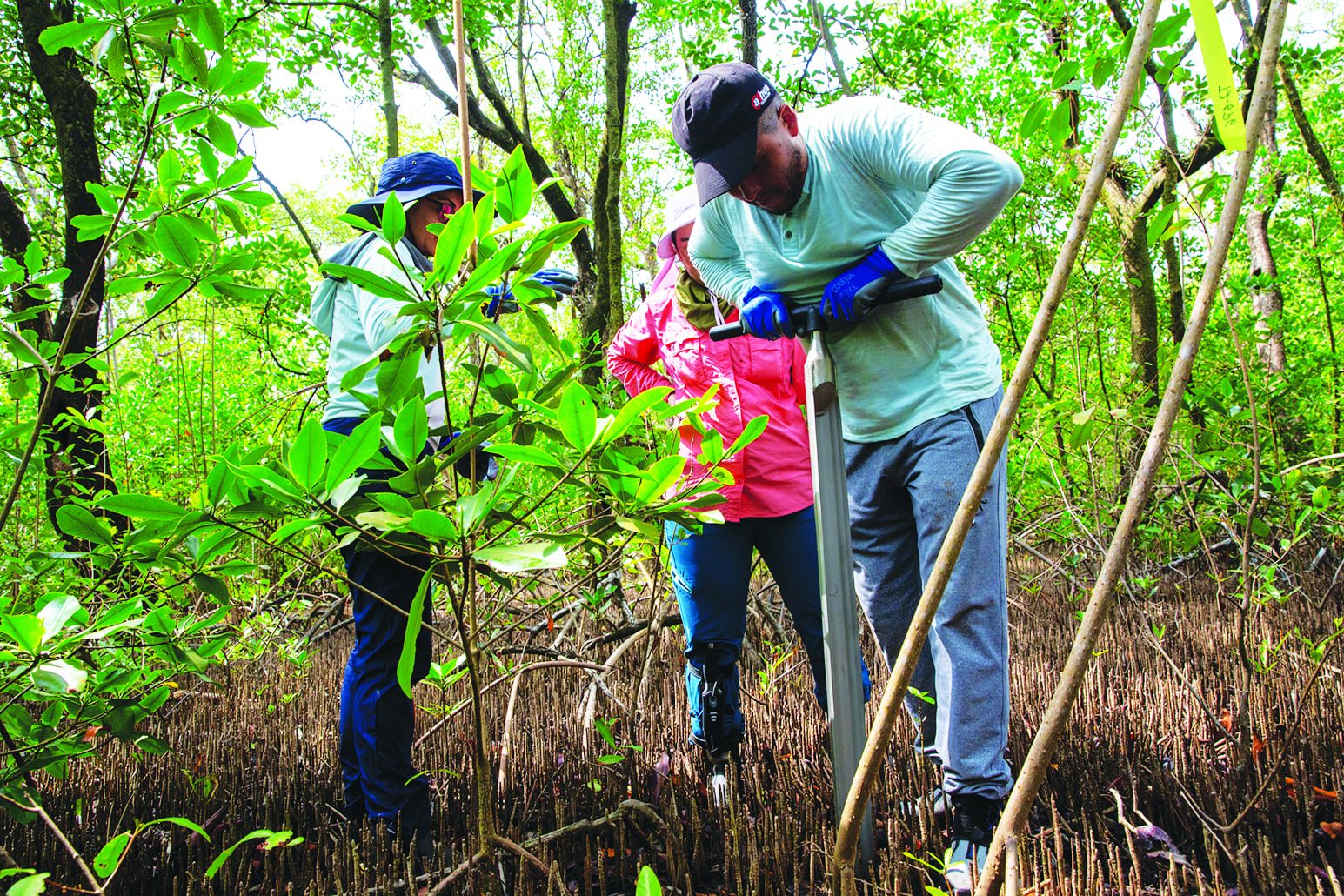
Mangrove trees also store important amounts of carbon, reducing carbon dioxide, the main greenhouse gas warming the planet. Just like terrestrial trees and plants, they absorb carbon dioxide from the atmosphere through photosynthesis and store it in their trunk, roots and leaves, creating biomass; but thanks to their root system, mangrove ecosystems also store carbon in the sediments and soil. According to a recent study in the journal Nature, tropical mangrove forests can store up to four times more carbon than their terrestrial counterparts. The carbon stored by mangrove forests and other marine and coastal ecosystems, like seagrasses and salt marshes, is known as "blue carbon".

"Terrestrial forest soils are organic down to about a 30-centimeter limit, as a rule, but in a mangrove the soil can extend down as far as ten meters. That's ten meters of organic material preserved," says Romero.

Measuring tree biomass to estimate how much carbon is stored in forests around the world can be helpful in devising more effective action plans to slow global warming. And while terrestrial forests have been the focus of global carbon counting initiatives, there is increasing interest in blue carbon counting.

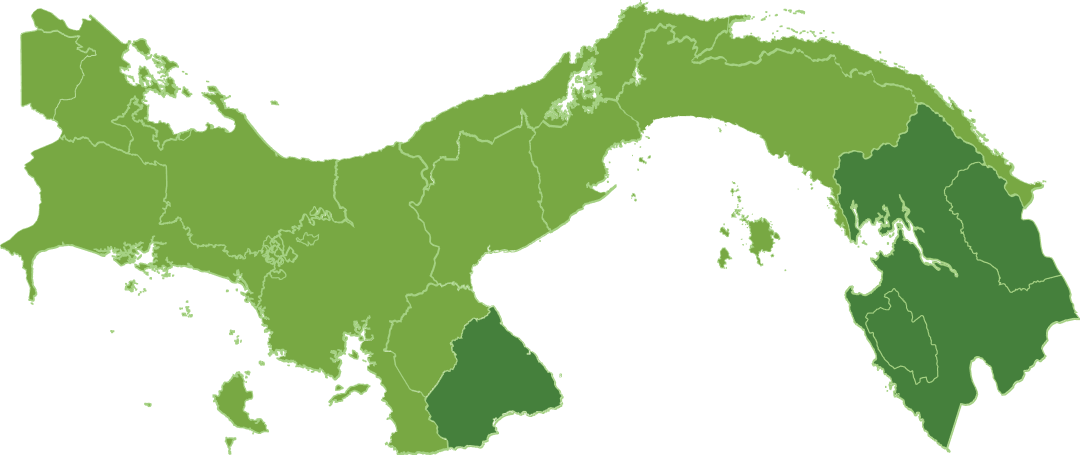
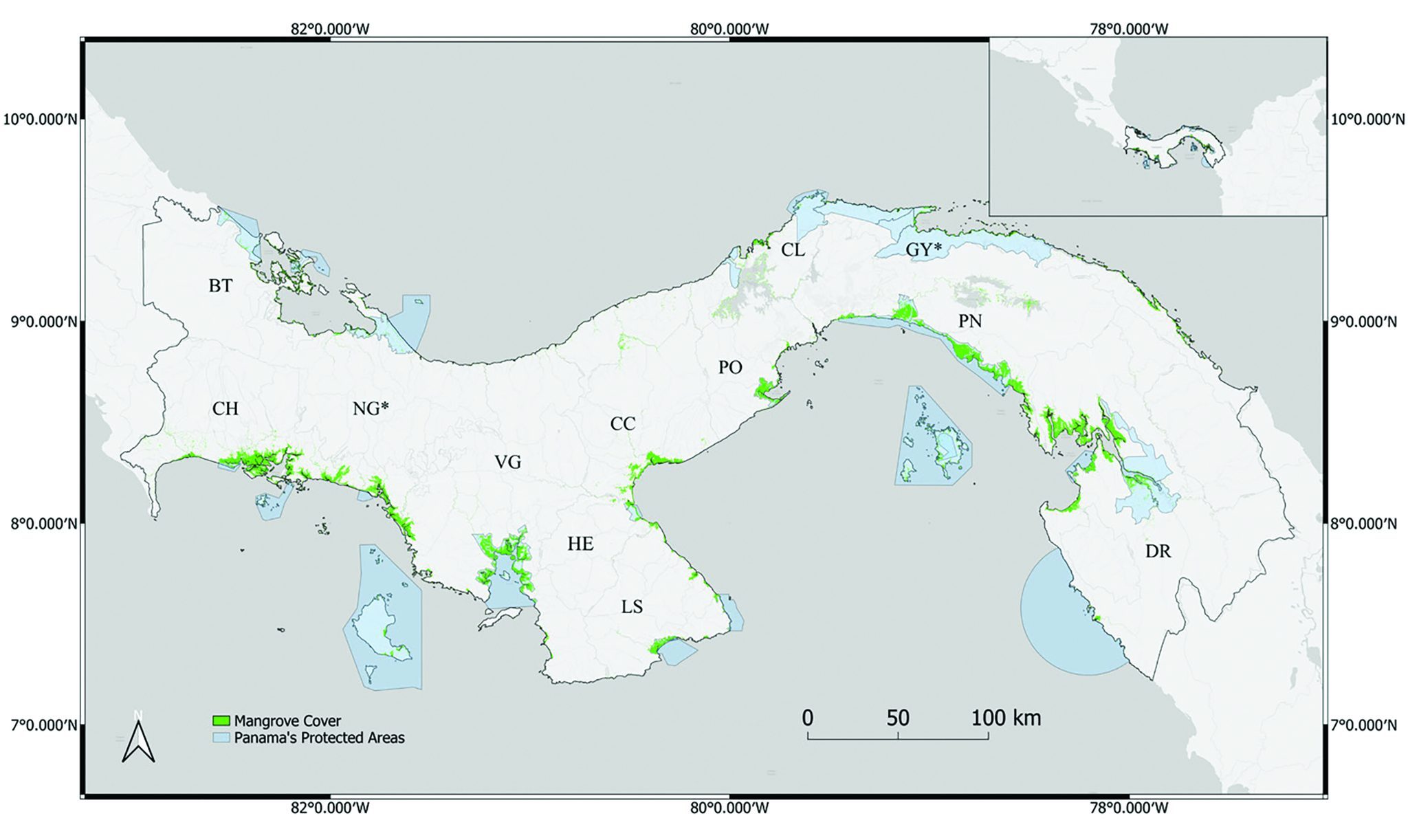
Map of mangrove coverage in Panama
The largest areas of mangrove coverage in Panama are the coasts of Darien Province, the Bay of Panama, the Gulf of Montijo and the Gulf of Chiriquí, with well-preserved areas that have massive trees. Map from Viquez et al., published in Bulletin of Marine Science.

Panama has the most extensive mangrove forests in Central America, with twelve different species lining the Atlantic and Pacific coasts, making it an ideal place to study mangrove carbon counting as well as monitoring mangrove health and how they cope with pressure from human activities and environmental changes.

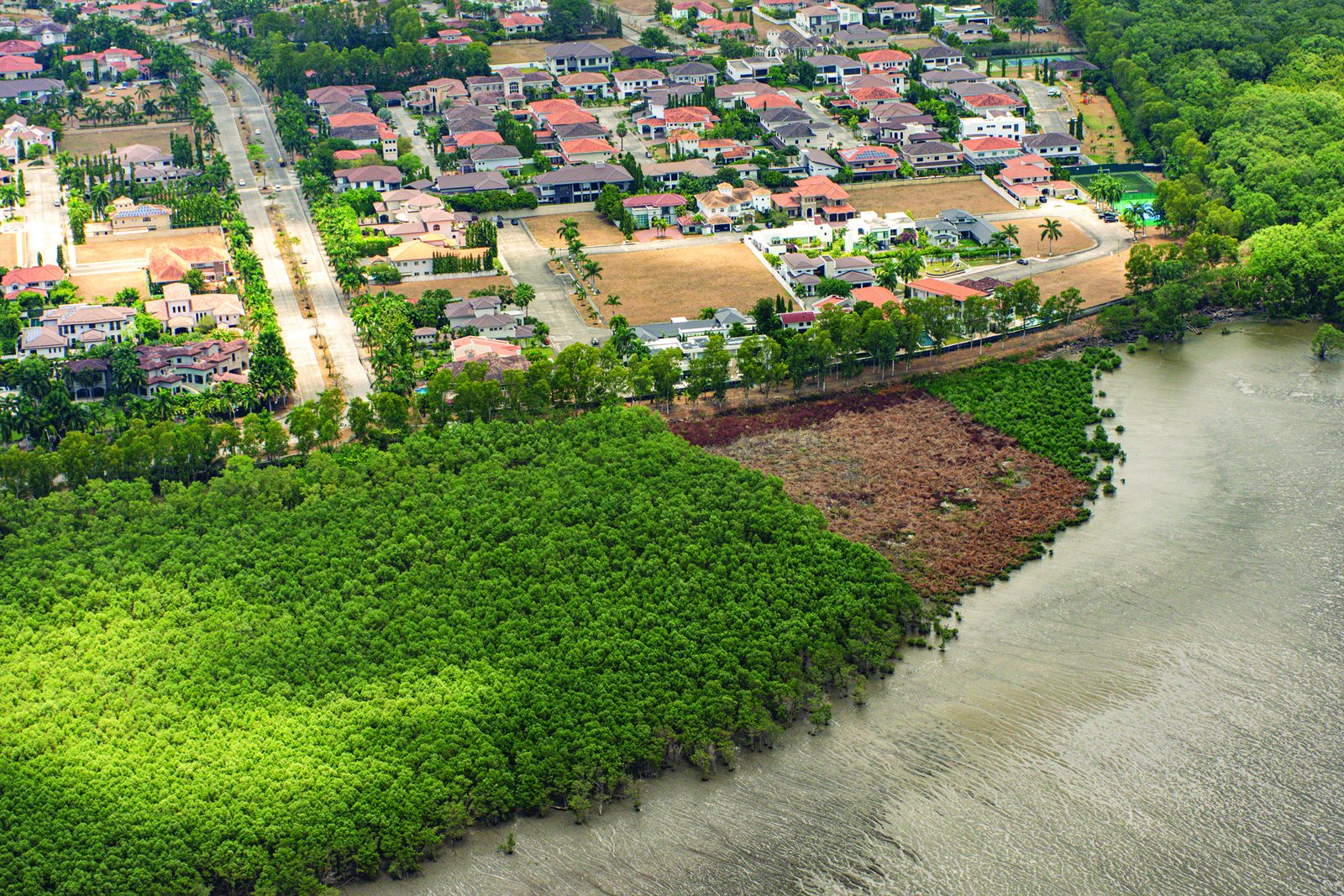
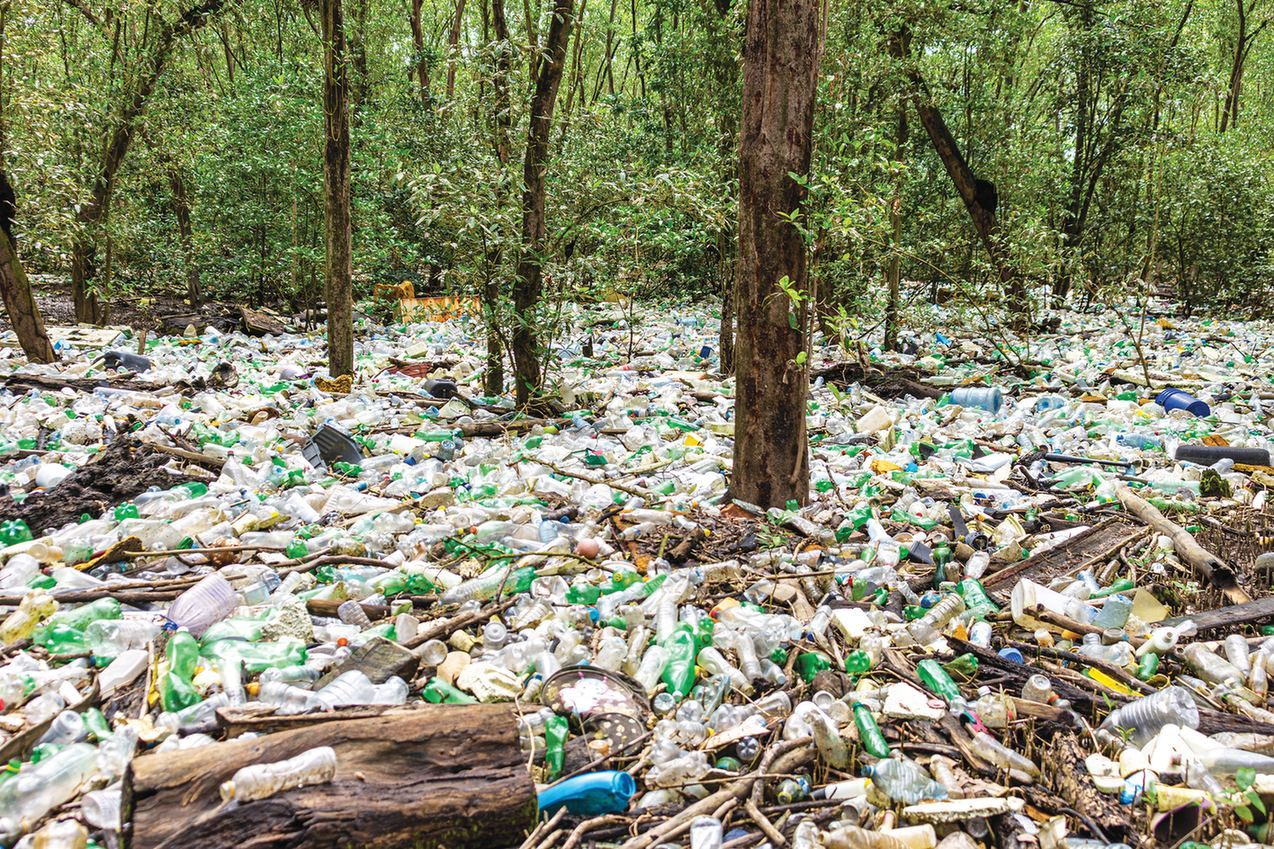
Besides factors like rising sea levels, deforestation, pollution, excessive fishing, and natural climate events like El Niño-Southern Oscillation, mangroves deal with the consequences of agriculture, cattle ranching, housing development, tourism, and more that exert a lot of pressure. "If you disturb a mangrove area for agriculture or for construction or anything else, not only are you losing forest cover, but you're also disturbing the soil, and all the gasses trapped in it are released," Romero adds.

As one of Panama's leading blue carbon experts, Romero and researchers from the Smithsonian Environmental Research Center (SERC) held a workshop in 2024 to share carbon counting techniques with stakeholders in Panama, as part of the country's blue carbon initiative and commitment to the International Climate Change Convention.

Funded by The Pew Charitable Trusts, this blue carbon workshop hosted participants from diverse sectors, including Panama's Ministry of Environment (MiAmbiente), conservation groups, Indigenous groups, fishers, researchers, and more.

"There was a vision to use mangroves' natural function of storing carbon as a long-term conservation tool," Romero explains. "And also, to promote the conservation of mangroves as tools of climate mitigation and adaptation, because they protect coastal zones and are a source of food for many communities."

During a talk at the National Congress on Science and Technology APANAC 2025, in Panama City, Romero shared the findings of a study on carbon storage in different species of mangroves in Panama, and explained that long-term monitoring is necessary to better understand the dynamics of mangroves, especially how they cope and recover after disturbances like deforestation, and how to better protect them.

Although the blue carbon workshop ended, Panama still has commitments to fulfill, in order to put the well-being of mangrove ecosystems at the forefront of the decision-making process for coastal protected areas and mangrove management practices.

"A natural mangrove forest stores a lot of carbon, so if you cut it down, you're not just losing the trees, but the carbon from the soil that probably took thousands of years to accumulate goes up into the atmosphere," states Rachel Collin, STRI staff scientist leading the Collin Lab in Naos Laboratories, and director of the STRI Bocas del Toro Research Station, as well as a Simons Foundation Pivot Fellow.

While reforesting mangroves may seem like an effective conservation practice, how much carbon can small trees capture as they grow? And what about all the carbon that gets released back into the atmosphere?

"You lose so much more carbon by destroying an existing mangrove," Collin adds. "If you plant a new one, the small trees take decades before they start to really store carbon. Reforestation is not replacing the mature mangrove forest that you killed. The best method is to preserve what you already have."

Community roots

While blue carbon is rising in popularity as a driver to protect these coastal ecosystems, there is more to mangroves than the quantifiable services and economic benefits they provide.

"These multi-dimensional ecosystem have a lot of different values. The total value is higher than if you only view it as carbon storage or for fisheries," says Collin.

A study published in 2024 in the journal Human Ecology examined the Cultural Ecosystem Services (CES) of mangroves in Bocas del Toro, in the western Caribbean coast of Panama; Cultural Ecosystem Services refer to the benefits ecosystems provide that have non-monetary value, but are intrinsic to the identity and values of the communities that interact with them, in terms of cultural importance, mental health benefits, emotional connection, Indigenous ecological knowledge, and more.

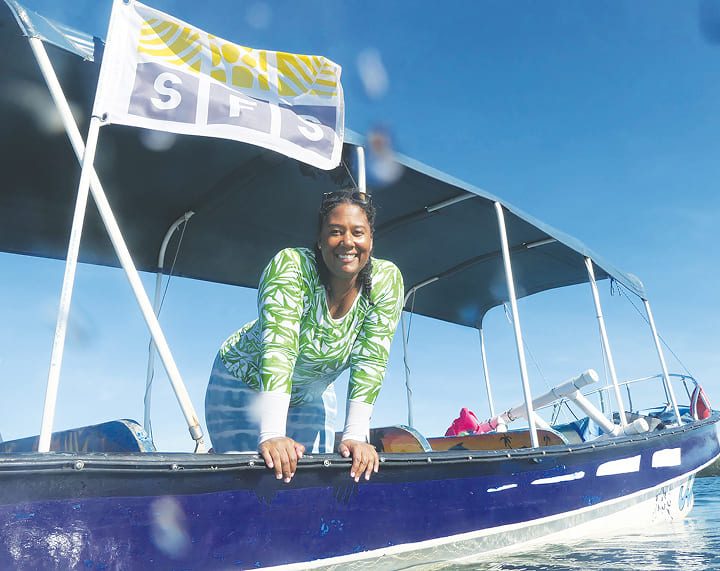
"After years of looking underwater at mangroves, and their habitat complexity, one day I looked above the water while I was snorkeling, and thought, if all of these mangroves suddenly weren't here, how would people feel and how would they manage?" said Cinda Scott, Co-Director of Ocean Nexus, who co-authored the paper when she was Director of the School for Field Studies in Bocas del Toro. "We depend so much on mangroves in more ways than imaginable."

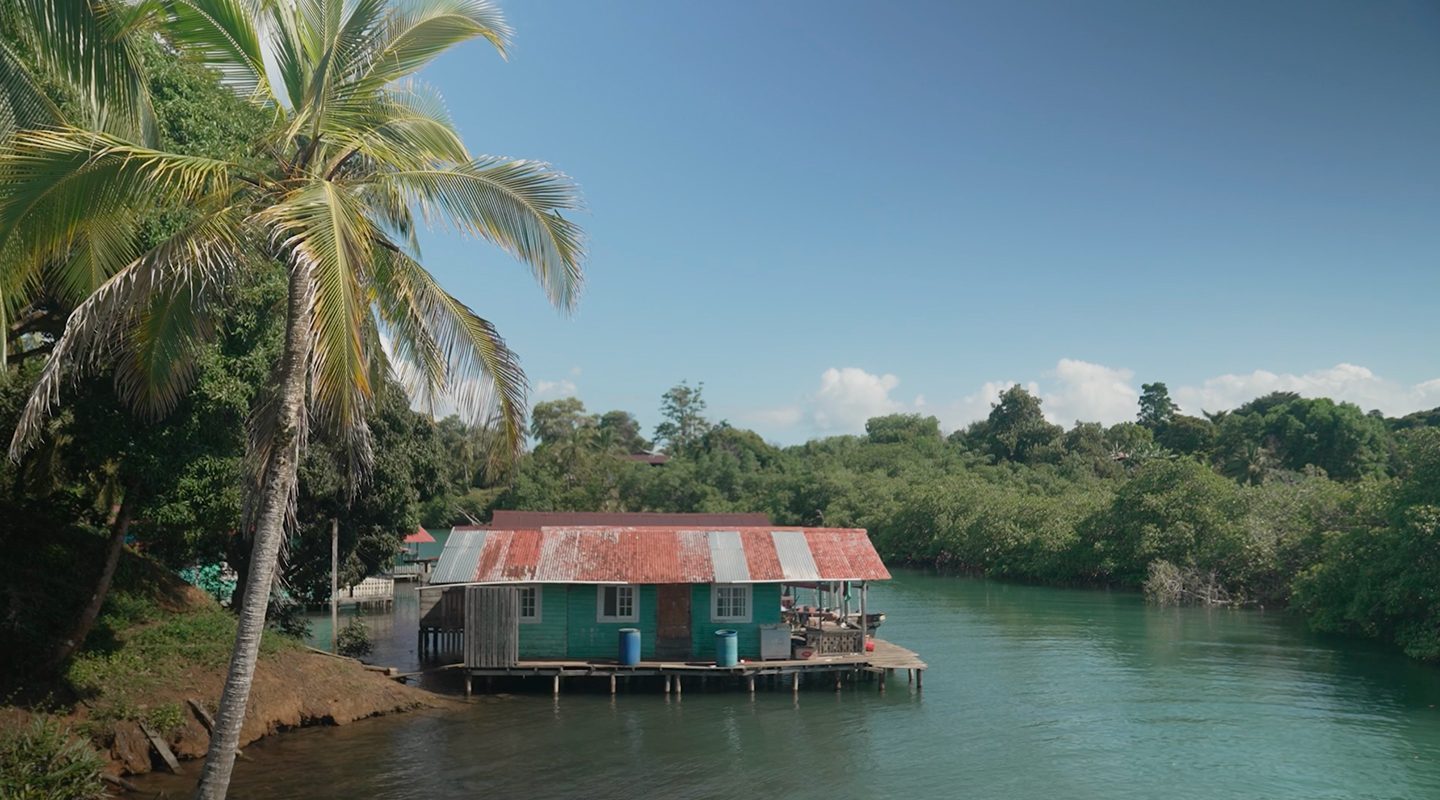
During this study, researchers interviewed people who live close to mangroves in Bocas del Toro: some respondents said that mangroves provide a place for community, camaraderie and to escape from depression and other troubles.

As local stakeholders, coastal communities are essential for managing mangroves effectively, designating protected areas, and establishing conservation policies.

Scott adds about the results: "Much is written about the economic value of mangroves, but not much is understood about how much people value mangroves, how important they are for their identity."

Mangroves of Panama

"After years of looking underwater at mangroves, and their habitat complexity, one day I looked above the water while I was snorkeling, and thought, if all of these mangroves suddenly weren't here, how would people feel and how would they manage? We depend so much on mangroves in more ways than imaginable."

Cinda Scott

Co-Director of Ocean Nexus

Cinda Scott in mangroves

Ocean Nexus Co-Director Cinda Scott led a research project into the intrinsic, non-monetary value of mangroves to the communities that interact with them, from their cultural importance, mental health benefits, emotional connection, Indigenous ecological knowledge, and more. Photo courtesy: Cinda Scott.

Hand holding a hummingbird in the tropical forest

Once upon a time, there was an ocean
full of pearls

Photo: Jorge Alemán

Rescuing the history of pearl extraction in the Panamanian Pacific Ocean safeguards a meaningful legacy: the vital role that pearls have played in Panama's heritage. It highlights the essential link between history and local livelihoods that shapes how marine resources have been used, underscoring the shared responsibility we have in managing local resources to ensure their long-term conservation.

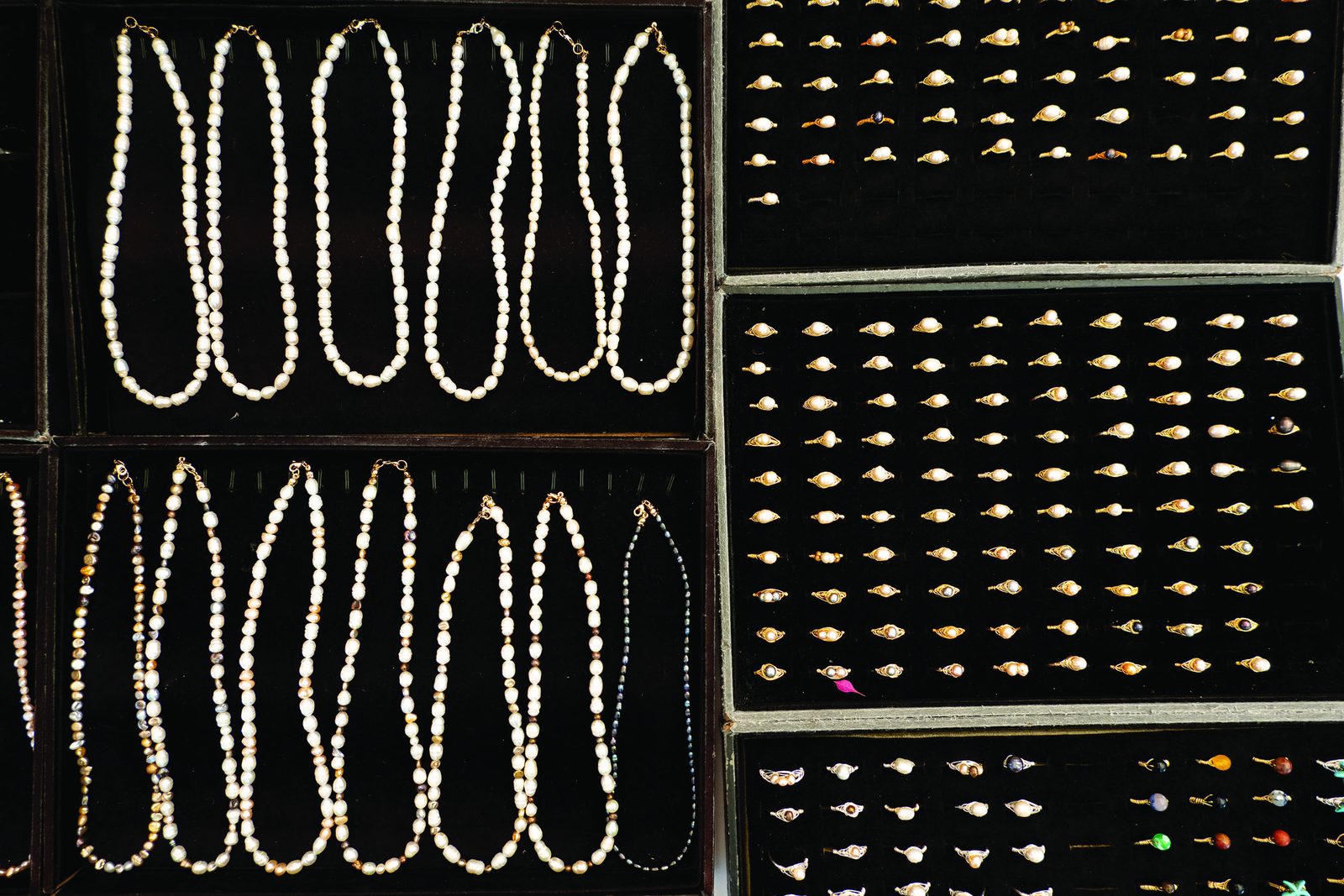
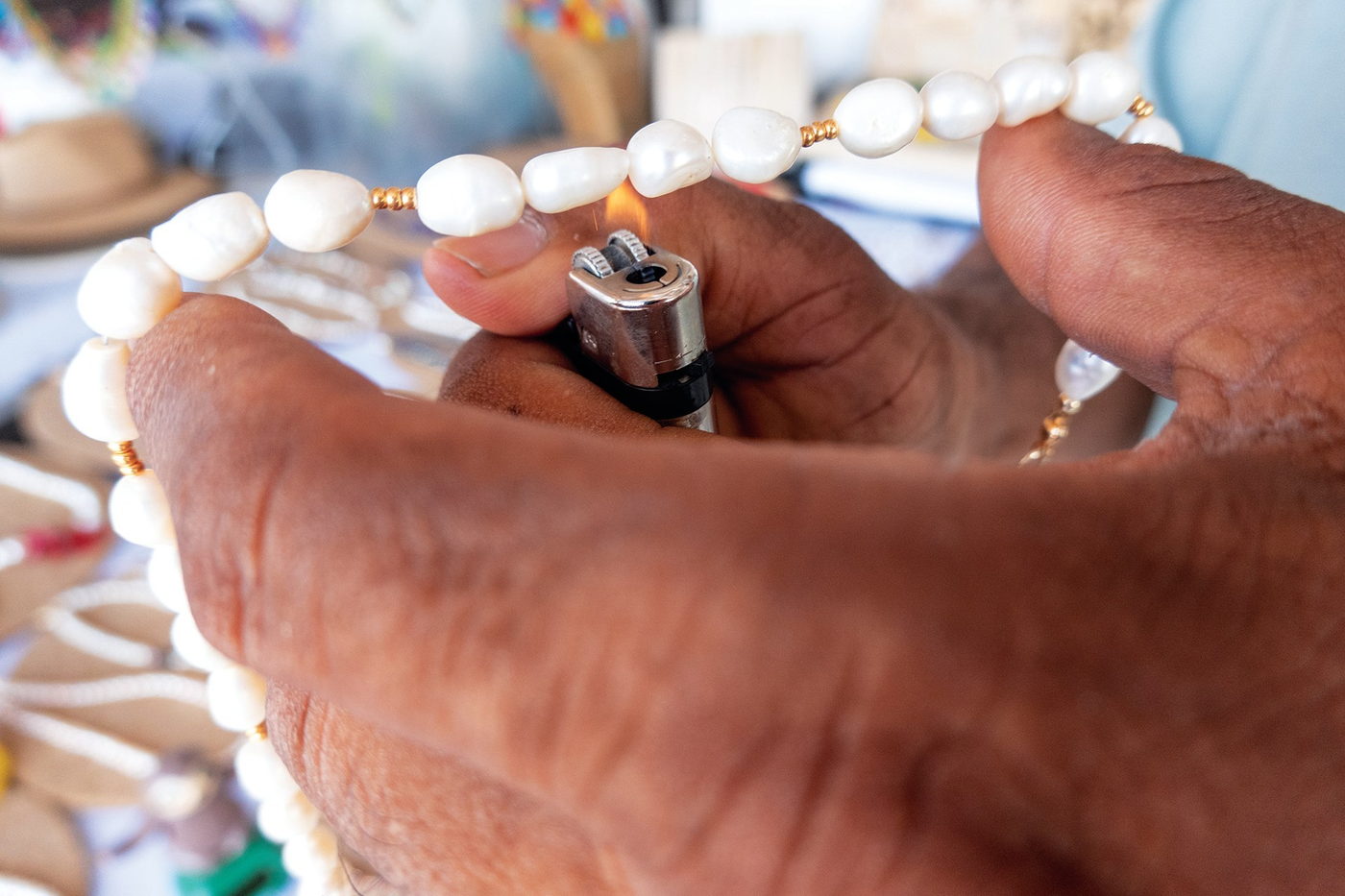
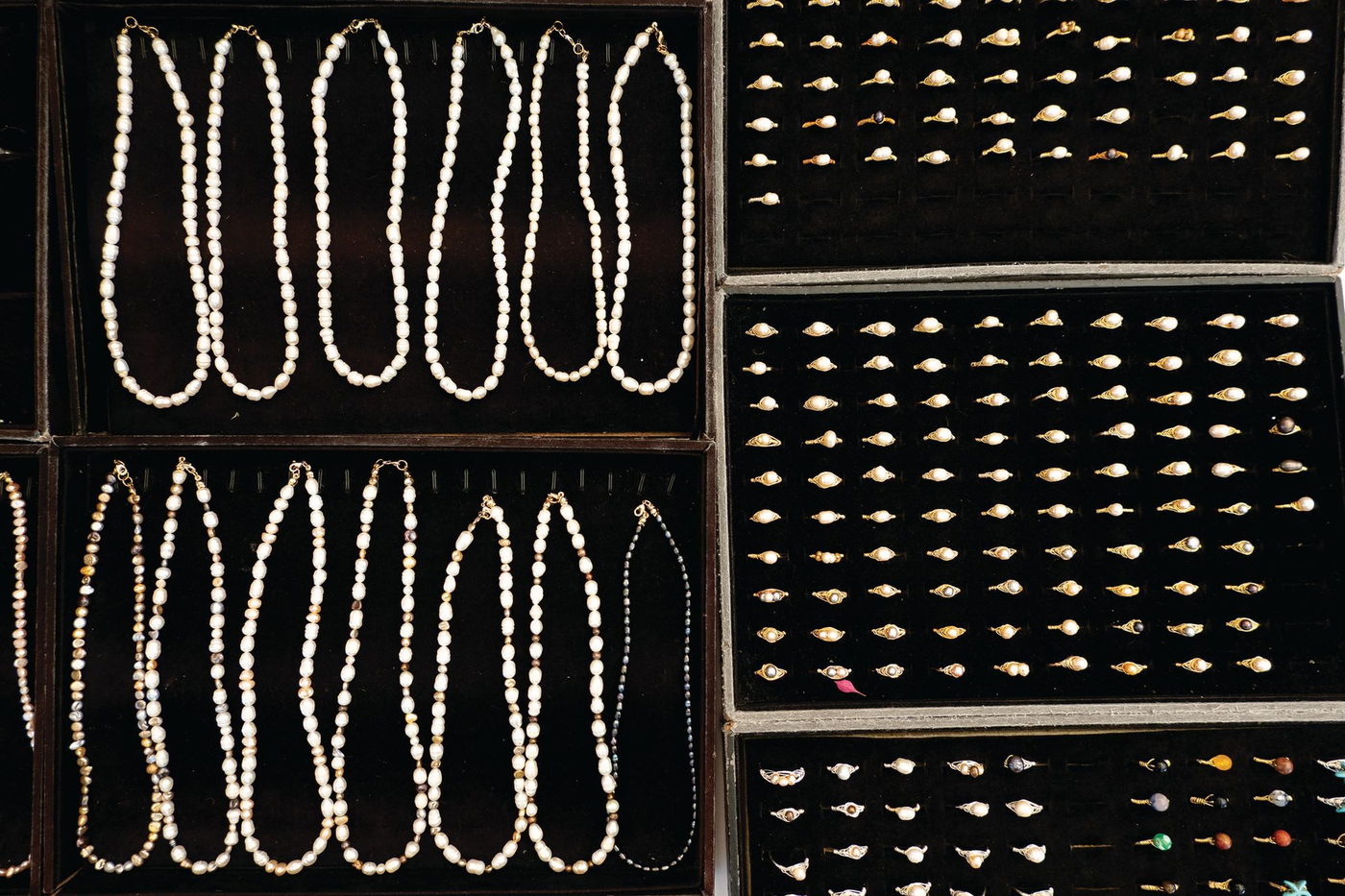
On a sunny afternoon in Casco Antiguo, Panama City's historic district, a variety of handmade jewelry with beautiful shining pearls stands out on craftpeople's tables. Most artisans claim that the pearls come from the Las Perlas Archipelago in Panama - also known as the Pearl Islands. However, their pearl jewelry seems surprisingly affordable for pieces made with natural ocean pearls. Do the shining pearls actually come from the turquoise waters of this Pacific Ocean archipelago?

In a recently published paper in the journal Philosophical Transactions of the Royal Society, scientists at STRI found that for over 16,000 years, marine resources played a consistent and significant role in human livelihoods on the Central American Isthmus of Panama. This highly collaborative research highlights the long-standing connection between the inhabitants of the Isthmus and the Pacific Ocean, supported by extensive archaeological evidence and exemplified by three case studies. Among these is the case study of pearl oyster extraction in Panama, documented by STRI fellow Erin Dillon and STRI intern Irene García, as part of the broader investigation.

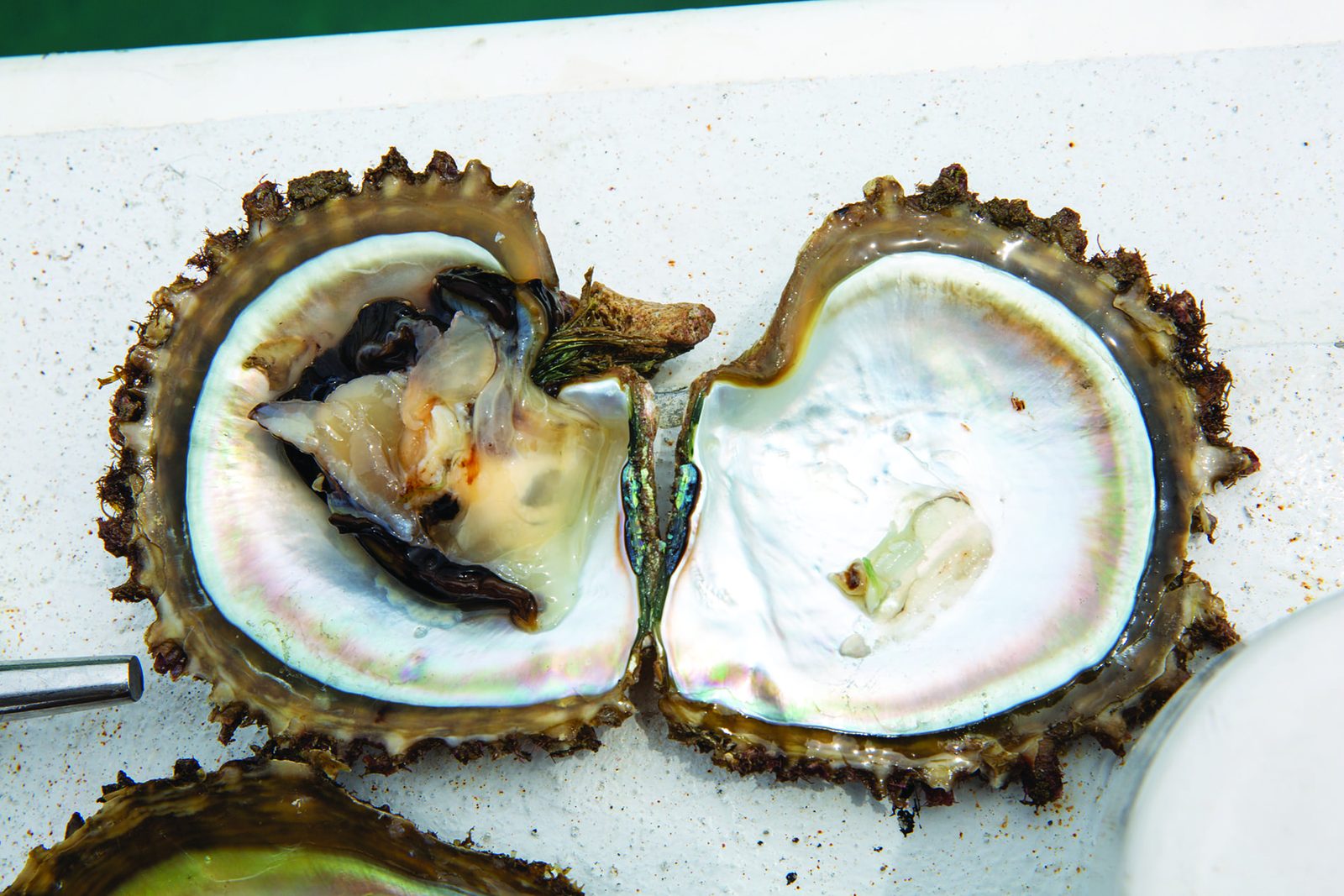
In the Pacific, pearls come from the mother-of-pearl oysters (Pinctata mazatlanica), known in Spanish as Madreperla. They can be found from Mexico to Peru in rocky substrates and coral reefs down to about 20 meters depth. When a foreign particle, such as a sand grain, enters the oyster's mantle cavity, it is gradually covered in layers of nacre, ultimately forming a pearl. The amount of time it takes to produce a marketable pearl varies widely, and the chances of finding an oyster with a pearl are unpredictable. The abundance of pearls found in the Pearl Islands during the arrival of the Spanish colonizers in the 16th century led them to rename the archipelago, formerly called Terarequi by the local Indigenous communities, Las Perlas.


"Madreperla oysters were the first marine resource to become extinct due to overharvesting in the 20th century."

Stanley Heckadon-Moreno

Former STRI Staff Scientist, historian and anthropologist


"The use of Madreperla oysters by local people before Spanish colonization in 1501 was centered around food, and they used the surplus - nacre and pearls - to decorate their clothing, for jewelry, or even to exchange it with other communities," explained García. But when the Spanish arrived in Panama, things changed. "For Europeans at that time, pearls were a symbol of the elite; they were used by the clergy, the monarchy and the royalty... they were a symbol of status, and the Spanish Crown demanded pearls as tax payments", García added. Rapidly, the introduction of international trade by the Spanish brought a paradigm shift: pearls were harvested for economic profit rather than solely for cultural and subsistence purposes.

In just a few decades, pearl oyster exploitation in Panama intensified with the commercialization of the pearl industry in the 1520s. Pearl extraction grew so rapidly that, by 1570, the first documented decline of the Madreperla oyster population was recorded. Extraction was made by expert Indigenous divers who were exploited by the Spanish, as they were forced to dive with rocks attached to their backs, which they left on the sea floor after collecting oysters in a basket. The oyster decline was accompanied by a decrease in the local Indigenous divers due to malnutrition, blindness, deafness and decompression sickness, which also resulted in an epistemicide: the local knowledge regarding pearl harvesting was suppressed. The Spanish Crown prohibited the use of enslaved Indigenous people, but they later used people of African descent for this job, who lacked the diving expertise of the local islanders. The Spanish Crown also responded to the oyster decline by banning pearl diving for ten years. This could have been a relief to oyster populations. However, even with the realization that oyster beds were fading, this measure was ignored, as pearls became increasingly valuable.

Mother-of-pearl oyster

In the Pacific Ocean, pearls come from the Panamanian pearl oyster (Pinctata mazatlanica), also known as mother of pearl. When a foreign particle, such as a sand grain enters the oyster's mantle cavity, it is gradually covered in layers of nacre, ultimately forming a pearl. The size of the pearl depends on the age and the size of the oyster, where older and bigger oysters likely produce bigger pearls. Photo: Ana Endara.

During this time, pearls from the Pearl Islands became internationally renowned because of their beauty, striking appearance, and large size. "Unlike other parts of the world where pearls were also extracted, the nutrient-rich and highly productive Gulf of Panama and its seasonal upwelling probably had the capacity to sustain abundant and mature oyster beds. And, bigger and older oysters produce bigger pearls," explained García. For example, one pearl stood out because of its size and quality: it weighed around 31 carats (almost 30 grams). Known as La Peregrina, and also as La Huérfana and La Sola, it became part of the Spanish Crown Jewels in 1580. Following this, every conquistador sought to acquire a magnificent pearl from the Gulf of Panama. The pearl was later owned by famous actresses and collectors and auctioned for US$11 million in the 2010s.

Public programs and educational outreach are an essential part of STRI's mission of diffusing knowledge, by connecting people of all ages with STRI experts and educators to learn about tropical diversity and inspiring curiosity in future science leaders.

Biological sciences field course, 1986

The first generation of the biological sciences field course, best known as the Gigante course, in 1986. Named after the Gigante peninsula, part of the Barro Colorado Natural Monument, the longest running field course in STRI's history has trained many of the most well-recognized biologists in Panama.

Children observing specimens at STRI
Children from El Chorrillo in a science activity by the water

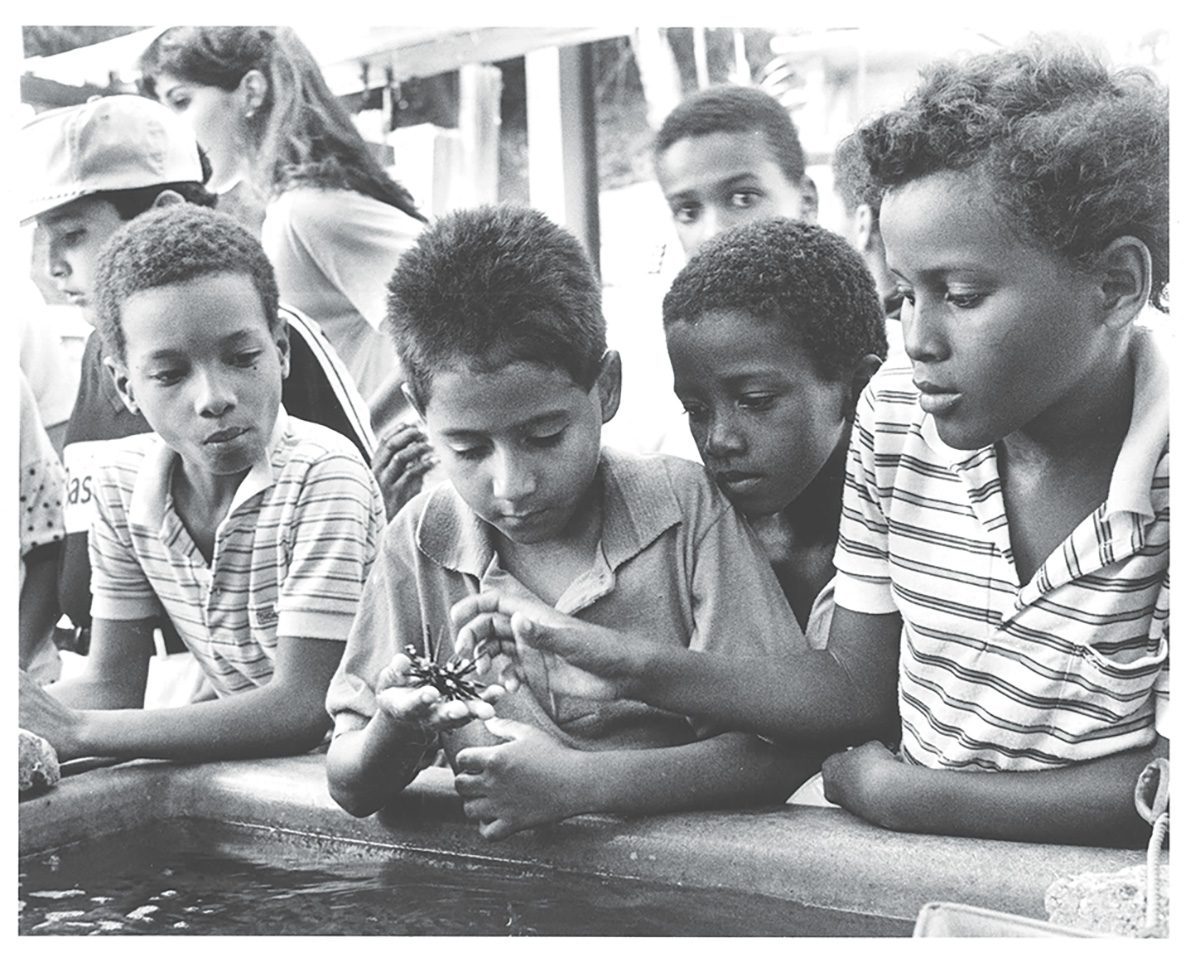
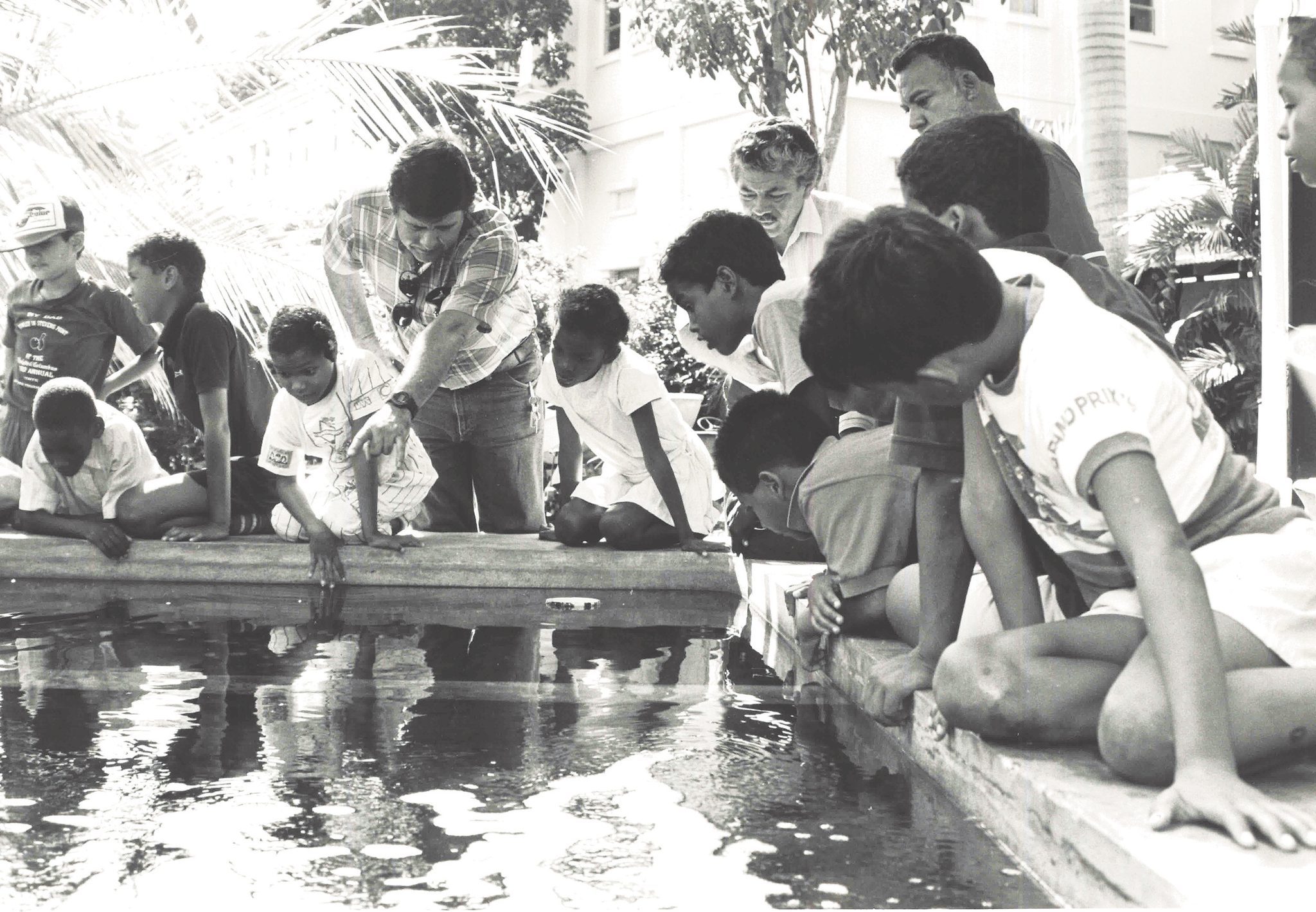
Shortly after the US invasion of Panama in 1989, children from El Chorrillo visited STRI facilities, including Naos research station and Barro Colorado research station, in early 1990. They explored the living laboratories and connected with STRI scientists and volunteers, as part of a visitor program launched by STRI staff Arcadio Rodaniche, Argelis Ruiz, Leonor Motta, Georgina De Alba and others. This program was the starting point for STRI's educational programs and the Punta Culebra Nature Center.

A Legacy for Future Generations

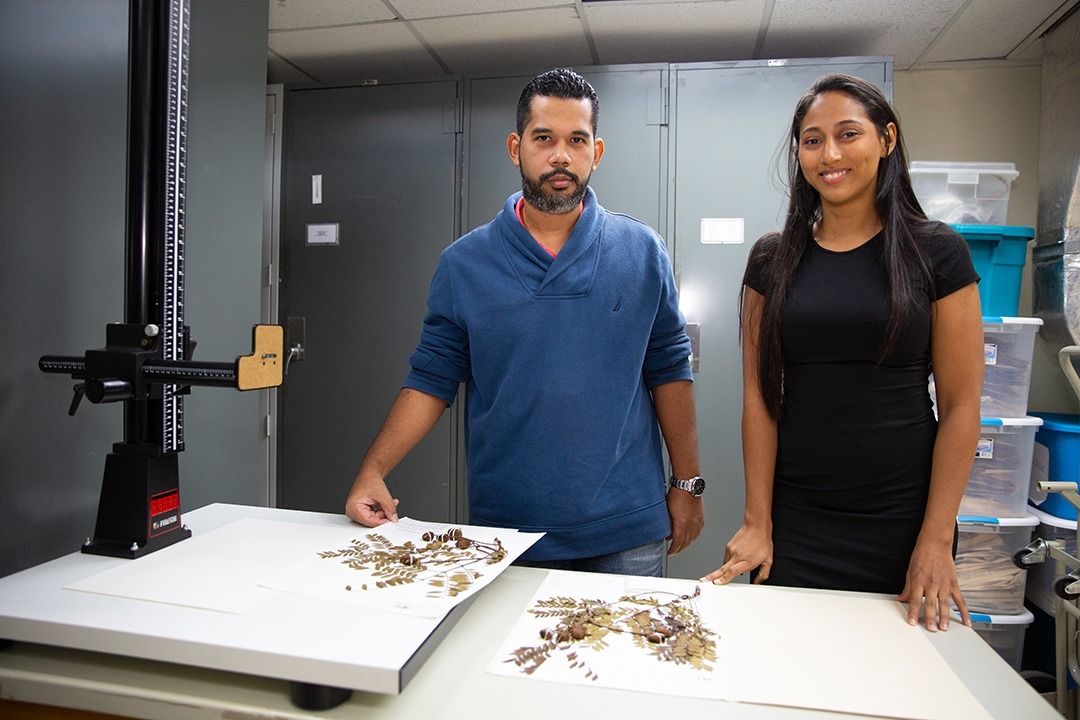
Panama's forests are a treasure trove of biodiversity. With around 224 plant families and over 10,000 species of vascular plants—and counting—the list keeps growing every year. The first step in understanding this incredible diversity is identifying each species, a task that helps scientists track forest dynamics and resilience in a rapidly changing world.

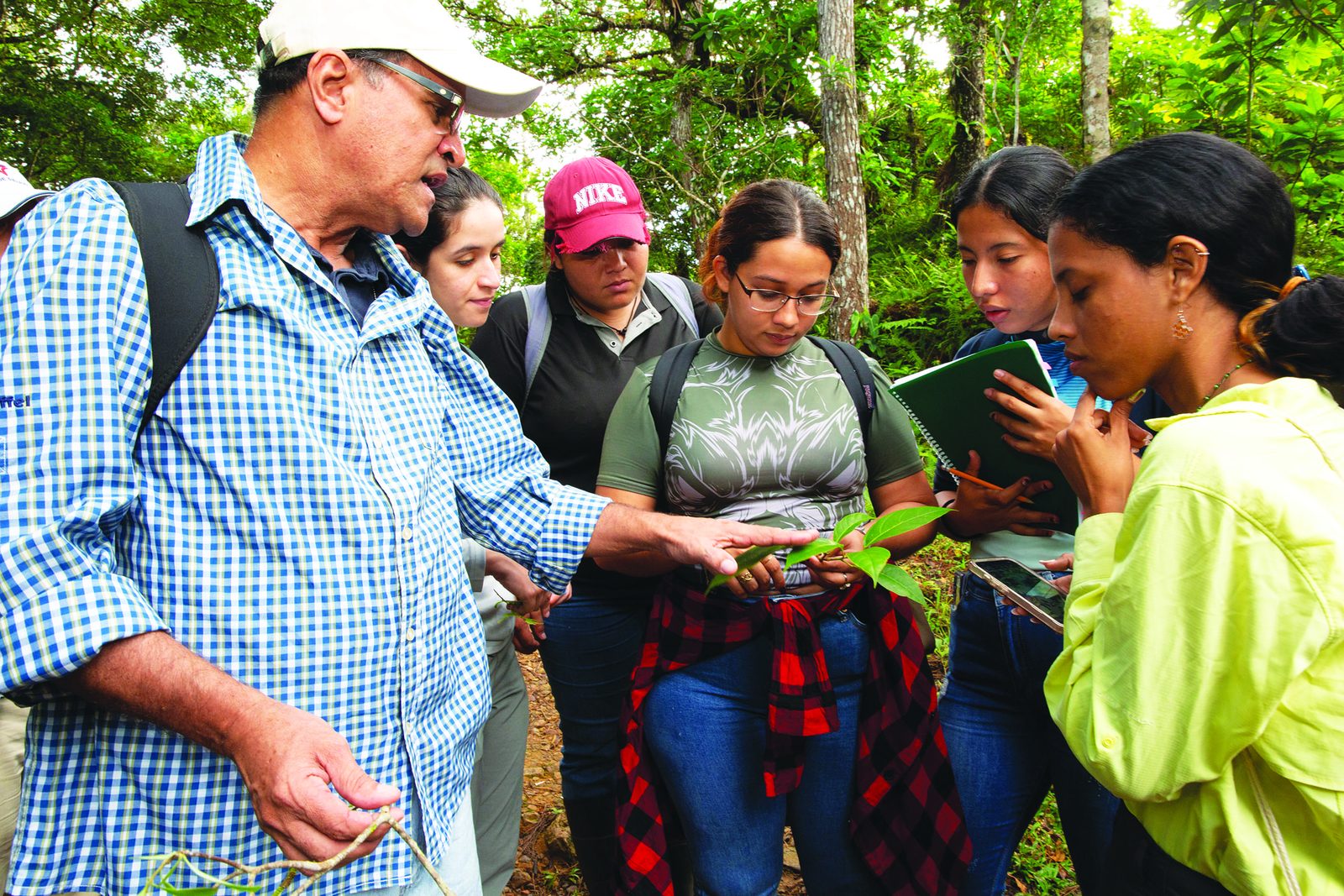
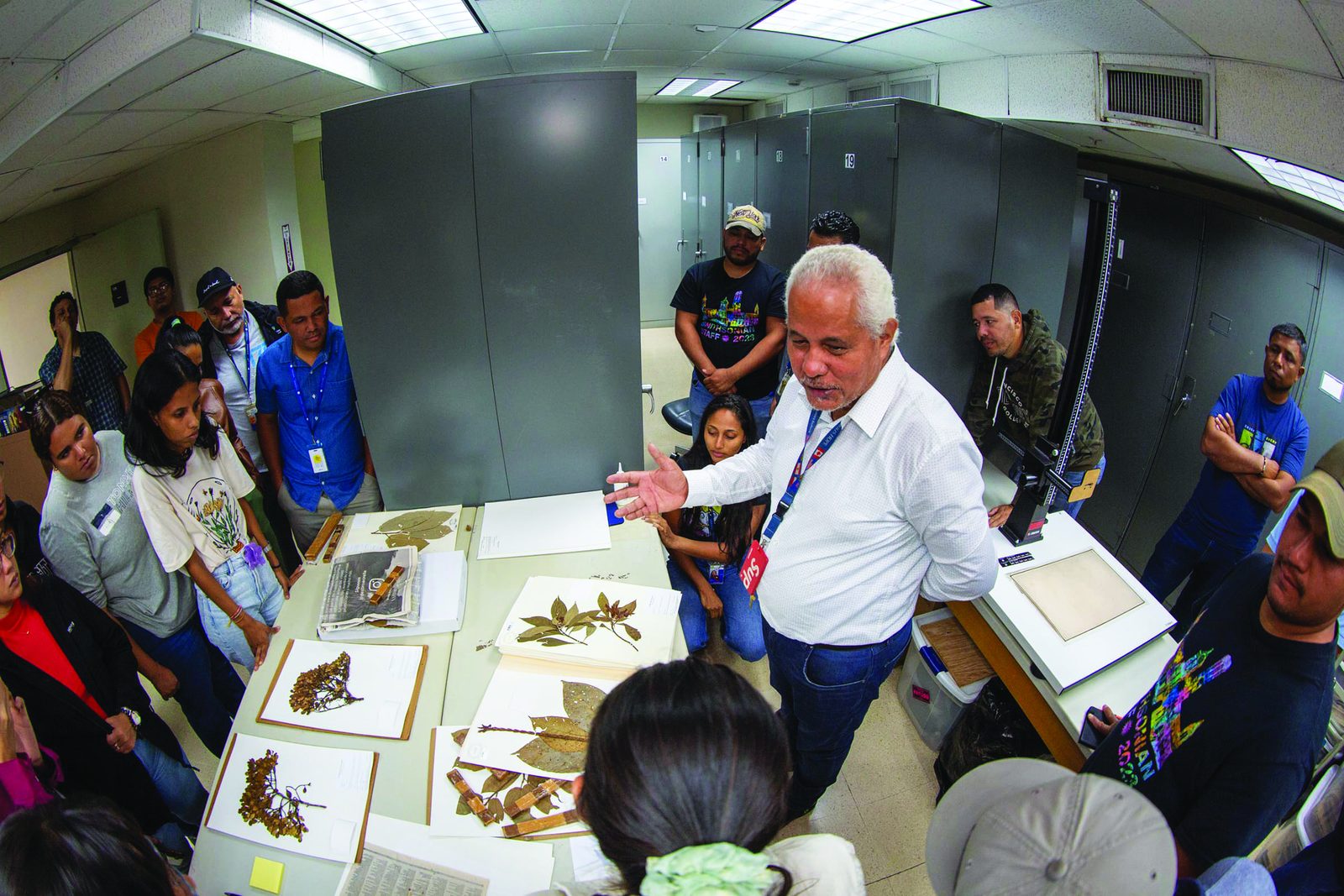
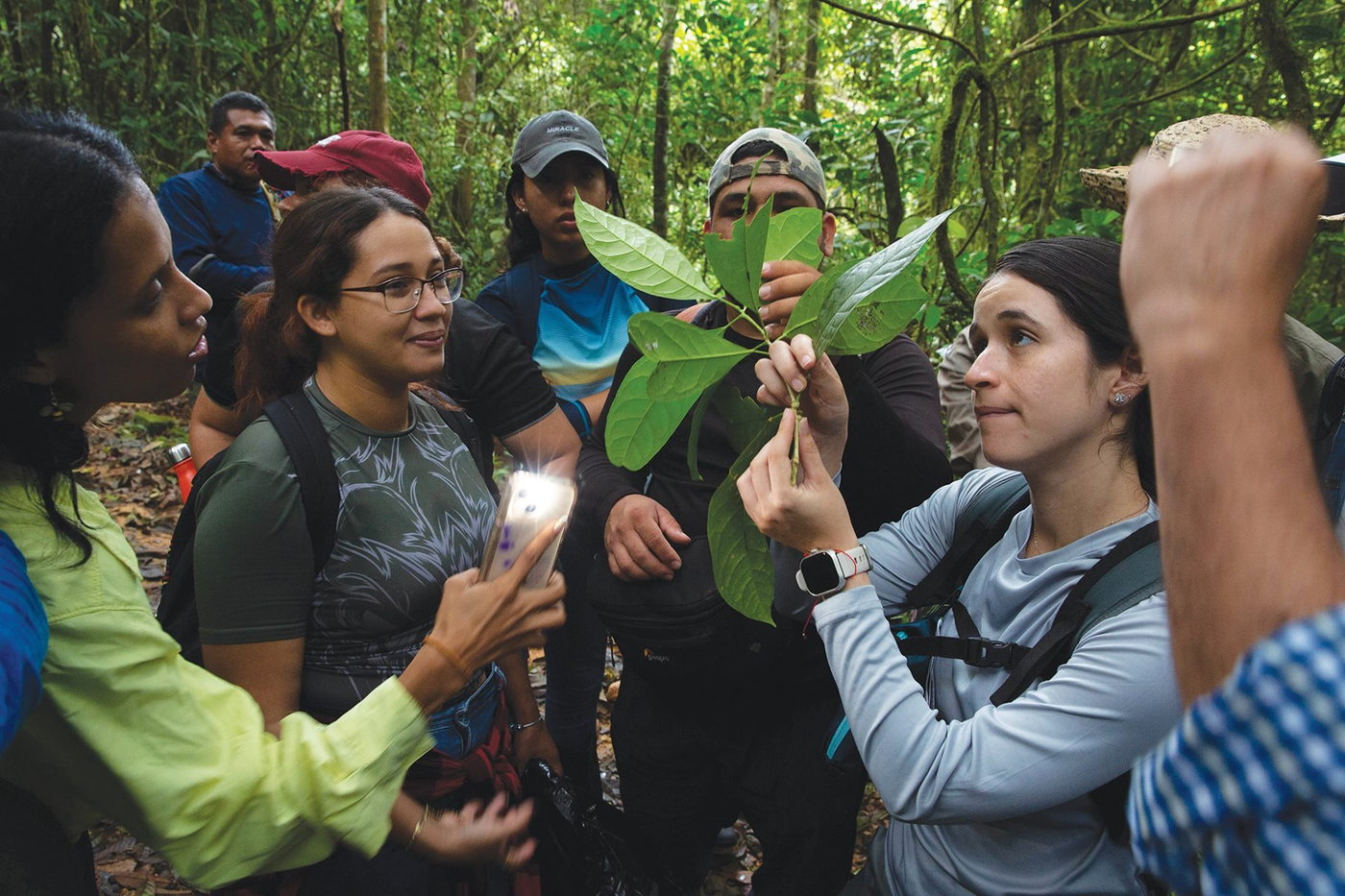
ForestGEO research technicians Salomon Aguilar and Rolando Perez are the go-to experts of dendrology—the science of identifying and classifying woody plants. Their expertise is the result of decades of practice and mentorship under renowned STRI researchers like Robin Foster, Stephen Hubbell, Richard Condit, and the late Panamanian botanist Mireya Correa, resulting in 40 years' worth of knowledge and experience on what plant biodiversity reveals about forests.

With this expertise, Aguilar and Perez have trained experts across the Smithsonian and forest monitoring plots worldwide. Today, they lead an annual dendrology course in Panama, passing on these skills to the next generation of scientists—ensuring that this vital knowledge continues to grow.